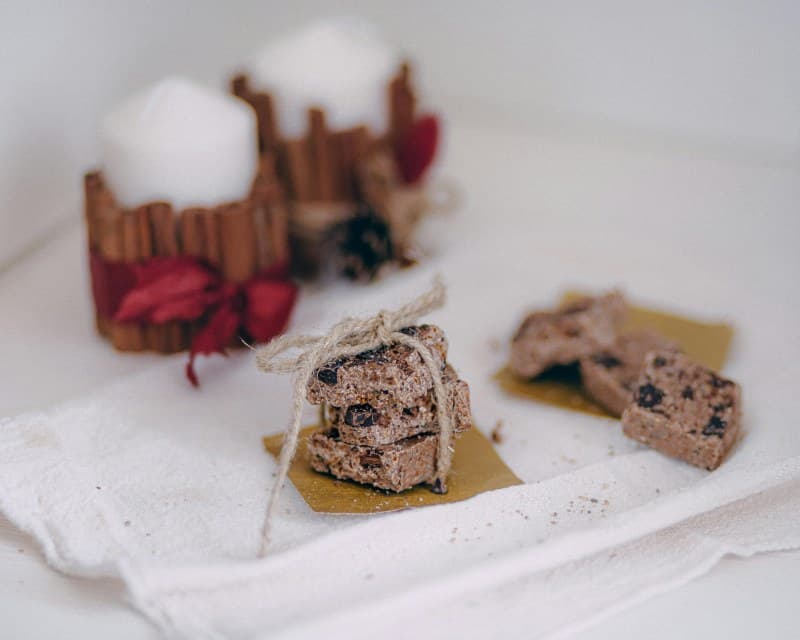
Last weekend, I tried to make chocolate chip cookies for my niece’s birthday. I followed the recipe to the letter, but they came out flat as pancakes and tasted burnt on the edges. I was so frustrated until I realized I’d made a few tiny mistakes that threw everything off. If you’ve ever had cookies that are too dense, chewy, or just plain wrong, you’re not alone. Let’s break down the 6 most common mistakes that ruin cookie texture—and how to fix them fast.
6 Key Mistakes That Ruin Homemade Cookie Texture
1. Using the Wrong Butter Temperature
Softened butter (room temp, 65°F/18°C) is key for creaming with sugar to trap air. If it’s too cold, you can’t cream it properly—cookies will be dense. If it’s melted, the dough spreads too much—flat cookies. Fix: Let butter sit out for 30-60 mins, or microwave in 5-second bursts until it’s just soft (not liquid).
2. Overmixing the Dough
Overmixing activates gluten in the flour, making cookies tough. Mix until ingredients are just combined—don’t keep going once you see no more flour streaks. Fix: Use a wooden spoon or hand mixer on low speed, and stop as soon as the dough comes together.
3. Skipping Chilling the Dough
Chilling the dough slows down spread by solidifying the butter. Without it, cookies spread too much in the oven. Fix: Chill for at least 30 mins (or up to 3 days for deeper flavor).
4. Using the Wrong Flour Type
All-purpose flour is standard, but cake flour (lower protein) makes fluffier cookies, while bread flour (higher protein) makes chewier ones. Using the wrong type throws texture off. Fix: Check the recipe—if it calls for AP, don’t substitute without adjusting.
5. Baking at the Wrong Temperature
Too high: Cookies burn on edges, undercooked inside. Too low: They spread too much and get soggy. Fix: Preheat oven to exact temp (use an oven thermometer—many ovens are off by 25°F!).
6. Overbaking
Cookies continue to cook after you take them out (carryover cooking). If you wait until they’re golden brown all over, they’ll be dry. Fix: Take them out when edges are golden, centers are still soft.
How to Get Your Desired Cookie Texture: A Quick Comparison
Want fluffy, chewy, or crispy cookies? Here’s how to adjust your approach for each texture:
| Texture | Key Adjustments |
|---|---|
| Fluffy | Use cake flour, cream butter & sugar longer, chill dough, bake at 375°F. |
| Chewy | Use brown sugar (more moisture), bread flour, less baking soda, chill dough. |
| Crispy | Use white sugar, melted butter, thin dough, bake at 400°F, let cool on tray. |
A Word From the Pros
“Baking is a science, but it’s also an art. You have to know the rules to break them.” — Julia Child
This quote sums up cookie baking perfectly. Once you understand the common mistakes, you can experiment—like adding a pinch of salt to enhance sweetness or swapping chocolate chips for nuts. The rules are there to guide you, not restrict you.
Common Q&A
Q: Can I substitute margarine for butter in cookies?
A: Margarine has more water than butter, so it can make cookies spread more and taste less rich. If you must substitute, use a stick margarine (not tub) and add 1 tsp of salt to balance the flavor.
Next time you bake cookies, keep these mistakes in mind. Even small tweaks—like chilling the dough or stopping the mixer earlier—can make a huge difference. Don’t get discouraged if your first batch isn’t perfect; baking is all about practice. Happy baking! 🍪