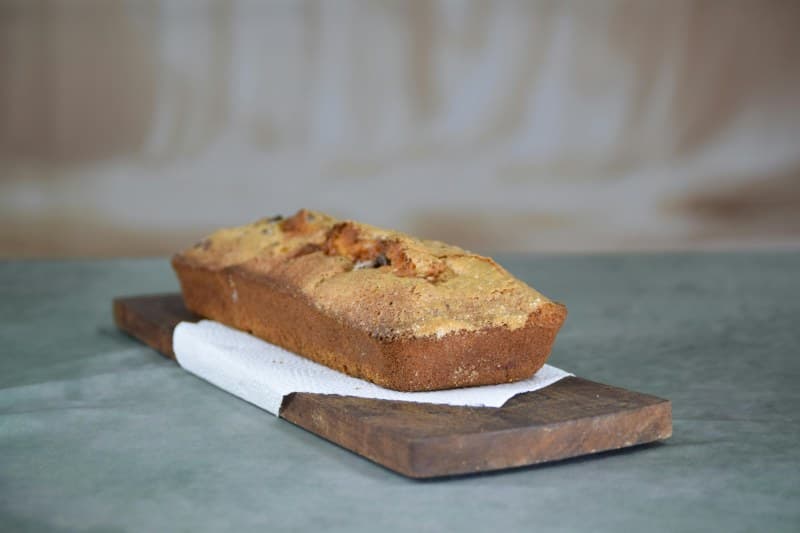
Last year, I spent an afternoon whipping up a vanilla layer cake for my sister’s 30th birthday. I measured every ingredient precisely, followed the recipe step by step… and ended up with a dense, brick-like mess that tasted more like pound cake gone wrong. I was mortified. But after some research and a few more tries, I learned the small mistakes that can ruin even the best cake recipe. Today, let’s break down the 6 most common reasons your homemade cake might not turn out fluffy—and how to fix them.
6 Key Reasons Your Cake Isn’t Fluffy (And Fixes)
Let’s get straight to the issues. Here’s a quick comparison of what might be going wrong and how to fix it:
| Issue | Cause | Easy Fix |
|---|---|---|
| Dense, heavy texture | Overmixing the batter (develops too much gluten) | Mix until flour just disappears—no more! |
| Flat, sunken top | Expired baking powder/soda or oven door opened too early | Check expiration dates; don’t open oven for first 20 mins |
| Crumbly, dry cake | Not enough fat (butter/oil) or liquid (milk/water) | Add 1 tbsp extra butter or milk next time |
| Gummy, undercooked center | Oven temp too low or baking time too short | Use a toothpick test (should come out clean with a few crumbs) |
| Cracked top | Oven temp too high or overmixing | Lower oven temp by 25°F (15°C) and mix gently |
| Soggy bottom | Undercooked or too much liquid in batter | Place a baking sheet under the pan; reduce liquid by 2 tbsp |
Why These Fixes Work
Let’s dive a little deeper into one of the most common issues: overmixing. When you mix flour with liquid, gluten forms. A little gluten is good for structure, but too much makes the cake tough. That’s why recipes always say “mix until just combined”—stop as soon as you can’t see any dry flour. I learned this the hard way with my sister’s cake: I kept mixing until the batter was smooth, but that’s exactly what caused the density.
“A party without cake is just a meeting.” — Julia Child
Julia Child knew that cake is more than just food—it’s joy. And even if your first few tries don’t go perfectly, don’t give up. Every mistake is a chance to learn.
Common Q&A
Q: Can I fix a dense cake after it’s already baked?
A: Yes! If it’s not too bad, you can turn it into cake pops or trifle. Crumble the cake, mix with frosting, roll into balls for pops, or layer with fruit and cream for trifle. It’s a great way to salvage a “failed” cake.
Final Tips for Fluffy Cakes
To sum up, remember these quick rules:
1. Measure ingredients accurately (use a scale if possible).
2. Don’t overmix the batter.
3. Check your baking powder/soda expiration date.
4. Don’t open the oven door too early.
5. Use the toothpick test to check doneness.
Next time you bake a cake, keep these tips in mind. You’ll be surprised how small changes can make a big difference. Happy baking! 🎂