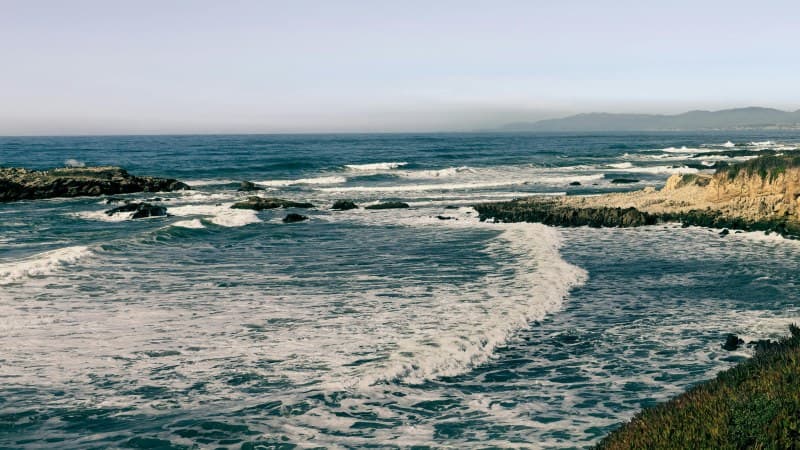
Last summer, I visited a tiny coastal town in Portugal. I stuck to the main square, ate at the first seafood joint with a neon sign, and left feeling like I’d just skimmed the surface. Later, a local barista told me about a hidden cove where fishermen sold fresh grilled sardines at sunset—no menus, just paper plates and laughter. I realized I’d fallen for a handful of common myths that keep travelers from truly connecting with coastal communities.
5 Myths About Hidden Coastal Experiences (And The Truth)
Myth 1: Hidden spots are only for locals
Many travelers think locals guard their favorite spots like secrets. But in my Portugal trip, the fisherman at the cove was thrilled to share his spot—he even gave me a free sardine when I asked about his day. Most locals love introducing visitors to places that matter to them; you just have to ask politely.
Myth 2: You need to spend a lot for authentic experiences
Hidden gems don’t have to break the bank. The cove sardine spot cost me 5 euros for a plate, way less than the tourist restaurant. Other budget-friendly hidden experiences: joining a local beach cleanup (free), browsing a weekly fish market (affordable snacks), or walking a cliffside path that’s not in guidebooks (free).
Myth 3: Hidden spots are always far from town
I assumed the cove was miles away, but it was a 10-minute walk from the main strip—down a narrow alley I’d ignored. Many coastal towns hide their best spots just off the beaten path: a tiny bookstore in a back lane, a family-run bakery with no sign, or a quiet beach access between two hotels.
Myth 4: You have to plan ahead to find them
Some of my best coastal finds came from wandering without a map. In Greece, I got lost looking for a souvenir shop and stumbled on a grandmother selling homemade olive oil from her porch. Spontaneity often leads to the most memorable hidden experiences.
Myth 5: All hidden coastal spots are beaches
Beaches are great, but coastal towns have more to offer. In Spain, I found a pottery workshop run by a local family where I learned to make a small ceramic bowl. In Maine, a retired lobsterman gave me a tour of his boat—no charge, just a chance to share his story.
Tourist Trap vs. Hidden Spot: A Quick Comparison
Wondering how to tell the difference between a tourist trap and a hidden gem? Here’s a breakdown:
| Category | Tourist Trap | Hidden Spot |
|---|---|---|
| Cost | High (marked up for visitors) | Low/affordable (local pricing) |
| Crowd Size | Packed with tourists | Quiet, mostly locals |
| Cultural Immersion | Surface-level (generic menus, souvenir shops) | Deep (local stories, traditional practices) |
| Memorable Factor | Generic (same as other tourist spots) | Unique (one-of-a-kind stories or experiences) |
Practical Tips To Uncover Hidden Gems
Ready to find your own coastal hidden spots? Try these:
- Ask locals: Start with baristas, shop owners, or fishermen—they know the best spots.
- Wander off the main strip: Take a side alley or a path that looks less traveled.
- Skip the guidebook: Guidebooks often highlight tourist traps; local blogs or social media (like Instagram hashtags for the town) can lead to hidden gems.
“The world is a book, and those who do not travel read only one page.” — Saint Augustine
This quote reminds us that travel isn’t just about seeing places—it’s about diving into their stories. Hidden coastal experiences let you read more pages of the town’s book.
FAQ: Your Coastal Travel Questions Answered
Q: Do I need to speak the local language to find hidden spots?
A: No, but small gestures go a long way. Learning basic phrases like “hello” or “thank you” shows respect, and many locals will help even if you don’t speak their language. Pointing to a photo of a beach or asking “where do locals eat?” can lead to great recommendations.
Q: Are hidden spots safe for solo travelers?
A: Most hidden spots are safe, but use common sense. Avoid isolated areas at night, and let someone know where you’re going. Locals can also tell you which spots are safe for solo visitors.
Next time you visit a coastal town, skip the obvious and look for the hidden. You’ll leave with stories (and maybe a free sardine) that you’ll remember for years.