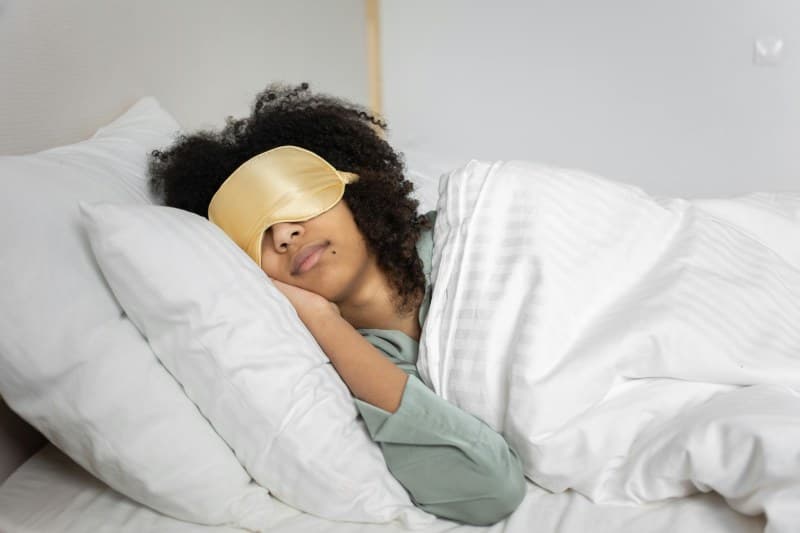
Let’s be real—we’ve all been there: you cut off caffeine at 2 PM, put on your comfiest pajamas, and climb into bed… only to stare at the ceiling for an hour. Sarah, a high school teacher, had this problem for months. She tried everything—herbal tea, white noise machines, even avoiding screens an hour before bed. But it wasn’t until she checked her room temperature (a toasty 75°F) and moved her phone to the living room that she finally started sleeping through the night. Turns out, some sleep disruptors are easier to miss than you think.
4 Hidden Factors Ruining Your Sleep Quality
It’s not just caffeine or late-night snacks that mess with your rest. These four often-overlooked factors can quietly sabotage your sleep quality:
1. Blue Light Exposure Too Close to Bed
You know screens emit blue light, but did you know even 10 minutes of scrolling 30 minutes before bed can suppress melatonin (the sleep hormone) by up to 20%? Sarah’s mistake? Her phone was on her nightstand, and she’d check it for texts right before turning off the light.
2. Irregular Sleep Schedule (Even Weekends)
Staying up an hour later on Friday and sleeping in two hours on Saturday might feel like a treat, but it throws off your body’s circadian rhythm. This “social jetlag” makes it harder to fall asleep on Sunday nights and wake up on Monday mornings.
3. Room Temperature That’s Too Warm or Cold
Your body needs to drop its core temperature by about 1-2°F to fall asleep. A room that’s too warm (above 72°F) or too cold (below 60°F) can prevent this from happening. Sarah’s 75°F room was the main culprit for her tossing and turning.
4. Hidden Noise You Don’t Notice
Distant traffic, a partner’s quiet snoring, or even a ticking clock you’ve tuned out can disrupt your deep sleep stages. You might not wake up fully, but these micro-awakenings leave you feeling groggy in the morning.
Compare the Disruptors: Impact & Fixes
Here’s a quick breakdown of each factor, how much it affects your sleep, and easy fixes:
| Factor | Impact Level | Quick Fix |
|---|---|---|
| Blue Light Exposure | High | Move devices out of the bedroom or use blue light filters 1 hour before bed. |
| Irregular Schedule | Medium | Stick to the same sleep/wake time (within 30 mins) every day, even weekends. |
| Room Temperature | High | Set your thermostat to 65-68°F (18-20°C) for optimal sleep. |
| Hidden Noise | Medium | Use a white noise machine or earplugs to mask background sounds. |
Wisdom to Sleep By
“We are what we repeatedly do. Excellence, then, is not an act, but a habit.” — Aristotle
This quote applies perfectly to sleep. Small, consistent changes (like keeping your room cool or sticking to a schedule) are more effective than one-time fixes. Sarah started setting her thermostat to 67°F and moving her phone to the living room every night—within a week, she was falling asleep in 15 minutes instead of an hour.
FAQ: Common Sleep Quality Question
Q: I sleep 8 hours every night but still feel tired. Why?
A: Quantity doesn’t equal quality. If you’re waking up groggy, check if any of the 4 hidden factors are disrupting your deep sleep. For example, hidden noise might be causing micro-awakenings you don’t remember, or your room is too warm to let you enter deep sleep stages.
Final Thoughts
Sleep quality isn’t about being perfect—it’s about noticing the small things that add up. Next time you can’t fall asleep, ask yourself: Is my room too warm? Did I check my phone right before bed? Making one small change tonight could lead to a more restful tomorrow.