Last month, my friend Lila spent $30 on a fancy hair mask, then followed it up with her usual deep conditioner. She was confused when her hair still felt dry by mid-week. ‘Did I waste my money?’ she asked. If you’ve ever mixed up these two treatments, you’re not alone. Let’s break down the differences between hair masks and deep conditioners, so you can get the most out of your hair care routine.
What Are These Treatments, Exactly?
Hair Masks: The Intensive Boost 💆♀️
Hair masks are like a spa day for your hair. They’re packed with concentrated ingredients (think argan oil, shea butter, or keratin) designed to repair damage, hydrate deeply, and strengthen strands. They’re meant to be left on for 10-30 minutes (sometimes longer) to let the ingredients penetrate the hair cuticle. For example, a keratin mask can help smooth frizz and repair split ends from heat styling.
Deep Conditioners: The Daily Hero ✨
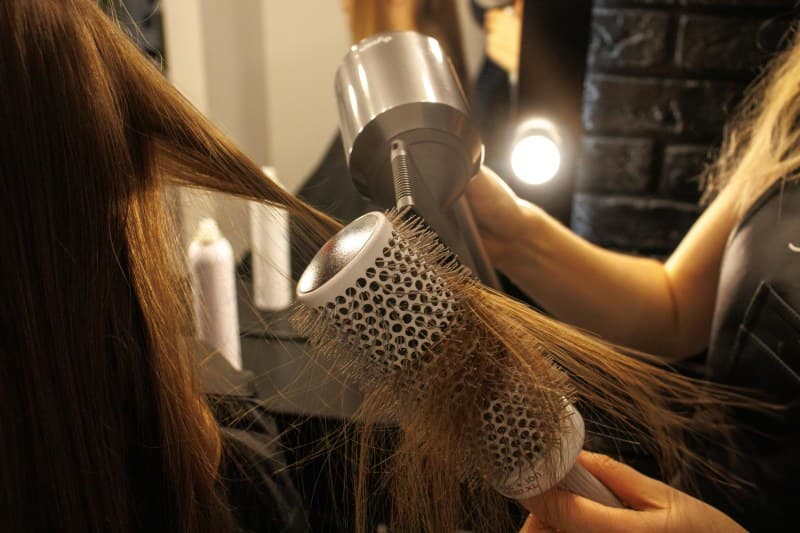
Deep conditioners are lighter than masks but still more nourishing than regular conditioners. They focus on immediate hydration and detangling, making them perfect for post-shampoo care. Most take 2-5 minutes to work, so they’re great for busy mornings. A protein-rich deep conditioner, for instance, can help add volume to fine hair without weighing it down.
Side-by-Side: Hair Mask vs Deep Conditioner
Let’s compare the key features to help you decide:
| Feature | Hair Mask | Deep Conditioner |
|---|---|---|
| Primary Purpose | Repair damage, deep hydration, strengthen | Immediate hydration, detangling, softness |
| Application Time | 10-30 minutes | 2-5 minutes |
| Frequency | 1-2 times per week | 2-3 times per week (or every wash) |
| Best For | Dry, damaged, colored, or curly hair | All hair types, especially frizzy or tangled hair |
| Texture | Thick, creamy, or paste-like | Lighter, creamier than masks |
When to Use Which?
Let’s take Lila’s case: she has colored, dry hair from frequent heat styling. She should use a hair mask once a week to repair damage, and a deep conditioner on other wash days to maintain hydration. Another example: my cousin, who has fine, frizzy hair, uses a deep conditioner every wash to detangle and add softness, and a lightweight mask once every two weeks to boost strength without weighing her hair down.
A Classic Tip for Hair Care
“The secret to great hair is not just what you put on it, but how consistently you care for it.” — Vidal Sassoon
This quote rings true for both masks and deep conditioners. Consistency is key—using a mask once and expecting miracles won’t work. Stick to a routine that fits your hair type, and you’ll see results over time.
FAQ: Your Questions Answered
Q: Can I use both a hair mask and deep conditioner in the same wash?
A: Yes! For extra nourishment, apply the deep conditioner first (to detangle and prep hair) then follow with a hair mask. Leave the mask on for 15 minutes, then rinse. This works well for extremely dry or damaged hair.
Q: Do I need to use a regular conditioner if I use a deep conditioner?
A: No—deep conditioner replaces regular conditioner on the days you use it. It provides more hydration than a regular conditioner, so you don’t need both.
At the end of the day, the best treatment depends on your hair’s needs. Whether you reach for a mask or deep conditioner, remember to listen to your hair. If it feels dry, add a mask to your routine. If it’s tangled, grab a deep conditioner. With a little trial and error, you’ll find the perfect balance for your locks.