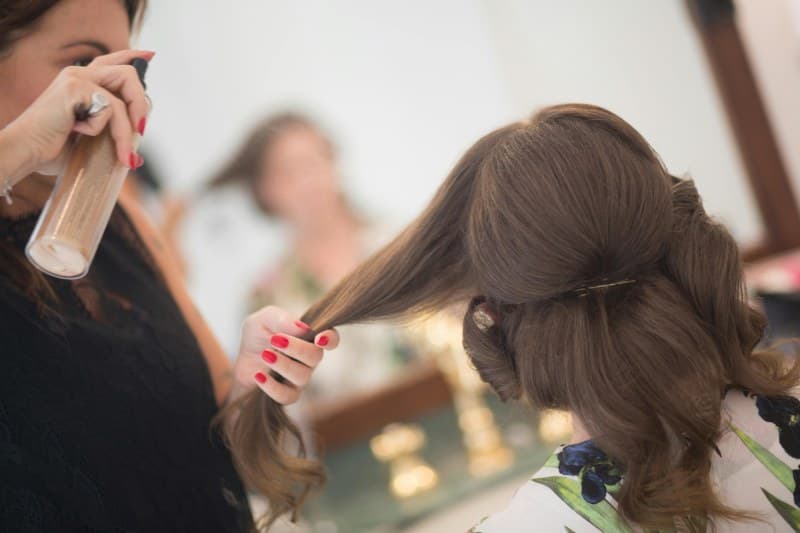
Last month, my cousin Lila texted me panicking: her once soft, wavy hair had turned frizzy and brittle, with split ends that wouldn’t go away. She’d been following a “strict” hair care routine—washing daily with a strong sulfate shampoo, skipping conditioner to “avoid greasiness,” and using a straightener every morning without any protectant. Sound familiar? If you’re new to hair care, it’s easy to fall into these common traps.
6 Key Hair Care Mistakes Beginners Make (And How to Fix Them)
Let’s break down the most frequent missteps and their simple solutions. Here’s a quick comparison to keep handy:
| Mistake | Why It Hurts Your Hair | Easy Fix |
|---|---|---|
| Overwashing daily | Strips natural oils that keep hair moisturized and shiny. | Wash 2-3 times a week (adjust based on hair type: oily hair may need 3-4). |
| Using hot water | Opens cuticles, leading to frizz and color fading (if dyed). | Rinse with lukewarm water; finish with a cold rinse to seal cuticles. |
| Skipping conditioner | Leaves hair dry, prone to breakage, and hard to detangle. | Use a conditioner matching your hair type (e.g., hydrating for dry hair). |
| Brushing wet hair | Wet hair is 3x more fragile—brushing causes split ends and breakage. | Use a wide-tooth comb to detangle from ends to roots. |
| Heat tools without protectant | High heat damages hair proteins, leading to split ends and dullness. | Apply a heat protectant spray before using straighteners or curlers. |
| Ignoring split ends | Split ends travel up the hair shaft, causing more damage. | Trim every 6-8 weeks (even a 1/4 inch helps). |
Debunking a Common Hair Care Myth
One of the most persistent myths is: “Trimming your hair makes it grow faster.” Let’s set the record straight—your hair grows from the roots, not the ends. Trimming doesn’t speed up growth, but it does prevent split ends from breaking off, so your hair looks longer and healthier over time.
“An ounce of prevention is worth a pound of cure.” — Benjamin Franklin
This quote rings true here. Trimming split ends early (prevention) saves you from dealing with more severe damage later (cure). Lila learned this the hard way—she waited three months to trim her split ends, and by then, she had to cut off two inches instead of a quarter.
FAQ: A Common Question Newbies Ask
Q: How do I know if my hair is oily, dry, or combination?
A: Here’s a quick test: Wash your hair, then wait 24 hours. If your roots are greasy but ends are dry, it’s combination. If all hair feels greasy, it’s oily. If it feels dry and brittle all over, it’s dry. This helps you pick the right products (e.g., volumizing shampoo for oily hair, hydrating for dry).
Final Tips for Healthy Hair
Remember, hair care is personal—what works for your friend might not work for you. Start small: pick one mistake to fix this week (like adding conditioner) and see how your hair responds. Be patient—healthy hair takes time to grow and recover.
Lila now washes her hair three times a week, uses a hydrating conditioner, and trims every 7 weeks. Her hair is slowly getting back its softness and shine. You can do it too!