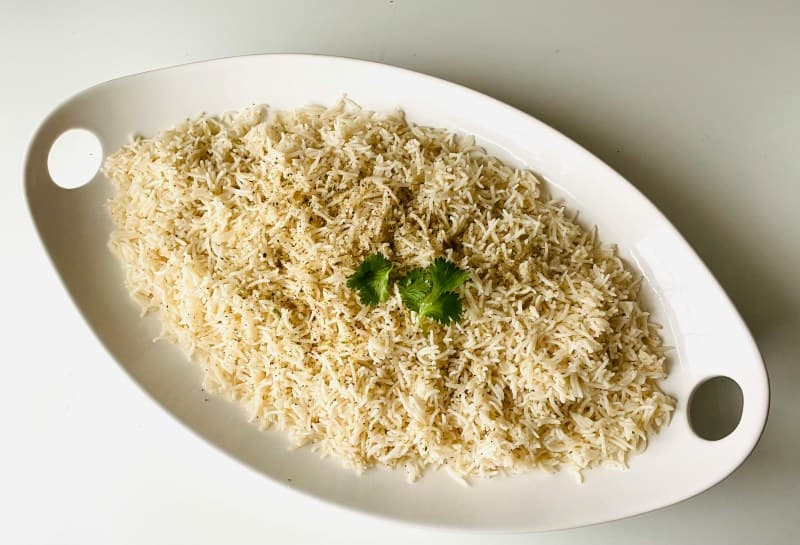
Last month, I tried to make coconut jasmine rice for a Thai dinner party. I followed a recipe that said to boil the rice and drain it—big mistake. The result? Clumpy, mushy grains that stuck to the plate instead of being light and fluffy. My friend, a Thai home cook, laughed and said I’d used the wrong method. That’s when I realized: cooking rice isn’t one-size-fits-all. There are two core techniques, each tailored to get the texture you want.
The Two Core Rice Cooking Methods 🍚
Stovetop Absorption Method (For Fluffy, Separate Grains)
This method is ideal for long-grain rice like jasmine or basmati, where you want each grain to stand alone. Here’s how to do it:
- Rinse the rice under cold water until the water runs clear (removes excess starch).
- Soak the rice for 15–30 minutes (optional but helps with even cooking).
- Add rice and water to a pot (ratio: 1 cup rice to 1.5 cups water for jasmine; 1:1.25 for basmati).
- Bring to a rolling boil, then reduce heat to low, cover tightly, and simmer for 15–20 minutes.
- Turn off the heat and let it rest for 10 minutes (don’t lift the lid—steam is key).
- Fluff with a fork before serving.
Steaming Method (For Sticky, Cohesive Grains)
Use this for glutinous (sticky) rice or sushi rice, where grains need to stick together. Steps:
- Soak the rice for 4–6 hours (critical—hydrates the grains so they steam evenly).
- Place the soaked rice in a bamboo steamer lined with cheesecloth or banana leaves.
- Set the steamer over a pot of boiling water (make sure the water doesn’t touch the rice).
- Steam for 20–25 minutes, checking occasionally to ensure the water doesn’t run out.
- Gently fluff with a spatula (be careful not to break the grains).
Fluffy vs Sticky Rice: A Quick Comparison
Not sure which method to use? Here’s a side-by-side look:
| Aspect | Absorption Method | Steaming Method |
|---|---|---|
| Ideal Rice Type | Jasmine, basmati, long-grain white | Glutinous (sticky), sushi rice |
| Water Ratio | ~1:1.25–1.5 (rice to water) | None (soaked then steamed) |
| Best For | Fried rice, coconut rice, side dishes | Sushi, mango sticky rice, dumpling fillings |
| Texture Result | Fluffy, separate grains | Sticky, cohesive, chewy |
Pro Tips to Avoid Common Rice Disasters 💡
- Don’t lift the lid: For absorption rice, opening the lid lets steam escape, leading to undercooked or uneven grains.
- Soak smart: Skip soaking for short-grain rice (like sushi) if you want extra stickiness, but always soak glutinous rice.
- Use the right pot: A heavy-bottomed pot with a tight-fitting lid retains heat better.
- Fluff gently: For sticky rice, use a spatula instead of a fork to avoid breaking grains.
FAQ: Common Rice Cooking Questions
Q: Do I have to rinse rice?
A: It depends. For fluffy rice, yes—rinsing removes starch that causes clumping. For sticky rice, some recipes skip rinsing to keep starch for cohesion, but a quick rinse can remove dirt.
Q: Can I use a rice cooker for both methods?
A: Most rice cookers use the absorption method, but some have a “steam” setting for sticky rice. Check your cooker’s manual—many have presets for different rice types.
“Rice is the staff of life.” – Chinese Proverb
This old saying reminds us how central rice is to global cuisines. Mastering these two methods means you can make everything from a perfect bowl of jasmine rice to a sweet mango sticky rice dessert—no more dinner party disasters.
After my coconut rice fail, I practiced the absorption method a few times. The next time I made it, the grains were light, fluffy, and infused with coconut flavor. My friends asked for the recipe, and I finally felt like a rice pro. The key? Choosing the right method for the texture you want.