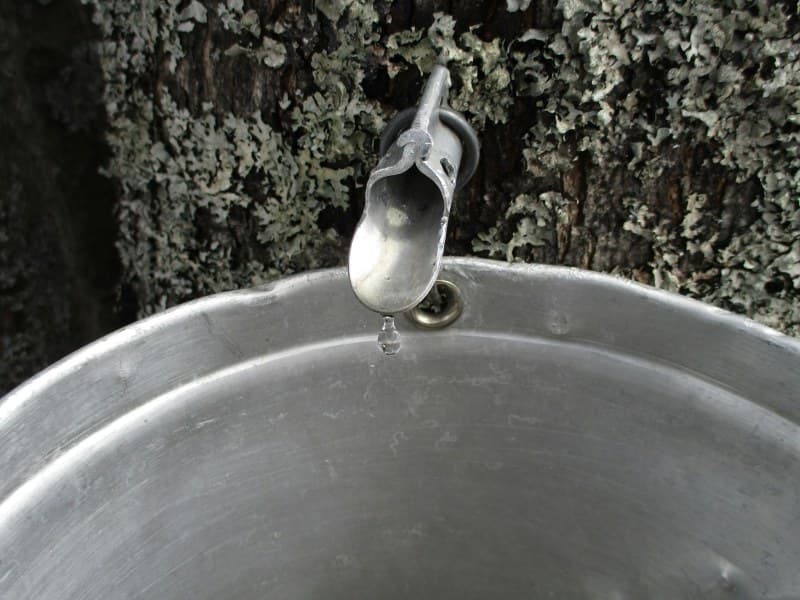
Last month, my neighbor Sarah noticed her bathroom faucet was dripping every few seconds. She brushed it off at first, thinking it was no big deal. But a week later, her water bill jumped by $15—all from that tiny drip. That’s when she decided to try fixing it herself. If you’ve got a leaky faucet, you don’t have to call a plumber right away. Let’s break down the two most common fixes.
Why Fixing a Leaky Faucet Matters
A single drip can waste up to 30 gallons of water a month, according to the EPA. That’s not just bad for the planet—it adds up on your water bill. Plus, ignoring a leak can lead to bigger problems like mold or water damage under the sink.
Two Key Methods to Fix a Leaky Faucet
Method 1: Replace the Washer
Washers are the most common cause of faucet leaks. They wear out over time from constant friction. Here’s how to replace one:
- Turn off the water supply to the faucet (look for valves under the sink).
- Remove the faucet handle—this usually involves unscrewing a screw (sometimes hidden under a cap).
- Take out the valve stem (use a wrench if needed).
- Replace the old washer at the end of the stem with a new one (make sure it’s the right size).
- Reassemble the faucet and turn the water back on.
Method 2: Replace the O-Ring
O-rings are small rubber rings that seal the faucet handle to the stem. If they crack or break, water can leak around the handle. Steps:
- Turn off the water supply.
- Remove the handle and valve stem (same as Method 1).
- Find the O-ring on the valve stem (it’s usually near the top).
- Replace it with a new O-ring of the same size.
- Reassemble and test the faucet.
Method Comparison: Washer vs O-Ring Replacement
Not sure which method to use? Here’s a quick breakdown:
| Method | Best For | Tools Needed | Difficulty Level | Time Estimate |
|---|---|---|---|---|
| Washer Replacement | Drips from the spout | Wrench, screwdriver, new washer | Easy (beginner-friendly) | 15-20 minutes |
| O-Ring Replacement | Leaks around the handle | Wrench, screwdriver, new O-ring | Easy (beginner-friendly) | 10-15 minutes |
Common Mistakes to Avoid
- Not turning off the water: This is a classic mistake—you’ll end up with a mess if you skip this step.
- Using the wrong size part: Bring the old washer or O-ring to the hardware store to get an exact match.
- Over-tightening parts: This can damage the faucet or cause new leaks. Tighten until snug, not forceful.
Classic Wisdom on Early Repairs
“A stitch in time saves nine.” — English Proverb
This old saying applies perfectly to leaky faucets. Fixing a small leak now prevents bigger, more expensive problems later. Sarah’s $15 bill could have turned into a $100+ plumber fee if she’d waited longer.
FAQ: Your Leaky Faucet Questions Answered
Q: Can I fix a leaky faucet if I have no plumbing experience?
A: Yes! Both methods are beginner-friendly. Just follow the steps carefully and use the right tools. If the leak persists after trying both methods, it might be a valve issue—then it’s time to call a pro.
Fixing a leaky faucet is a simple DIY project that saves money and water. Next time you hear that drip, don’t ignore it—grab your tools and give it a try. You might surprise yourself with how easy it is!