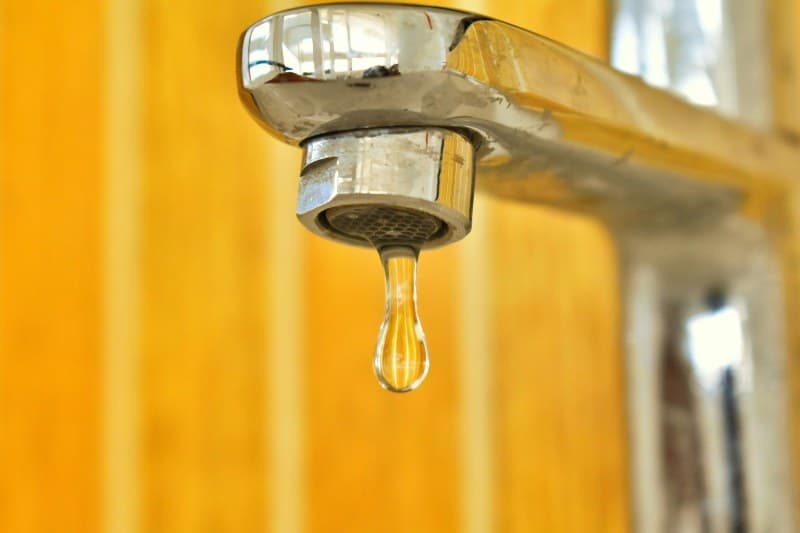
You wake up at 2 a.m., and the only sound in the house is the rhythmic drip-drip-drip of your bathroom faucet. Not only is it annoying, but that tiny leak could be wasting up to 3,000 gallons of water a year—enough to take 180 showers. Let’s break down the two most common reasons faucets leak and how to fix them yourself.
Two Common Causes of Leaky Faucets 🔧
Most faucet leaks boil down to two simple issues: worn washers or damaged O-rings. These small rubber parts are the unsung heroes of your faucet, keeping water from seeping out. Over time, they wear out from constant use.
Here’s a quick comparison to help you diagnose your leak:
| Issue | Symptom | Tools Needed | Difficulty Level |
|---|---|---|---|
| Worn Washer | Drip from spout when faucet is off | Screwdriver, adjustable wrench, replacement washer | Easy (beginner-friendly) |
| Damaged O-Ring | Leak around the base of the handle | Screwdriver, replacement O-ring | Very Easy |
Step-by-Step Fixes for Each Leak
Fixing a Worn Washer
- Turn off the water supply to the faucet (look for valves under the sink).
- Remove the faucet handle: Pry off the decorative cap (if any) with a screwdriver, then unscrew the handle.
- Unscrew the stem (use an adjustable wrench if it’s tight).
- Take out the old washer (it’s usually at the bottom of the stem) and replace it with a new one (match the size).
- Reassemble the faucet and turn the water back on to test.
Fixing a Damaged O-Ring
- Turn off the water supply.
- Remove the handle (same as above).
- Locate the O-ring (a small rubber ring around the stem).
- Slide off the old O-ring and replace it with a new one (same size).
- Reassemble the handle and test for leaks.
Common Myths About Leaky Faucets Debunked
- Myth: A small drip is no big deal. Fact: As mentioned, it wastes 3,000 gallons/year—adding up to $100+ on your water bill annually.
- Myth: You need a plumber for every leak. Fact: These two fixes are DIY-friendly and cost less than $5 in parts.
A Classic Wisdom to Remember
“A small leak will sink a great ship.” — Benjamin Franklin
This quote reminds us that ignoring small issues (like a drip) can lead to bigger problems—from higher bills to water damage over time. Don’t let a tiny leak turn into a major headache.
Real-Life Example: Sarah’s Faucet Fix
Sarah, a busy mom, noticed her kitchen faucet was dripping. She initially called a plumber, who quoted her $150. Instead, she looked up the issue online, realized it was a worn washer, and bought a $2 replacement from her local hardware store. She fixed it in 15 minutes, saving $148 and gaining confidence in her DIY skills.
FAQ: Your Leaky Faucet Questions Answered
Q: What if my leak isn’t from these two causes?
A: If the leak is from the base of the faucet (not the handle or spout), it might be a loose connection or a broken valve seat. Try tightening the connections first—if that doesn’t work, you may need a plumber.
Q: How do I know what size washer or O-ring to buy?
A: Take the old part to a hardware store—they can match it for you. Most stores have a wide selection of standard sizes.
Fixing a leaky faucet doesn’t have to be complicated. With these two common fixes, you can save money, water, and your sanity. Next time you hear that drip, don’t ignore it—grab a wrench and get to work!