Last month, my friend Lila was frustrated. She’d splurged on a fancy vitamin C serum, but after two weeks, her skin didn’t look brighter. “I apply it every morning,” she said, “but it just sits on top like a sticky film.” Sound familiar? The problem wasn’t the serum—it was how her skin was absorbing it. Let’s break down what’s really going on when you smooth that serum onto your face.
What Is Facial Serum Absorption, Anyway?
Serums are concentrated formulas packed with active ingredients (think vitamin C, hyaluronic acid, or retinol). Absorption is the process where these ingredients penetrate the skin’s layers to do their job. It’s not just about slapping it on—your skin’s condition and how you apply it make all the difference.
2 Key Factors That Shape Serum Absorption
1. Your Skin Barrier Health
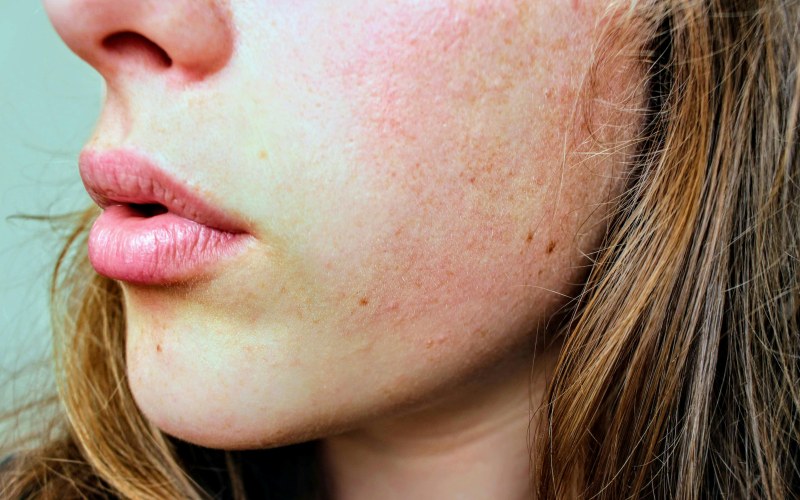
Your skin’s outermost layer (the stratum corneum) acts like a gatekeeper. If it’s damaged—from over-exfoliating, using harsh cleansers, or even too much sun—serums can’t get through. Lila, for example, had been using a strong chemical exfoliant every night, which weakened her barrier. No wonder her serum wasn’t working!
2. Application Technique
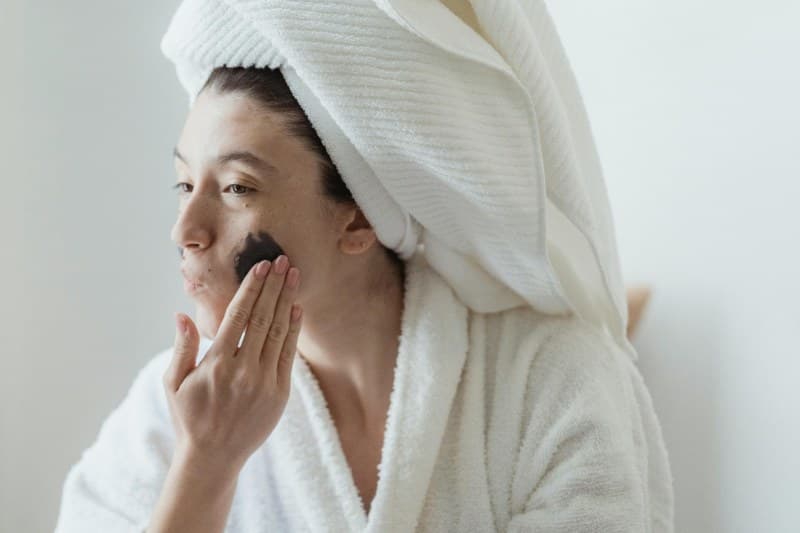
Rubbing serum into your skin might feel satisfying, but it’s not the best way. Patting the serum gently with your fingertips helps it sink in without causing friction (which can irritate the skin). Think of it like tapping water into a sponge—patting lets it absorb deeper than rubbing.
Common Myths About Serum Absorption (Debunked)
- Myth 1: More serum = better results. Nope! Serums are concentrated—one pea-sized amount is enough for your entire face. Excess just evaporates or clogs pores.
- Myth 2: Apply serum on dry skin. Actually, slightly damp skin (after toner or a mist) helps serums penetrate. The moisture hydrates the top layer, making it more permeable.
Serum Absorption Tips by Skin Type
Not all skin types absorb serums the same way. Here’s a quick guide:
| Skin Type | Best Serum Type | Application Tip | Absorption Hack |
|---|---|---|---|
| Dry | Hyaluronic acid or squalane | Pat onto damp skin | Follow with a thick moisturizer to lock in the serum |
| Oily | Niacinamide or salicylic acid | Apply on slightly damp skin (avoid over-moisturizing) | Use a lightweight, non-comedogenic moisturizer afterward |
| Sensitive | Calming serums (e.g., centella asiatica) | Pat gently on dry skin (to avoid irritation) | Do a patch test first to ensure no reaction |
“Beauty begins the moment you decide to be yourself.” — Coco Chanel
This quote rings true for serum absorption too. Choosing a serum that fits your skin’s unique needs (and applying it the right way) is more important than following every trend. Lila switched to a gentler exfoliant and started patting her serum on damp skin—within a week, she noticed her skin looked brighter.
Quick Q&A: Your Serum Absorption Questions Answered
Q: Can I mix multiple serums and still get good absorption?
A: Yes, but order matters. Apply lighter serums (like hyaluronic acid) first, then thicker ones (like retinol). Wait 30 seconds between layers to let each absorb. Avoid mixing conflicting ingredients (e.g., vitamin C and retinol) unless you know your skin can handle it.
At the end of the day, serum absorption is all about understanding your skin. Take a minute to check your barrier health and adjust your application technique—your skin will thank you!