Last year, my friend Mia decided to step up her skincare game. She grabbed a scrub with tiny plastic beads, used it every night, and ended up with red, irritated skin. She thought exfoliation was just “scrubbing hard to get rid of dead skin,” but she missed the two key methods that make it safe and effective. Let’s break this down so you don’t make the same mistake.
What Is Facial Exfoliation, Anyway?
Exfoliation is the process of removing dead skin cells from the surface of your face. These cells build up over time, making your skin look dull, clogging pores, and preventing skincare products from absorbing properly. Done right, it can reveal brighter, smoother skin and even help reduce acne.
The Two Key Exfoliation Methods: Physical vs Chemical ✨
There are two main ways to exfoliate: physical (manual) and chemical. Let’s compare them side by side:
| Method | How It Works | Best For | Pros | Cons |
|---|---|---|---|---|
| Physical Exfoliation | Uses abrasive particles (sugar, jojoba beads) or tools (brushes, sponges) to manually slough off dead skin. | Oily/normal skin; those who want immediate texture changes. | Immediate smoothness; affordable options easily available. | Risk of over-scrubbing (causes irritation/micro-tears); not ideal for sensitive skin. |
| Chemical Exfoliation | Uses acids (AHAs like glycolic, BHAs like salicylic) or enzymes to dissolve dead skin cells without friction. | Sensitive/dry/acne-prone skin; long-term brightening. | Gentler on skin; targets deeper layers (reduces fine lines, unclogs pores); no micro-tears. | Mild tingling (normal); takes 2-3 days to see results; requires sun protection. |
Physical Exfoliation: What to Look For
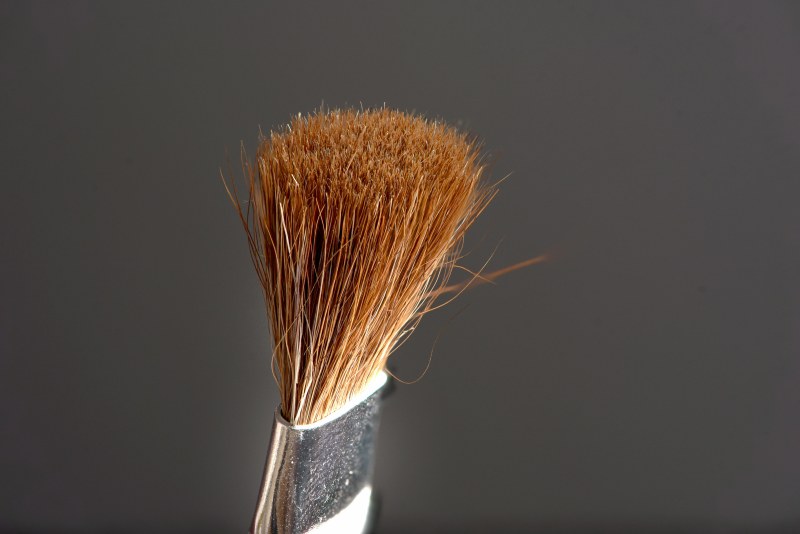
Stick to gentle particles like sugar or jojoba beads (avoid plastic beads—they’re bad for the environment and your skin). Use a soft brush if you prefer tools, and always apply with light pressure.
Chemical Exfoliation: Getting Started
For beginners, try a low-concentration AHA (like 5% glycolic acid) or BHA (2% salicylic acid). Start with once a week and gradually increase to avoid irritation.
Common Exfoliation Myths Debunked
- Myth 1: Scrubbing harder = better results. No! Over-scrubbing damages your skin’s protective barrier, leading to redness and breakouts. Think of it as polishing a delicate surface—light pressure is key.
- Myth 2: You need to exfoliate daily. Most skin types only need 1-3 times a week. Daily exfoliation can strip your skin of natural oils.
- Myth 3: Chemical exfoliants are harsh. Gentle, low-concentration options are perfect for sensitive skin. They work without the physical friction that irritates.
“You can’t polish a stone without friction.” — Unknown
This proverb fits exfoliation perfectly. The right amount of gentle friction (or chemical reaction) polishes your skin to a glow, but too much friction ruins the stone (your skin).
Real-Life Example: Mia’s Turnaround
After her irritation, Mia switched to a gentle 5% lactic acid (AHA) exfoliant. She used it twice a week, applying it with her fingertips (no scrubbing). Within two weeks, her skin was brighter, her pores looked smaller, and she had no more redness. She learned that choosing the right method for her sensitive skin was more important than scrubbing hard.
FAQ: Your Exfoliation Questions Answered
Q: How do I know which method is right for me?
A: If you have sensitive or dry skin, start with chemical exfoliation (AHAs like lactic acid are great). If you have oily skin and love immediate smoothness, try a gentle physical scrub once a week. Always patch-test new products first!
Q: Do I need to wear sunscreen after exfoliating?
A: Yes! Exfoliation removes the top layer of dead skin, making your skin more sensitive to the sun. Even if you don’t exfoliate, sunscreen is a must—but it’s extra important after exfoliation.
Final Tips for Beginners
1. Start slow: Once a week, then increase if your skin tolerates it.
2. Listen to your skin: If it feels tight or red, take a break.
3. Pair exfoliation with a moisturizer: It helps restore your skin’s barrier.
Exfoliation doesn’t have to be complicated. By choosing the right method and using it gently, you can get the glowing skin you want without irritation.