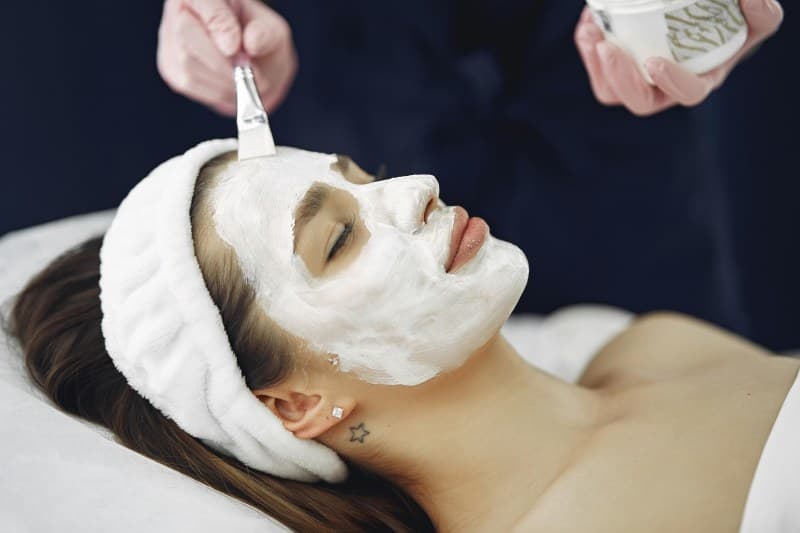
Last month, my friend Mia decided to chase that "glass skin" glow. She grabbed a gritty physical scrub and used it twice a day—morning and night. By the weekend, her cheeks were red, tight, and irritated. She thought more exfoliation = more radiance, but she’d crossed the line into overdoing it. Exfoliation is a balancing act, and there are so many myths floating around that can lead to missteps like Mia’s.
How Exfoliation Actually Works
At its core, exfoliation removes dead skin cells from the stratum corneum—the outermost layer of your skin. These dead cells can build up, making your skin look dull, clogging pores, or preventing skincare products from absorbing well. There are two main types:
- Physical exfoliants: Scrubs, brushes, or cloths that physically slough off dead cells.
- Chemical exfoliants: Acids (like AHAs or BHAs) or enzymes that dissolve the bonds between dead cells, letting them wash away.
6 Common Exfoliation Myths Debunked
- Myth: Exfoliate every day for maximum glow.
Truth: Over-exfoliation damages your skin’s barrier, leading to redness, dryness, or breakouts. Most people only need 1-3 times a week. - Myth: Physical scrubs are better for deep cleaning pores.
Truth: Harsh scrubs can cause micro-tears in the skin, making it more prone to irritation and bacteria. Opt for gentle physical options (like jojoba beads) or chemical exfoliants for pore care. - Myth: Chemical exfoliants are only for oily skin.
Truth: Gentle chemical exfoliants (like lactic acid) work wonders for dry skin, as they hydrate while exfoliating. Enzyme masks are also great for sensitive skin. - Myth: Exfoliation can erase acne scars.
Truth: It can fade surface hyperpigmentation (dark spots from acne), but deep, indented scars need more targeted treatments like microneedling. - Myth: Sensitive skin shouldn’t exfoliate at all.
Truth: Sensitive skin can benefit from very gentle exfoliation (like enzyme masks once a week) to remove dead cells without irritation. - Myth: All exfoliants are interchangeable.
Truth: BHAs (salicylic acid) are best for oily, acne-prone skin (they penetrate pores), while AHAs (glycolic acid) work for dry skin (they brighten surface layers).
Physical vs Chemical Exfoliants: A Quick Comparison
Not sure which type is right for you? Here’s a breakdown:
| Type | How It Works | Best For | Pros | Cons |
|---|---|---|---|---|
| Physical | Sloughs dead cells with texture | Normal skin (gentle options) | Immediate smoothness | Can cause micro-tears if harsh |
| Chemical (AHAs) | Dissolves surface dead cells | Dry, dull skin | Brightens and hydrates | May cause sun sensitivity |
| Chemical (BHAs) | Penetrates pores to unclog | Oily, acne-prone skin | Reduces breakouts | May irritate sensitive skin |
| Enzyme | Breaks down dead cells with natural enzymes | Sensitive skin | Gentle, no irritation | Less immediate results |
Tailored Tips for Every Skin Type
Dry Skin 🌿
Stick to gentle chemical exfoliants like lactic acid (1-2 times a week). Avoid rough scrubs—they’ll strip your skin of moisture. Follow up with a rich moisturizer to lock in hydration.
Oily Skin ✨
Use BHAs (salicylic acid) 2-3 times a week to unclog pores and control oil. Pair with an oil-free moisturizer to keep your skin balanced.
Sensitive Skin 🧴
Try enzyme masks (papaya or pineapple) once a week. They’re mild and won’t disrupt your skin’s barrier. Always patch-test new products first.
FAQ: Your Exfoliation Questions Answered
Q: Can I exfoliate if I have rosacea?
A: Yes, but be extra gentle. Opt for enzyme masks or very low-concentration lactic acid (1-2% ) once a week. Avoid physical scrubs and harsh chemicals.
“A little goes a long way.” — Proverb
This old saying is perfect for exfoliation. Mia learned this the hard way—using too much too often backfired. The right amount of exfoliation, tailored to your skin type, will leave you with a healthy, glowing complexion without the irritation.
At the end of the day, the best exfoliation routine is the one that works for your skin. Listen to your face—if it feels tight or red, cut back. If it looks dull, add a gentle exfoliant. With the right approach, you’ll get that glow without the guesswork.