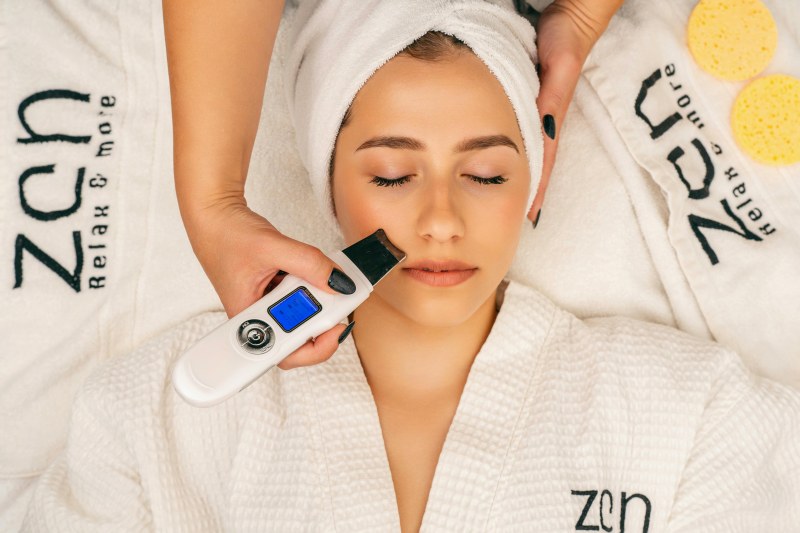
Let’s start with a relatable story: My friend Lila recently decided to step up her skincare game. She heard exfoliation was the secret to glowing skin, so she started using a scrub twice a day. A week later, her face was red, flaky, and irritated. Sound familiar? Exfoliation is powerful, but it’s easy to get wrong.
What Is Exfoliation & How Does It Work?
Exfoliation is the process of removing dead skin cells from the surface of your face. Our skin naturally sheds these cells every 28 days, but factors like aging, pollution, and dryness can slow this process down. When dead cells build up, your skin looks dull, pores get clogged, and products don’t absorb as well. Exfoliation helps speed up this shedding to reveal brighter, smoother skin.
3 Common Exfoliation Myths Debunked
- Myth 1: More exfoliation = better results — Over-exfoliating breaks down your skin’s protective barrier, leading to redness, sensitivity, and even breakouts. Less is often more.
- Myth 2: Physical exfoliants are too harsh for sensitive skin — Not all physical scrubs are abrasive. Gentle options like jojoba beads or rice powder work well for sensitive skin without causing irritation.
- Myth 3: Chemical exfoliants are only for acne-prone skin — Chemical exfoliants (like lactic acid) are great for dry or aging skin too—they help boost collagen and hydrate.
Physical vs. Chemical Exfoliants: A Quick Comparison
Not sure which type is right for you? Here’s a breakdown:
| Type | How It Works | Best For | Pros | Cons |
|---|---|---|---|---|
| Physical | Uses small particles to scrub off dead skin | Oily or combination skin (gentle options for sensitive) | Immediate smoothness, easy to use | Can cause micro-tears if too harsh |
| Chemical | Uses acids (AHAs/BHAs) to dissolve dead skin | Dry, aging, or acne-prone skin | Deeply penetrates pores, boosts collagen | May cause initial tingling; needs sun protection |
Routine Tips for Every Skin Type
Exfoliation isn’t one-size-fits-all. Here’s how to tailor it:
Oily Skin
Go for chemical exfoliants like salicylic acid (BHA) 2-3 times a week. It cuts through oil and unclogs pores.
Dry Skin
Use a gentle physical scrub (jojoba beads) or lactic acid (AHA) once a week. These hydrate while exfoliating.
Sensitive Skin
Stick to enzyme exfoliants (like papaya or pineapple) once a week. They’re mild and don’t irritate.
Combination Skin
Mix it up: Use a physical scrub on oily areas (T-zone) and chemical on dry areas (cheeks) 1-2 times a week.
“Self-care is not selfish. You cannot serve from an empty vessel.” — Eleanor Brownn
This quote rings true for skincare too. Taking the time to exfoliate properly is a form of self-care that keeps your skin healthy and glowing—without overdoing it.
FAQ: Common Exfoliation Question
Q: Can I exfoliate if I have active acne?
A: Yes! But avoid harsh physical scrubs that can irritate breakouts. Opt for salicylic acid (BHA) which penetrates pores and reduces inflammation. Start with once a week and adjust as needed.
Remember: Exfoliation is a tool to enhance your skincare routine, not replace it. Pair it with a moisturizer and sunscreen to keep your skin happy and protected.