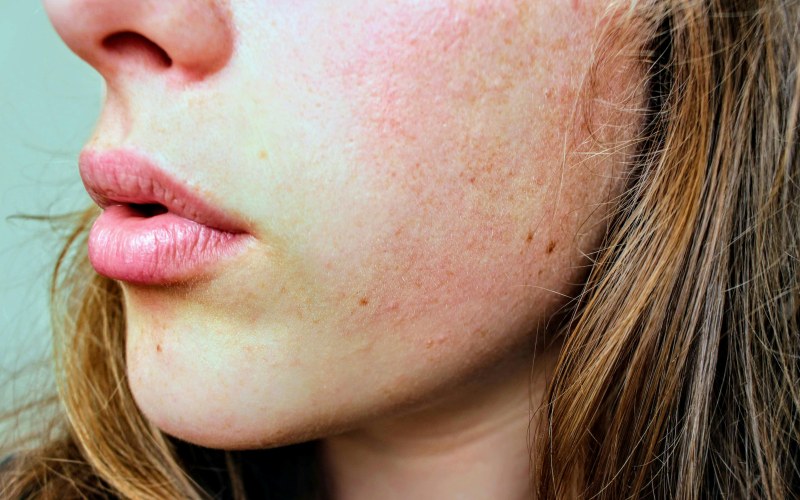
Last month, my friend Lila tried a trendy charcoal mask she saw online. She has dry skin, but the mask left her cheeks flaky and tight. Sound familiar? Face masks are everywhere, but picking the right one (and using it correctly) can feel like a puzzle. Let’s break down what you need to know.
Why Face Masks Work
Face masks are like a quick boost for your skin. They deliver concentrated ingredients directly to the surface, targeting specific issues—whether that’s oiliness, dryness, or dullness. Unlike daily moisturizers, masks sit on your skin longer, letting active ingredients sink in deeper.
7 Common Mask Types: Which One Is For You?
Not all masks are created equal. Here’s a breakdown of the most popular types and their best uses:
| Mask Type | Best For | Key Benefits | How Often to Use |
|---|---|---|---|
| Gel | Normal/combination skin | Cools, hydrates, and soothes | 1-2x/week |
| Clay | Oily/acne-prone skin | Absorbs excess oil, unclogs pores | 1x/week (avoid overuse) |
| Sheet | Dry/dull skin | Instant hydration, brightens | 1-2x/week |
| Hydrating | Very dry skin | Deeply moisturizes, repairs barrier | 2-3x/week |
| Enzymatic Exfoliating | Dull skin | Gently removes dead skin cells | 1-2x/week (sensitive skin: 1x/week) |
| Charcoal | Oily/blemish-prone skin | Draws out impurities, reduces blackheads | 1x/week |
| Overnight | All skin types (adjust formula) | Works while you sleep, nourishes | 2-3x/week |
Face Masks as Self-Care
“Self-care is how you take your power back.” — Lalah Delia
This quote hits home because using a face mask isn’t just about skincare—it’s a moment to slow down. I love putting on a hydrating mask after a long day: it’s 15 minutes of quiet where I can read a book or listen to music, and my skin feels better too.
Myths to Stop Believing
- Myth 1: You have to leave masks on for 30 minutes. Most masks work best in 10-15 minutes—leaving them longer can dry out your skin.
- Myth 2: All masks are for oily skin. Dry skin needs masks too! Look for hydrating or overnight formulas.
- Myth 3: Masks can replace your daily moisturizer. No—masks are a treat, not a substitute. Always follow with moisturizer to lock in benefits.
FAQ: Your Burning Questions Answered
Q: Can I use multiple masks in one week?
A: Yes! Mix and match based on your skin’s needs. For example, use a clay mask on your oily T-zone and a hydrating mask on dry cheeks. Just don’t overdo it—stick to 2-3 mask sessions a week.
Practical Tips for Great Results
- Patch test first: Apply a small amount of mask to your inner arm to check for irritation.
- Cleanse before masking: Your skin needs to be clean for ingredients to sink in.
- Don’t skip moisturizer: Masks can temporarily dry out your skin—moisturize right after to seal in goodness.
Face masks don’t have to be complicated. With a little knowledge, you can find the perfect one for your skin and enjoy the process. Happy masking!