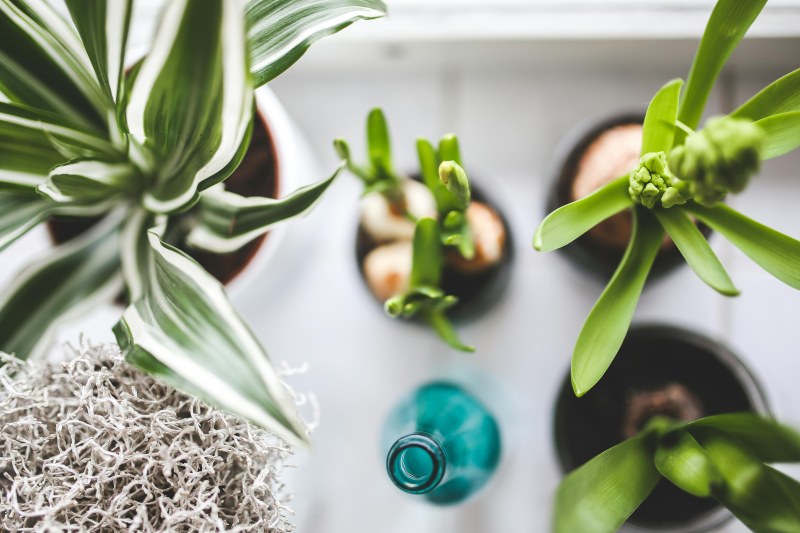
Sarah loved the idea of growing her own cherry tomatoes and basil, but her golden retriever Max had a knack for digging up every new plant she put in the ground. She worried about using materials that might harm him if he chewed on the bed frame or ate soil. That’s when she decided to build a pet-safe garden bed— and quickly realized there was a lot of misinformation out there.
4 Common Myths About Pet-Safe Garden Beds
Let’s start with the myths that trip up most beginners:
- Myth 1: All wood is safe for pets. Nope— treated wood (like pressure-treated lumber) contains chemicals like arsenic or copper that are toxic if ingested. Stick to natural, untreated woods.
- Myth 2: Pets won’t bother raised beds. Some pets (like Max) will jump into raised beds if they’re low enough. Adding a small fence or placing the bed out of their play area helps.
- Myth 3: Only organic soil is pet-safe. Organic doesn’t always mean pet-friendly— some organic fertilizers (like bone meal) can be harmful to dogs if eaten. Opt for pet-safe soil mixes labeled non-toxic.
- Myth 4: Pet-safe beds have to be expensive. You can use recycled materials (like old pallets or plastic containers) to build a budget-friendly bed.
Pet-Safe Garden Bed Materials: A Comparison
Choosing the right material is key to keeping your pets safe. Here’s how four popular options stack up:
| Material | Pros | Cons | Cost per sq ft | Pet Safety |
|---|---|---|---|---|
| Cedar | Natural insect repellent, durable, aesthetic | More expensive | $3-5 | Safe (no toxic chemicals) |
| Recycled Plastic | Waterproof, low maintenance, eco-friendly | Less natural look | $2-4 | Safe (no harmful additives) |
| Metal (Galvanized) | Sturdy, long-lasting, resistant to rot | Can get hot in direct sun | $4-6 | Safe (if no sharp edges) |
| Untreated Pine | Affordable, easy to find | Rots faster (needs non-toxic sealant) | $1-2 | Safe (when sealed) |
How to Build a Basic Pet-Safe Garden Bed
Building a simple raised bed takes an afternoon and a few supplies. Here’s a quick guide:
- Pick a location: Choose a spot away from your pet’s favorite play area (to reduce digging).
- Assemble the frame: Use cedar or recycled plastic planks to make a 4x4 ft frame (height 12-18 inches to deter jumping).
- Add soil: Fill with pet-safe soil (look for mixes labeled “non-toxic for pets”).
- Plant safe plants: Opt for pet-friendly plants like basil, mint, or marigolds (avoid toxic ones like lilies or tulips).
A Classic Quote to Inspire
The glory of gardening: hands in the dirt, head in the sun, heart with nature. To nurture a garden is to feed not just the body, but the soul. — Alfred Austin
This quote sums up why so many of us love gardening— and it’s even better when we can share that joy with our pets. The key is to create a space where both plants and furry friends can thrive without risk.
FAQ: Common Questions About Pet-Safe Garden Beds
Q: Can I use treated wood for my pet-safe garden bed?
A: No. Treated wood contains chemicals that are toxic to pets if they chew on the wood or ingest soil near it. Stick to untreated, natural woods or recycled materials.
Q: What plants are safe for pets in a garden bed?
A: Some safe options include basil, mint, sunflowers, marigolds, and zucchini. Always check a pet-toxic plant list before adding new plants.
Sarah’s pet-safe garden bed was a success— Max stopped digging, and she harvested her first batch of cherry tomatoes last summer. With the right materials and a little planning, you can have a garden that’s safe for both your plants and your pets.