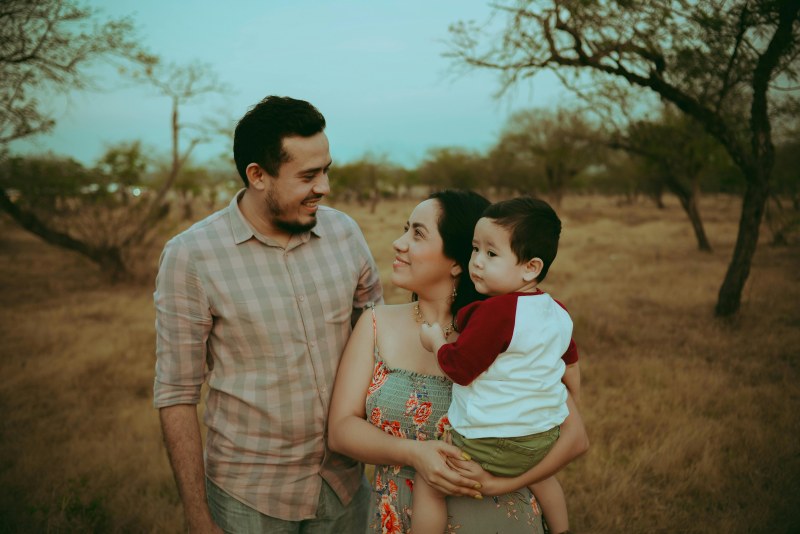
When Lila planned her trip to Oaxaca, Mexico, she worried cultural immersion was out of reach. She’d heard it required expensive homestays or fluent Spanish, but a chance encounter with a community cooking class changed everything. For $25, she spent three hours with a local family, grinding mole spices by hand, learning about their ancestral recipes, and laughing over broken Spanish and shared snacks. By the end, she left with a jar of mole, a new friend, and a realization: immersion isn’t about perfection—it’s about showing up.
What Is Cultural Immersion Travel?
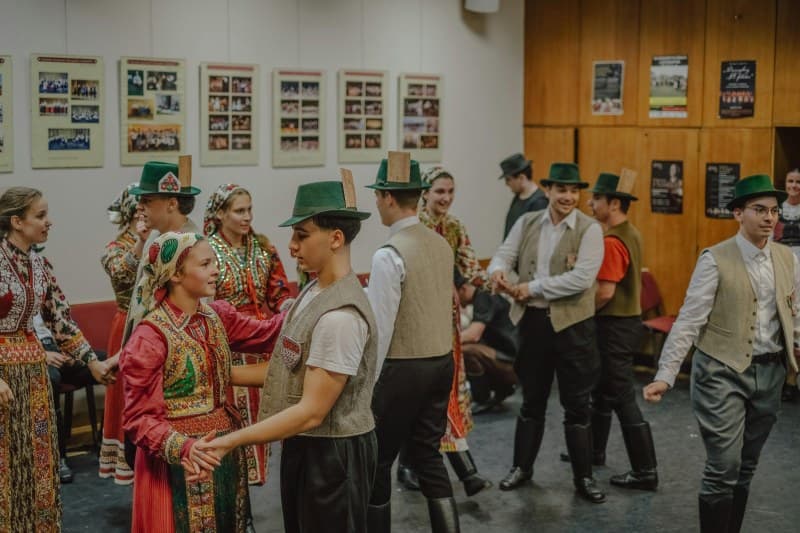
Cultural immersion is the practice of engaging with local life instead of just observing it. It’s skipping the tourist traps to join a neighborhood market, taking a craft workshop from a local artisan, or helping a farmer harvest crops. It’s about listening to stories, trying new traditions, and seeing the world through someone else’s eyes.
3 Common Myths About Cultural Immersion (And Their Truths)
Let’s break down three persistent myths that hold travelers back from meaningful experiences:
| Myth | Reality | Why It Matters |
|---|---|---|
| You need to speak the local language fluently. | Basic phrases + nonverbal cues (smiles, gestures) go a long way. Locals often appreciate the effort more than perfect grammar. | Don’t let language barriers stop you—connection is about intent, not fluency. |
| It’s only for long-term travelers. | Even a 1-hour cooking class or market tour can be more immersive immersive than a week of sightseeing. | Short trips can foster deep connections if you prioritize quality over quantity. |
| It’s expensive (requires homestays or private tours). | Many community-led activities (street food tours, craft workshops) cost $10–$30 and support local families directly. | Immersion doesn’t have to break the bank—look for local-led initiatives instead of tourist-focused ones. |
Practical Hacks to Try Cultural Immersion
Ready to dive in? Here are three easy ways to start:
- Join community-led tours: Skip the big bus tours—look for small, local operators (like Lila’s cooking class) that reinvest profits into the community.
- Shop at local markets: Instead of buying souvenirs at a hotel gift shop, visit a neighborhood market. Ask vendors about their products (e.g., “How do you make this salsa?”) to spark conversations.
- Participate in hands-on activities: Try weaving in Peru, tea ceremony in Japan, or farming in Thailand. These activities let you learn a skill while connecting with locals.
“The world is a book, and those who do not travel read only one page.” — Saint Augustine
This quote reminds us that travel isn’t just about visiting places—it’s about diving into their stories. Cultural immersion lets you turn those pages slowly, understanding the people behind the sights.
Community Impact of Cultural Immersion
When you choose local-led activities, your money goes directly to the community. For example, Lila’s cooking class supported a family-run business, helping them preserve their culinary traditions. In many cases, these activities also help keep cultural practices alive—like weaving or traditional cooking—that might otherwise fade.
Quick Q&A: Your Cultural Immersion Questions Answered
Q: Can I practice cultural immersion even if I’m traveling alone?
A: Absolutely! Solo travelers often have more opportunities to connect with locals. Try staying in a small guesthouse, joining group activities (like a hiking tour with locals), or striking up a conversation at a café. Just be open, respectful, and curious.
Cultural immersion isn’t about being a perfect traveler—it’s about being a present one. Next time you plan a trip, skip one tourist attraction and try something local. You might just leave with a story (and a jar of mole) you’ll never forget.