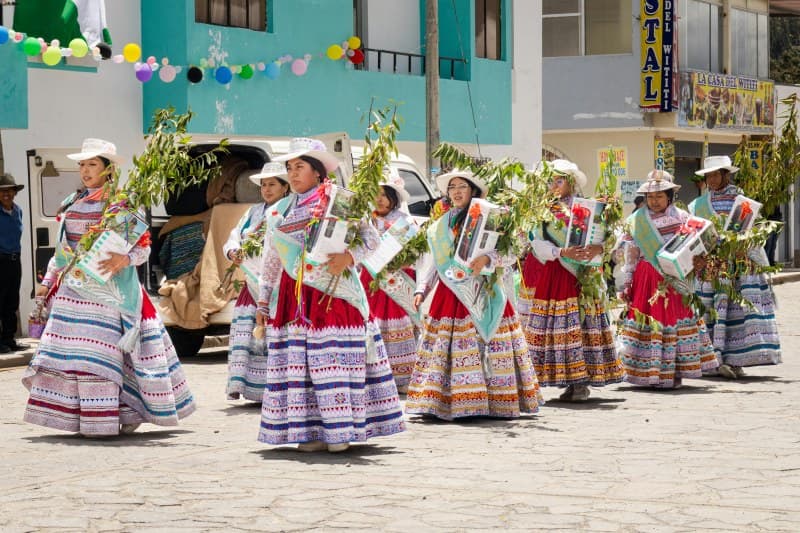
Last year, I spent a week in Kyoto. At first, I planned to hit all the famous temples and stay in a modern hotel. But a friend suggested a ryokan—a traditional Japanese inn. The owner, Mrs. Tanaka, invited me to help make matcha one morning. I fumbled with the bamboo whisk, but she laughed and showed me the right way. Later, she took me to a neighborhood tea ceremony where I sat cross-legged with locals, sipping tea and eating wagashi (sweet treats). That trip changed how I travel: it wasn’t just about seeing places, but about being part of them.
What Is Cultural Immersion, Anyway?
Cultural immersion isn’t just trying local food or taking photos of landmarks. It’s about stepping into the daily life of a place—learning how people live, think, and connect. It’s the difference between eating at a touristy sushi spot and joining a family for a home-cooked meal.
4 Key Practices for Cultural Immersion ✨
1. Dine Like a Local (Skip the Tourist Traps)
Tourist restaurants often water down flavors to suit international tastes. Instead, look for places where locals eat: small noodle shops with long lines, street food stalls, or family-run cafes. In Mexico City, I followed a group of office workers to a tiny taco stand. The owner, Doña Maria, served me al pastor tacos with pineapple—fresh, spicy, and nothing like the ones I’d had back home.
2. Participate in Community Activities
Many destinations have community events that welcome visitors: farmers’ markets, craft workshops, or religious festivals. In Bali, I joined a traditional dance class. The instructor, Wayan, taught me the basic steps of the Legong dance. Even though I was clumsy, the other participants cheered me on. It was a fun way to learn about Balinese culture and make new friends.
3. Learn Basic Local Phrases (Beyond “Hello”)
Learning a few key phrases shows respect and opens doors. In Thailand, I learned how to say “thank you” (khop khun kha for women) and “how much is this?” (nee tao rai). When I used these in a Bangkok market, the vendor smiled and gave me a discount. Small gestures go a long way.
4. Stay in Non-Hotel Accommodations
Hotels are convenient, but homestays, guesthouses, or ryokans let you live with locals. In Portugal, I stayed with a family in Lisbon. Every evening, we sat on the balcony, eating pastéis de nata and talking about their lives. They told me about hidden beaches and local festivals I would have never found on my own.
Common Myths About Cultural Immersion Debunked ❌
- Myth 1: You need to speak the local language fluently.
Reality: Even basic phrases are enough to connect. Locals appreciate the effort. - Myth 2: Immersion takes a lot of time.
Reality: Even a few hours of a cooking class or market visit can be immersive. - Myth 3: It’s expensive.
Reality: Many immersive activities (like walking tours with locals, or joining a market) are cheap or free.
Local Connection Hacks 💡
- Ask for recommendations: “Where do you go for coffee?” or “What’s your favorite local dish?”
- Bring a small gift from your home country (like a postcard or candy) to share.
- Join a free walking tour led by a local guide—they often know the best hidden spots.
Tourist vs Immersive Travel: A Quick Comparison
See the difference between a tourist approach and an immersive one:
| Aspect | Tourist Approach | Immersive Approach |
|---|---|---|
| Dining | Eats at chain restaurants or tourist spots | Dines at local family-run places or street stalls |
| Accommodation | Stays in large hotels | Stays in homestays or guesthouses |
| Activities | Visits only famous landmarks | Joins community activities or workshops |
| Communication | Uses English exclusively | Learns basic local phrases |
A Classic Wisdom on Travel
“The world is a book, and those who do not travel read only one page.” — St. Augustine
This quote reminds us that travel isn’t just about visiting places—it’s about expanding our horizons. Cultural immersion lets us read more pages of the world’s book, understanding different ways of life.
FAQ: Your Cultural Immersion Questions Answered
Q: I’m shy—can I still have immersive experiences without talking to lots of locals?
A: Absolutely! Try quiet activities like visiting a local library, joining a pottery class, or walking through a neighborhood market. You can observe and learn without needing to have long conversations. Even a smile or a nod can build connections.
Q: How do I find community activities in a new place?
A: Check local event calendars online, ask your accommodation host, or look for posters in cafes and community centers. Apps like Meetup or Airbnb Experiences also have great options.
Cultural immersion doesn’t have to be complicated. It’s about being curious, open-minded, and willing to step out of your comfort zone. Next time you travel, try one of these practices—you might be surprised by the connections you make and the memories you create.