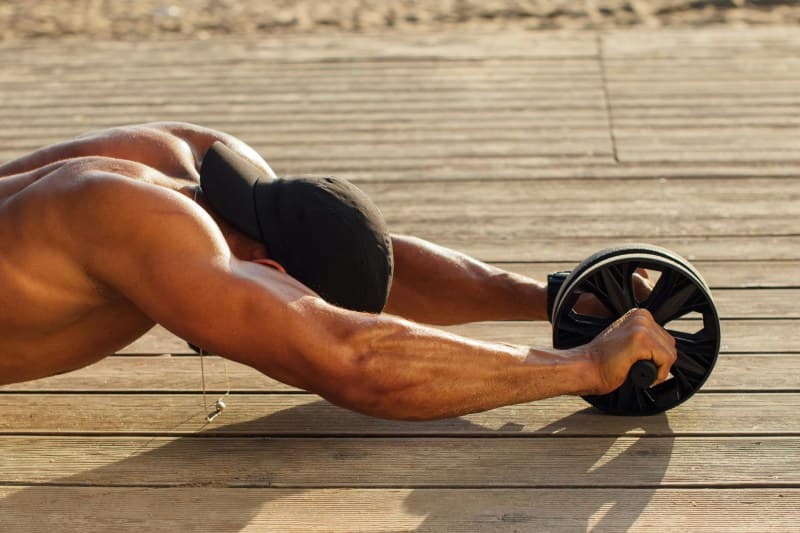
Last month, my friend Jake joined a weekly pickup basketball game. After two weeks, he was complaining about lower back pain every time he jumped or twisted. His first thought was to stretch more, but a trainer told him the real issue was a weak core. Jake started doing 10 minutes of core work daily, and within a month, the pain was gone. That’s the power of core strength—you don’t notice it until it’s missing.
What Is Core Strength, Really?
When most people hear "core strength," they think of six-pack abs. But your core is way more than that. It’s a group of muscles that wrap around your midsection: the transversus abdominis (the deep, corset-like muscle), obliques (sides), rectus abdominis (the "six-pack" muscle), and lower back muscles. Together, they stabilize your spine, support your posture, and help with every movement—from lifting a grocery bag to sprinting down a soccer field.
4 Common Core Strength Myths Debunked 💡
Let’s clear up some misconceptions:
- Myth 1: Crunches are the best core exercise. Crunches only target the rectus abdominis, ignoring the deep core muscles. Overdoing crunches can even strain your neck.
- Myth 2: You need fancy equipment. Bodyweight exercises like planks, bird-dogs, and mountain climbers are just as effective (if not more) than machines.
- Myth 3: Core work is only for six-packs. The real benefit is functional strength—prevention of back pain, better balance, and improved performance in sports.
- Myth 4: More reps = stronger core. Form matters more than quantity. A 30-second plank with good form is better than 100 sloppy crunches.
Core Strength Benefits for Casual Athletes
Core strength isn’t just for gym rats. It’s a game-changer for anyone who enjoys casual sports. Let’s see how it helps different activities:
| Sport/Activity | Key Benefit of Core Strength |
|---|---|
| Soccer | Better balance for dribbling; stronger kicks from core rotation. |
| Running | Reduced knee and back pain; improved posture for longer runs. |
| Yoga | Ability to hold poses like downward dog or tree pose longer. |
| Pickup Basketball | Stability for jumping and landing; less risk of back strain. |
Quick Core Routines for Busy People ⏱️
You don’t need an hour at the gym. Try this 10-minute routine 2-3 times a week:
- Plank: 3 sets of 20-30 seconds (keep your body straight from head to heels).
- Bird-Dog: 3 sets of 10 reps per side (on hands and knees, extend opposite arm and leg).
- Mountain Climbers: 3 sets of 30 seconds (keep core tight, drive knees toward chest).
- Side Plank: 2 sets of 15 seconds per side (support your body on one elbow).
"The core is the center of everything; if it’s weak, everything else is weak." — Joseph Pilates
This quote hits home because your core is the foundation of all movement. Without a strong core, even simple tasks can become harder or lead to injury.
FAQ: Your Core Questions Answered
Q: How often should I do core exercises?
A: For most casual athletes, 2-3 times a week is enough. Focus on quality over quantity—even 10 minutes of focused core work can make a difference.
Q: Can I do core work every day?
A: It’s better to give your core muscles time to rest. Overworking them can lead to strain. Stick to 2-3 days a week, and mix in other exercises like cardio or strength training.
Whether you’re a weekend soccer player or just someone who wants to avoid back pain, core strength is non-negotiable. It’s not about getting a six-pack—it’s about feeling stronger, moving better, and enjoying your favorite activities without discomfort. Start small, focus on form, and you’ll see results in no time.