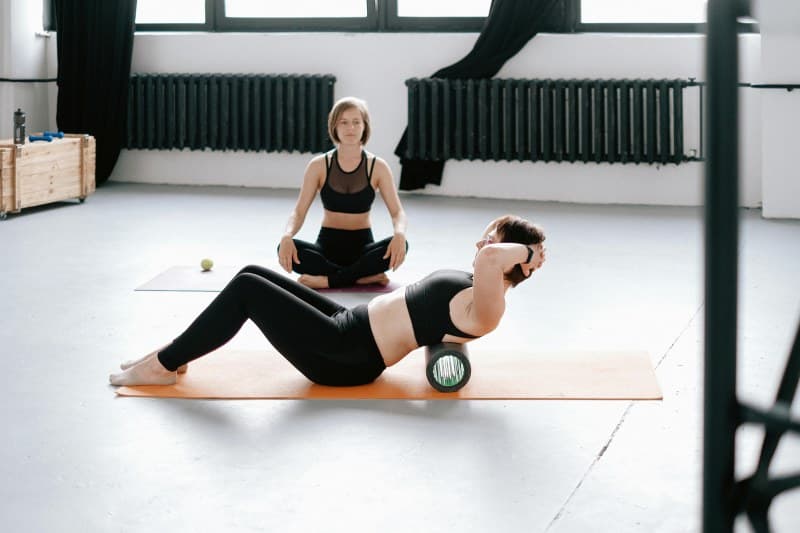
Ever spent a long day at your desk, then stood up with a twinge in your lower back? That’s your core talking—well, more like whispering that it needs some love. I used to ignore mine until a physical therapist told me: “Your core is the foundation of almost every movement you make.” Turns out, I’d been making all the wrong moves to strengthen it.
What Is Core Strength, Anyway?
Let’s get one thing straight: core strength isn’t just about having a six-pack. Your core is a group of muscles that wrap around your torso like a corset—think your rectus abdominis (the “six-pack” muscles), obliques (sides), transverse abdominis (deep belly muscle), lower back, and even your pelvic floor. These muscles work together to keep you stable when you lift a grocery bag, twist to grab something off a shelf, or even sit up straight.
3 Core Strength Myths You Need to Stop Believing
We’ve all heard them—myths that make core training feel more complicated than it is. Let’s bust three big ones:
- Myth 1: Crunches are the ultimate core exercise. Crunches only target the upper part of your abs. They ignore the deep transverse abdominis and lower back muscles, which are key for stability.
- Myth 2: You need a gym membership to build core strength. Some of the best core exercises use nothing but your body weight. No dumbbells, no machines—just you.
- Myth 3: A six-pack means a strong core. A six-pack is mostly about low body fat (thanks, genetics!). You can have a strong core without visible abs, and vice versa.
To help you pick the right exercises, here’s a quick comparison:
| Exercise | Targeted Core Areas | Pros | Cons |
|---|---|---|---|
| Crunches | Upper abs | Easy to learn | Ignores deep core & lower back |
| Plank | Full core (abs, obliques, lower back) | Builds overall stability | Can be hard to hold for beginners |
| Bird-Dogs | Lower back, obliques, transverse abdominis | Gentle on the spine | Requires focus to maintain form |
How to Start Building Core Strength (No Fancy Gear)
You don’t need to dive into intense workouts. Start small—here’s what worked for me:
- Planks: Begin with 10-15 seconds, then add 5 seconds each day. I went from 10 seconds to 1 minute in 2 weeks!
- Bird-Dogs: Do 3 sets of 5 reps per side. Focus on keeping your back flat and not twisting.
- Glute Bridges: Lie on your back, knees bent, feet flat. Lift your hips until your body forms a straight line. This works your lower back and glutes (which are part of your core too!).
Pro tip: Do these exercises 2-3 times a week. Consistency beats intensity here.
Classic Wisdom About Strength
“Strength does not come from physical capacity. It comes from an indomitable will.” — Mahatma Gandhi
This quote hits home for core training. Building core strength isn’t about how many crunches you can do in a minute—it’s about showing up, even when you don’t feel like it. I used to skip core days because I thought they were boring, but once I started seeing my back pain fade, I kept going.
FAQ: Your Core Strength Questions Answered
Q: How often should I train my core?
A: 2-3 times a week is ideal. Your core muscles need rest just like any other muscle group.
Q: Can I build core strength if I have back pain?
A: Yes! Gentle exercises like pelvic tilts and bird-dogs can help strengthen your core without straining your back. Always consult a physical therapist if you have chronic pain.
Building core strength is a journey, not a destination. Start small, be patient, and remember—every rep counts. Your back (and your daily movements) will thank you.