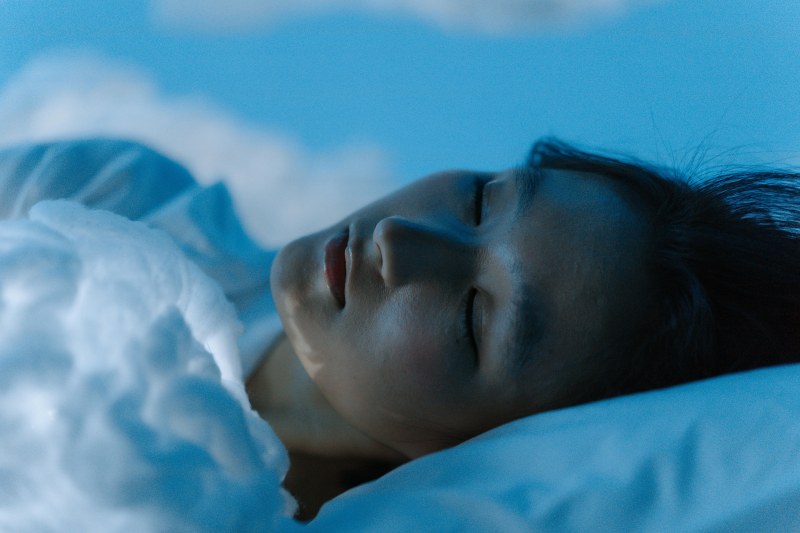
Last week, my friend Sarah told me she was stressed because she only got 7.5 hours of sleep the night before. She’d read that 8 hours is the gold standard, so she spent the whole day feeling guilty. But here’s the thing—sleep isn’t a one-size-fits-all number. That’s just one of the many sleep myths that can make us feel worse instead of better.
The 7 Sleep Myths You Need to Stop Believing
Let’s dive into the most persistent sleep myths and what science actually says:
Myth 1: You must get 8 hours of sleep every night
Many of us grew up hearing this rule, but it’s not universal. The National Sleep Foundation says adults need 7-9 hours, but some people (like short sleepers) thrive on 6, while others need 10. Stressing over hitting 8 hours can actually make it harder to fall asleep.
Myth 2: Napping is always bad for nighttime sleep
Short naps (20-30 minutes) can boost energy and focus without disrupting your nightly rest. The problem comes with long naps (over an hour) or napping after 3 PM—these can throw off your circadian rhythm.
Myth 3: Hitting snooze helps you catch up on sleep
When you hit snooze, you’re entering a new sleep cycle that you won’t finish. This leads to fragmented sleep, making you feel groggier than if you’d gotten up immediately. It’s better to set your alarm for the latest possible time you need to wake up.
Myth 4: Alcohol helps you sleep better
Alcohol may make you drowsy, but it disrupts deep sleep (the restorative stage) and causes frequent awakenings during the night. Avoid drinking alcohol 3-4 hours before bed to get better quality sleep.
Myth 5: You can “catch up” on sleep over the weekend
Weekend sleep binges can mess with your body’s internal clock. This leads to “social jet lag,” making it harder to wake up on Monday. Stick to a consistent sleep schedule (even on weekends) for better long-term rest.
Myth 6: If you can’t sleep, stay in bed until you do
Staying in bed when you’re awake associates your bed with frustration and anxiety. Instead, get up after 20 minutes, do a quiet activity (like reading a physical book), and return to bed when you feel sleepy.
Myth 7: Exercise before bed ruins sleep
Moderate exercise (like yoga or a walk) before bed can help you relax. Intense exercise (like running or weightlifting) raises your body temperature and adrenaline, so finish those 3 hours before bed.
Myth vs. Reality: A Quick Comparison
Let’s break down each myth side by side to see how they stack up against reality:
| Myth | Truth | Science-Backed Fix |
|---|---|---|
| You must get 8 hours nightly. | Adults need 7-9 hours (individual variation). | Track sleep for 1-2 weeks to find your optimal duration. |
| Napping is always bad. | Short (20-30 min) early naps are beneficial. | Avoid long naps or napping after 3 PM. |
| Hitting snooze helps catch up. | Snoozing leads to fragmented sleep. | Set alarm for latest wake-up time; place it away from bed. |
| Alcohol improves sleep. | Alcohol disrupts deep sleep. | Avoid alcohol 3-4 hours before bed. |
| Weekend sleep catches up. | It causes social jet lag. | Stick to consistent sleep schedule daily. |
| Stay in bed if you can’t sleep. | Associates bed with frustration. | Get up after 20 mins; do calm activity. |
| Exercise before bed is bad. | Moderate exercise is okay; intense isn’t. | Finish intense workouts 3 hours before bed. |
A Classic Take on Sleep
“Early to bed and early to rise makes a man healthy, wealthy, and wise.” — Benjamin Franklin
Franklin’s advice was rooted in his 18th-century lifestyle, but modern science shows it’s not for everyone. Some people are natural night owls, and forcing early sleep can backfire. The key is to listen to your body’s natural rhythm, not a one-size-fits-all rule.
FAQ: Your Sleep Questions Answered
Q: I wake up at 3 AM every night and can’t fall back asleep—what should I do?
A: First, don’t panic. This is common and often linked to stress or a disrupted circadian rhythm. Get out of bed, do a quiet, screen-free activity (like reading or stretching), and return to bed when you feel sleepy. Also, check if you’re drinking too much caffeine or eating heavy meals late in the day—these can contribute to middle-of-the-night awakenings.
Sleep is personal, and there’s no perfect formula. By letting go of these myths and listening to your body, you can build a sleep routine that works for you. Remember: Rest is not a luxury—it’s a necessity for your health and well-being.