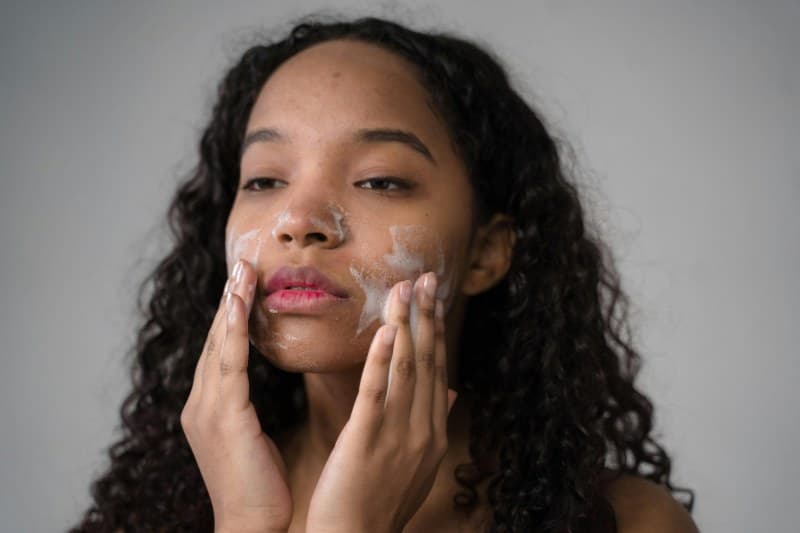
My friend Lila has struggled with oily skin her whole life. For years, she avoided anything with "oil" in the name—until last month, when she tried a cleansing oil on a whim. She texted me later, shocked: "It didn’t make my skin greasier! In fact, my pores look smaller." If you’re like Lila, you might have misconceptions about cleansing oils. Let’s break down the essentials.
What Exactly Is a Cleansing Oil?
Cleansing oils are water-soluble formulas that use oil to dissolve dirt, makeup (even waterproof!), and excess sebum from your skin. The key here is "water-soluble"—meaning they rinse off easily without leaving a greasy residue. They’re often used as the first step in a double cleansing routine (followed by a water-based cleanser).
5 Key Things You Need to Know About Cleansing Oils
1. Myth: Oils Make Oily Skin Greasier (Fact: They Balance It)
Many people with oily skin think oil will add more shine, but the opposite is true. Cleansing oils dissolve excess sebum (the skin’s natural oil) instead of stripping it. When you strip your skin, it overproduces oil to compensate—leading to more greasiness. So using an oil cleanser can actually help regulate oil production.
2. Not All Oils Are Created Equal (Skin Type Match Matters)
Choose an oil based on your skin type:
- Oily/Acne-Prone: Go for non-comedogenic oils like jojoba, squalane, or tea tree.
- Dry: Opt for nourishing oils like argan, coconut (if non-comedogenic), or rosehip.
- Sensitive: Look for fragrance-free options with chamomile or calendula.
3. How to Use It (The Right Way)
It’s simple:
- Apply 1-2 pumps to your dry face (hands too!).
- Massage gently for 30 seconds to 1 minute (pay attention to eye makeup!).
- Add a little warm water to emulsify (it’ll turn milky).
- Rinse thoroughly with warm water.
- Follow with a water-based cleanser if you’re double cleansing.
4. Key Benefits (Beyond Clean Skin)
Cleansing oils do more than remove makeup:
- Hydrate: They lock in moisture, so your skin feels soft instead of tight.
- Soften: Regular use can make your skin smoother over time.
- Calm: Many oils have anti-inflammatory properties (like rosehip or chamomile) that soothe irritation.
5. Common Mistakes to Avoid
Don’t make these errors:
- Using too much: A little goes a long way—overusing can leave residue.
- Not emulsifying: Skipping this step means the oil won’t rinse off properly.
- Using on wet skin: Oils repel water, so apply to dry skin for best results.
Wondering how cleansing oil stacks up against other cleansers? Here’s a quick comparison:
| Cleanser Type | Best For | Makeup Removal Power | Hydration Level |
|---|---|---|---|
| Cleansing Oil | All skin types (choose right oil) | High (waterproof too) | High |
| Micellar Water | Sensitive/dry skin (no rinsing) | Medium (light makeup) | Medium |
| Foam Cleanser | Oily skin | Low (needs makeup remover first) | Low (can strip) |
"Balance is the key to everything. What we do, think, say, eat, feel—all of it requires awareness and intent to maintain balance." — Koi Fresco
This quote rings true for skincare too. Cleansing oils help maintain the skin’s natural balance, instead of disrupting it with harsh cleansers. When your skin is balanced, it looks and feels its best.
Quick Q&A
Q: Can I use cleansing oil if I have acne?
A: Yes! Just pick a non-comedogenic oil (like jojoba or squalane) that won’t clog pores. Avoid heavy oils like mineral oil. Always rinse thoroughly to prevent residue.
Q: Do I need to double cleanse every day?
A: If you wear makeup or sunscreen (which you should!), yes. If you don’t, a single cleanse with oil might be enough for dry/sensitive skin.
Cleansing oils aren’t just a trend—they’re a game-changer for many skin types. Whether you’re new to them or have been curious, give them a try. Remember: the right oil for your skin type makes all the difference. And as Lila learned, sometimes the things we fear (like oil!) are the ones that help us the most.