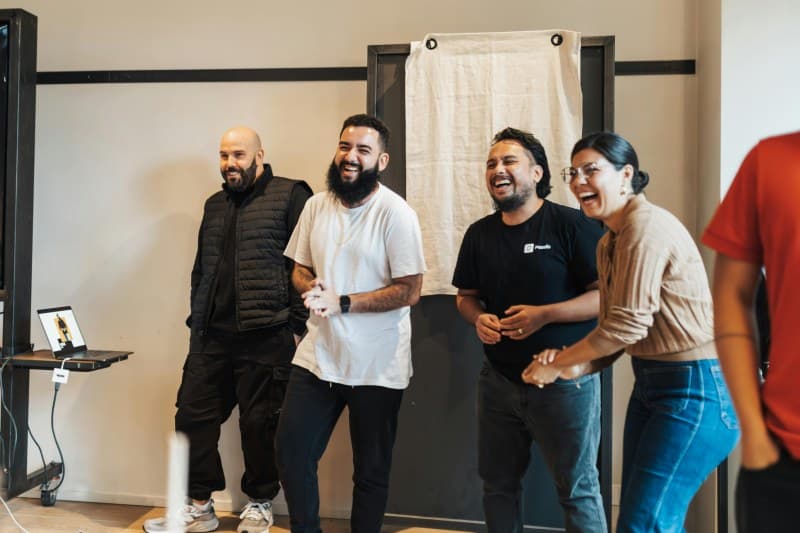
Last summer, I joined a weekly pickup soccer game at the local park. At first, it was chaos: one guy hogged the ball, beginners stood around unsure what to do, and a few arguments broke out over missed passes. Then someone suggested we take 5 minutes to talk—we assigned loose roles (who’d cover the goal, who’d pass to new players), agreed to cheer each other on, and suddenly the game felt different. No more frustration, just laughs and good plays. That day, I realized casual sports aren’t just about the game—they’re about the dynamics of the team.
Casual Sports Team Dynamics: 4 Key Factors Explained ⚽🤝
Whether you’re playing pickup basketball, weekend volleyball, or a neighborhood softball game, team dynamics can make or break the experience. Let’s break down the four factors that shape how your casual team works (and how to keep things fun).
1. Communication: The Glue That Holds It All Together
Communication in casual sports isn’t about fancy play calls—it’s about being clear and kind. Yelling "You messed up!" after a missed shot will kill morale, but saying "Nice try—let’s reset" keeps everyone engaged. In our soccer game, once we started calling out passes ("I’m open on the left!") instead of staying silent, the flow improved instantly.
2. Role Clarity: Loose Structure Goes a Long Way
You don’t need a coach to assign roles, but a little clarity helps. For example: Who takes the free kicks? Who stays back to defend? In our game, we let the most experienced player handle corners, and paired newbies with someone who could guide them. This way, no one felt lost or left out.
3. Inclusivity: Everyone Gets a Chance to Play
Casual sports are for everyone—from beginners to former high school stars. In our soccer game, we made sure to rotate positions so everyone got to try offense and defense. We also avoided keeping the ball to ourselves; even if a beginner wasn’t the best passer, we gave them opportunities to contribute.
4. Attitude: Fun Over Winning
The best casual games are the ones where no one cares about the score. In our game, we laughed at our own mistakes (like tripping over the ball) and celebrated small wins (like a beginner scoring their first goal). When someone got too competitive, we’d joke, "Hey, this isn’t the World Cup!" and they’d relax.
Positive vs Negative Impacts of Team Dynamics
Let’s compare how each factor affects your game:
| Factor | Positive Impact | Negative Impact |
|---|---|---|
| Communication | Smooth plays, fewer misunderstandings | Chaos, missed opportunities |
| Role Clarity | Everyone knows their place, less confusion | People stand around, no direction |
| Inclusivity | More people want to join, positive vibe | Beginner feels excluded, low morale |
| Attitude | Fun, relaxed atmosphere | Arguments, people leave early |
"Talent wins games, but teamwork and intelligence win championships." — Michael Jordan
Jordan’s quote isn’t just for pro teams. In casual sports, teamwork (and a good attitude) wins the day—because the real championship is having fun and coming back next week.
Common Q&A: Handling Competitive Teammates
Q: What if a teammate is too competitive and ruins the fun?
A: Pull them aside gently (not in front of everyone) and say something like, "I love how passionate you are, but I’m here to have fun—could we make sure everyone gets a chance to play?" Most people will adjust once they realize they’re making others uncomfortable.
At the end of the day, casual sports are about connecting with others and staying active. By focusing on these four factors, you can turn any pickup game into a weekly highlight.