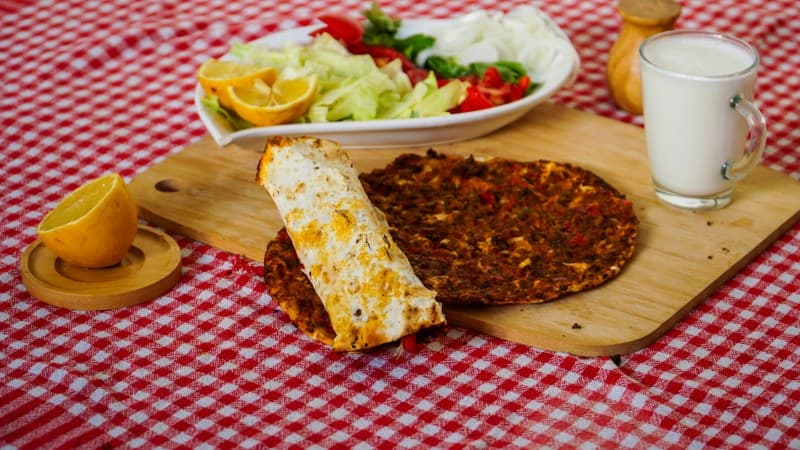
Last year, I traveled to Mexico City, determined to eat ‘authentic’ tacos. I spent hours scrolling TripAdvisor for top-rated spots, only to end up at a crowded street stall near my Airbnb after a local vendor waved me over. The tacos al pastor there were crispy, juicy, and cheaper than any restaurant option. That day, I realized I’d been falling for myths about what makes food ‘authentic’ while traveling.
7 Myths About Authentic Local Food Travel (And Their Truths)
Let’s break down the most common myths and set the record straight:
| Myth | Reality |
|---|---|
| Authentic food is only in fancy, high-priced restaurants. | Street stalls and family-run hole-in-the-wall spots are often the most authentic—they’ve been making dishes the same way for generations. |
| You need to order "exotic" dishes to get an authentic experience. | Simple, everyday dishes (like a local’s favorite breakfast or snack) are often the most revealing of a culture’s food identity. |
| Tourist areas have the best authentic food. | Tourist areas often adapt dishes to suit foreign tastes—head to residential neighborhoods for unmodified local flavors. |
| Street food is unsafe to eat. | Street food vendors with long lines of locals are usually safe—they turn over food quickly, keeping it fresh. |
| You have to know the local language to order authentic food. | Gestures, pointing, or using translation apps work just fine—locals love helping travelers try their favorite dishes. |
| Authentic food is always spicy. | Spice levels vary widely—many local dishes are mild, savory, or sweet, depending on the region. |
| You need to spend a lot to eat well locally. | Some of the best local meals cost less than $5—think street tacos, pho, or samosas from a market stall. |
💡 Budget-Friendly Hacks to Eat Like a Local
Once you’ve ditched the myths, these simple hacks will help you find great food without breaking the bank:
- Follow the locals: If a spot has a long line of locals (not tourists), it’s a good sign. They know where the best food is.
- Eat where the workers eat: Look for small eateries near offices or markets—these are often cheap and delicious, designed for people on a budget.
- Try market snacks: Local markets are goldmines for affordable, authentic treats. Think fresh fruit, baked goods, or savory bites like empanadas or spring rolls.
- Learn 1-2 key phrases: Even saying "what’s your favorite dish?" (in the local language) can lead to amazing recommendations.
"Food is everything we are. It's an extension of nationalist feeling, ethnic feeling, your personal history, your province, your region, your tribe, your grandma." — Anthony Bourdain
This quote hits home because every local dish tells a story. When you eat at a family-run stall, you’re not just getting food—you’re getting a piece of their heritage.
🍜 A Story of Finding Authentic Ramen in Tokyo
On a trip to Tokyo, I was determined to find real ramen. I’d read that tourist spots in Shinjuku were overpriced and watered down, so I asked a convenience store clerk where he ate after work. He smiled and wrote down an address in a quiet neighborhood.
When I arrived, the shop was tiny—only 6 seats at the counter. The owner, a man named Tanaka-san, didn’t speak English, but he gestured for me to sit. He served me a bowl of shoyu ramen with rich, simmered broth and springy noodles. It was the best ramen I’ve ever had, and it cost half the price of tourist spots. Before I left, Tanaka-san gave me a small jar of his homemade chili oil— a little gift that made the experience even more special.
❓ Common Question: Do I Need to Speak the Local Language?
Q: I don’t speak the local language—can I still find great authentic food?
A: Definitely! You don’t need to be fluent. Simple gestures like pointing to a dish someone else is eating, or using Google Translate to ask "local favorite?" work wonders. I once found a delicious pho shop in Hanoi by smiling and pointing to a bowl a nearby table was enjoying. The owner even added extra herbs to my bowl—no words needed.
Traveling for food is one of the best ways to connect with a place. By letting go of myths and using these simple hacks, you can have unforgettable meals that are both authentic and budget-friendly. Remember: the best food is often found off the beaten path, shared with locals who love their culture’s cuisine.