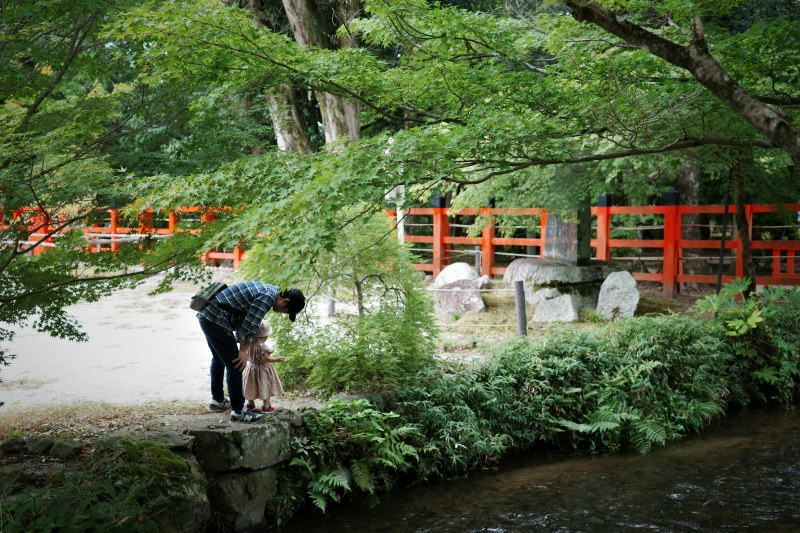
Last year, I visited Kyoto expecting to spend my days hopping from Fushimi Inari to Kinkaku-ji. But on my third day, I joined a miso-making workshop in a small family home. The grandmother taught me to stir the fermented paste while her grandson laughed at my clumsy motions. By the end, I left with a jar of miso and a memory far more vivid than any temple photo. That’s the magic of cultural immersion—it’s not just seeing a place, but living a piece of it.
The Two Core Approaches to Cultural Immersion
1. Participatory Workshops & Activities
These hands-on experiences let you learn a local skill or tradition directly from practitioners. Think cooking classes in Thailand where you knead pad thai noodles, weaving workshops in Peru where you create a traditional textile, or tea ceremonies in Japan where you master the art of matcha preparation. They’re structured, engaging, and leave you with a tangible skill or souvenir.
2. Community-Focused Stays
Staying with locals—whether in a homestay, family-run guesthouse, or farm stay—lets you step into daily life. You might help prepare breakfast with your host, join them on a trip to the market, or listen to stories about their family’s history. It’s a slow, unscripted way to understand a culture from the inside.
Here’s how these two approaches stack up:
| Approach | Pros | Cons | Ideal For |
|---|---|---|---|
| Participatory Workshops | Structured learning, tangible takeaway, quick connection with locals | May feel touristy if not curated, limited time with hosts | Short trips, skill enthusiasts |
| Community Stays | Deep, long-term connections, insight into daily life, affordable options | Requires flexibility, may feel overwhelming for introverts | Longer trips, those wanting to live like a local |
Debunking Common Immersion Myths
Myth 1: You need to speak the local language.
Truth: In Bali, I joined a rice farming activity with a guide who spoke basic English. We communicated through gestures, smiles, and a shared love of getting our hands dirty. Language is helpful, but curiosity and openness bridge gaps.
Myth 2: It’s too expensive.
Truth: Many workshops cost $20–$30, and homestays are often cheaper than hotels. For example, a homestay in Vietnam’s Mekong Delta costs around $15 per night, including meals and a tour of the family’s farm.
A Timeless Quote on Travel
The world is a book, and those who do not travel read only one page. — Saint Augustine
This quote reminds us that travel isn’t just about checking off landmarks. It’s about turning the pages of the world’s book by engaging with its people and traditions. Immersion is the way to read beyond the surface.
Quick FAQ
Q: Can I have an authentic immersion experience even if I only have a day?
A: Absolutely! In Mexico City, a half-day tortilla-making class with a local family taught me about their culinary heritage and left me with a new appreciation for corn. You don’t need weeks—just intentionality.
Cultural immersion isn’t about being perfect. It’s about showing up with curiosity and an open heart. Whether you’re stirring miso in Kyoto or making tortillas in Mexico City, these small moments will turn your trip into something unforgettable.