Imagine Sarah: a 32-year-old who loves weekend 5Ks and weekly volleyball games. She’s been feeling sorer than usual lately, so she skips workouts some weeks to ‘rest’—but the stiffness just won’t go away. Sound familiar? If you’re a casual athlete, you might be missing a key piece of the puzzle: active recovery.
What Is Active Recovery, Anyway?
Active recovery is low-intensity movement that helps your body recover without straining muscles. Think of it as a middle ground between intense workouts and doing nothing. It’s not about pushing harder—it’s about keeping blood flowing to help your muscles repair and reduce soreness.
6 Key Things Every Casual Athlete Should Know
- It boosts blood circulation: Low-intensity movement (like a walk or gentle yoga) gets blood flowing to sore muscles, helping remove lactic acid and speed up repair.
- It’s not ‘lazy’ rest: Contrary to popular belief, active recovery isn’t a cop-out. It’s a purposeful way to support your body without overdoing it.
- It can be fun: You don’t have to do boring stretches—try a casual bike ride, a swim, or even a dance party in your living room.
- It prevents stiffness: Skipping movement entirely can make muscles tight and stiff. Active recovery keeps joints mobile and flexible.
- It fits your schedule: You don’t need hours—15-20 minutes a day is enough to see benefits.
- It’s customizable: Pick activities you enjoy! If you hate yoga, try a walk in the park or foam rolling.
Active vs. Passive Recovery: Which Is Better?
Wondering when to choose active over passive recovery? Here’s a quick comparison:
| Type | Intensity | Key Benefits | Best For |
|---|---|---|---|
| Active Recovery | Low (e.g., walking, yoga) | Boosts blood flow, reduces stiffness, improves mobility | Post-hard workouts, regular rest days |
| Passive Recovery | None (e.g., sleeping, lying down) | Allows muscles to repair deeply, reduces fatigue | After injury, extreme fatigue, or very long workouts |
A Classic Take on Rest
“Rest is not idleness, and to lie sometimes on the grass under trees on a summer’s day, listening to the murmur of the water, or watching the clouds float across the sky, is by no means a waste of time.” — John Lubbock
This quote reminds us that rest (including active recovery) is an important part of any fitness routine. It’s not about being lazy—it’s about giving your body the care it needs to perform better.
Real-Life Example: Sarah’s Turnaround
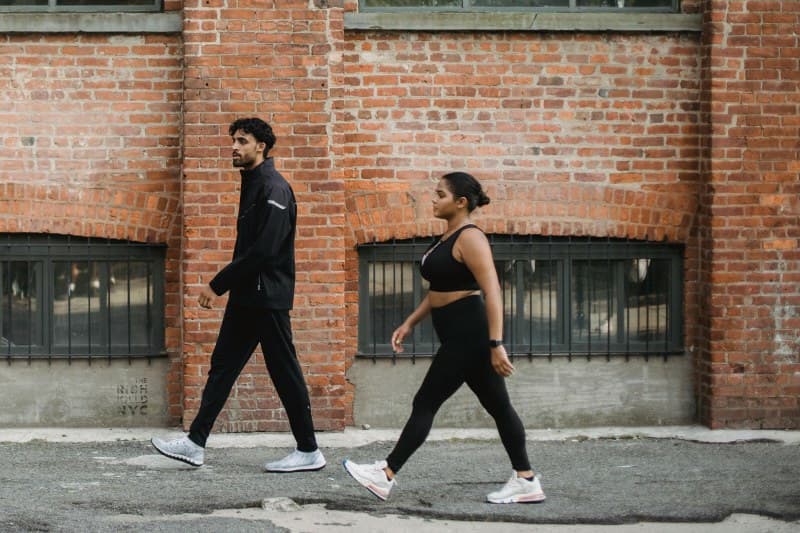
Sarah decided to try active recovery. After her weekend 5K, she took a 20-minute walk instead of collapsing on the couch. On rest days, she did 15 minutes of gentle yoga. Within two weeks, her soreness was gone, and she could play volleyball without feeling stiff. She even started looking forward to her recovery days!
FAQ: Your Active Recovery Questions Answered
Q: Can I do active recovery every day?
A: Yes! As long as it’s low-intensity and doesn’t replace your regular workouts. For example, a 15-minute stretch or walk daily is perfectly safe and beneficial.
Practical Active Recovery Ideas for Casual Athletes
- 🌳 A 20-minute walk in the park
- 🧘 Gentle yoga (focus on stretching tight areas)
- 🚴 Slow bike ride around the neighborhood
- 🏊 Lap swimming at a leisurely pace
- 🧶 Foam rolling (target legs, back, and shoulders)
- 💃 Dance to your favorite playlist (no pressure to perform—just move!)
Remember: Active recovery is about listening to your body. If something feels too hard, scale it back. The goal is to feel better, not worse.