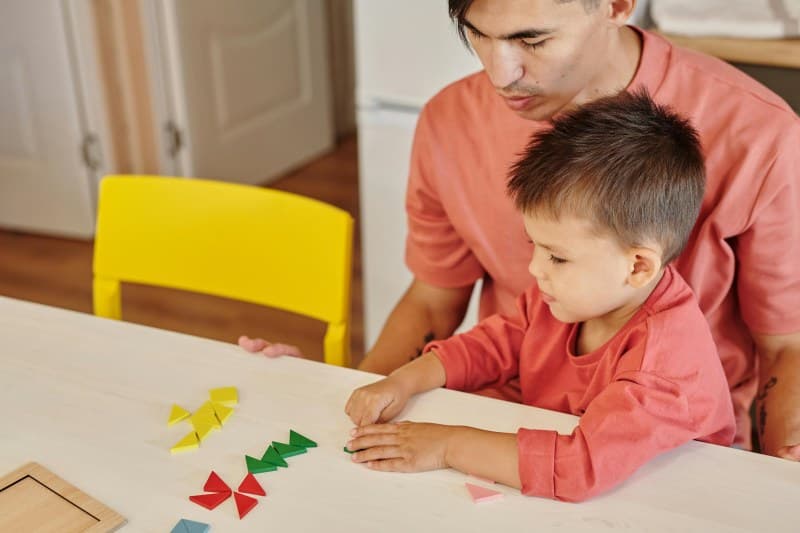
Rushing through mornings, juggling work deadlines, and wrapping up homework—life often feels like a race. It’s easy to skip the small, unplanned moments with our kids, but those are the ones that stick. The 10-second high-five before school, the bedtime chat about their favorite game, the sticky note in their lunchbox—these tiny acts build a foundation of trust and love that lasts.
Why Small Habits Beat Grand Gestures
We all dream of perfect family vacations or big birthday parties, but research shows that consistent daily interactions have a bigger impact on parent-child bonds. Kids remember the daily check-ins more than the once-a-year trip. They feel seen when you ask about their Lego project or their friend’s new pet—even if it’s just for a minute.
Here’s a quick look at three key habits and their impact:
| Habit | Effort Level | Time Needed | Impact |
|---|---|---|---|
| Morning High-Five + Quick Question | Low | 30 seconds | Boosts mood and opens communication for the day |
| Bedtime Chat (No Screens) | Medium | 5-10 minutes | Builds emotional safety and lets kids share worries |
| Dinner Win Circle | Low | 2 minutes | Fosters positivity and teaches listening skills |
“I've learned that people will forget what you said, people will forget what you did, but people will never forget how you made them feel.” — Maya Angelou
This quote sums it up: These small habits make kids feel loved and valued. They don’t need expensive toys or fancy outings—they need your attention.
Real Story: The 5-Minute Morning Chat
Sarah, a working mom of a 14-year-old son, used to rush him out the door every morning. One day, she noticed he was glued to his phone, talking about a new video game. Instead of nagging him to hurry, she asked, “What’s the coolest thing about that game?” He lit up and talked for 5 minutes. Now, that chat is a daily ritual. Her son started opening up about school stress too—something he never did before.
7 Small Habits to Try Today
- Morning High-Five + Quick Question: Ask, “What’s one thing you’re excited about today?” or “Any fun plans after school?”
- Snack Time Share: While making a snack, ask about a small moment from their day—like a funny joke a friend told.
- Bedtime Chat: For toddlers, read a story; for teens, talk about their favorite show or a problem they’re facing (no screens allowed).
- Copycat Game: Do what they’re doing—color, play a video game, or build blocks—for 10 minutes. No agenda, just fun.
- Dinner Win Circle: Everyone shares one good thing that happened that day. Even “I found a cool rock” counts!
- Sticky Note Surprise: Leave a positive message on their lunchbox or bedroom door—like “You’re awesome!” or “Can’t wait to hear about your day.”
- Walk Together: Take a 10-minute walk after dinner. Talk about anything—clouds, their favorite song, or nothing at all.
Adapting Habits for Different Ages
Not all habits work for every age. Here’s how to adjust:
- Toddlers: Sing a song while getting dressed or point out birds on a walk.
- School-age: Play a quick word game during breakfast (like “I spy”) or help them with a small project.
- Teens: Send a funny meme or text during the day, or ask about their favorite YouTuber. They love casual, low-pressure interactions.
Common Question: What If My Child Isn’t Interested?
Q: My kid seems uninterested in these habits. Should I stop trying?
A: Don’t push it. Start with one habit that aligns with their interests. If they love sports, ask about their practice instead of a generic question. Consistency matters more than perfection—they’ll warm up over time. Remember, it’s about showing up, not being perfect.
At the end of the day, parent-child bonds are built one small moment at a time. You don’t need to be a super parent—just a present one. Try one habit this week and see how it goes. You might be surprised at the difference it makes.