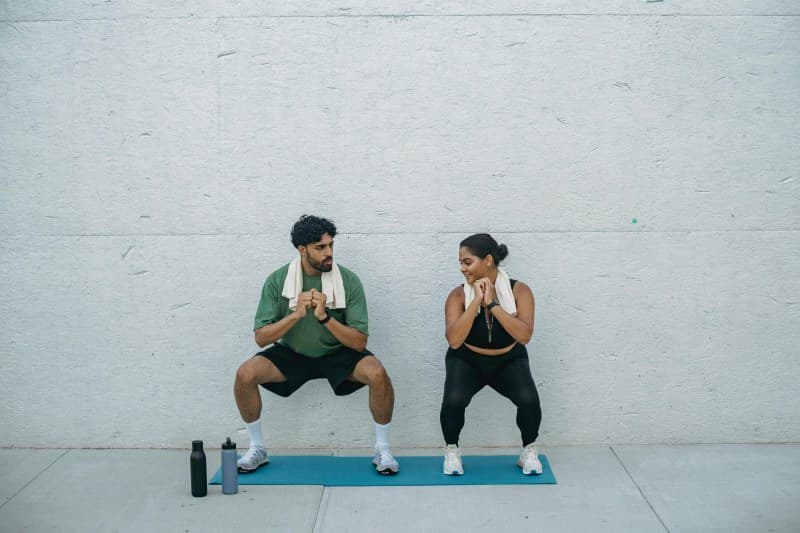
Last month, my friend Mia crushed a leg day workout—squats, lunges, and deadlifts until her muscles burned. She immediately chugged a protein shake, then crashed on the couch for three hours, convinced she was “recovering like a pro.” But by the next morning, her legs were so stiff she could barely climb stairs. She’d fallen for one of the most persistent post-workout recovery myths: that more passive rest equals better results. Let’s debunk 7 such myths and replace them with science-backed truths to help you bounce back faster.
7 Myths vs. Truths: Post-Workout Recovery
Here’s a quick breakdown of the most common myths and what research actually says:
| Myth | Science-Backed Truth |
|---|---|
| You need to ice every sore muscle immediately. | Ice can reduce swelling, but recent studies show it may slow muscle growth by limiting inflammation (a key part of repair). Use it only for acute injuries, not general soreness. |
| Protein shakes are the only way to get post-workout fuel. | Whole foods like Greek yogurt, eggs, or a peanut butter sandwich work just as well (if not better) for muscle repair—they add fiber and nutrients too. |
| Passive rest (couch time) is best for recovery. | Active recovery (walking, yoga, swimming ) boosts blood flow to muscles, helping them repair faster than sitting still. |
| You should stretch intensely right after a workout. | Static stretching (holding a pose) can reduce muscle strength temporarily. Save it for post-recovery or warm-ups; dynamic stretches are better post-workout. |
| More sleep = better recovery (no matter how you sleep). | Quality matters more than quantity. Deep, uninterrupted sleep (7-9 hours) is key—light sleep won’t help muscles repair as effectively. |
| Hydration only matters during workouts. | Dehydration slows recovery by reducing nutrient delivery to muscles. Drink water before, during, and after exercise (add electrolytes for long workouts). |
| You need a “rest day” with zero movement. | Rest days don’t mean no activity—light movement (like a walk) keeps blood flowing and prevents stiffness without straining muscles. |
Why Recovery Matters: A Classic Perspective
“Rest is not idleness, and to lie sometimes on the grass under trees on a summer’s day, listening to the murmur of the water, or watching the clouds float across the sky, is by no means a waste of time.” — John Lubbock
Lubbock’s words remind us that recovery isn’t about being lazy—it’s about giving your body the time and space to heal. Whether it’s a walk in the park or a nap, intentional rest (active or passive) is just as important as the workout itself.
Common Q&A: Your Recovery Questions Answered
Q: Do I need to take a full day off from exercise every week?
A: It depends on your fitness level and workout intensity. For most people, 1-2 days of lighter activity (active recovery) is better than a full day of inactivity. If you’re doing high-intensity training (like CrossFit), a full rest day may be necessary to avoid overtraining.
Practical Recovery Tips to Try Today
- 💡 Swap passive rest for a 20-minute walk after your workout to boost blood flow.
- 💧 Drink a glass of water with electrolytes (like lemon and salt) post-exercise to rehydrate.
- 😴 Aim for 7-9 hours of deep sleep—try turning off screens 30 minutes before bed to improve quality.
By ditching these myths and following science-backed recovery practices, you’ll not only feel better but also see faster progress in your fitness journey. Remember: recovery is part of the workout, not an afterthought.