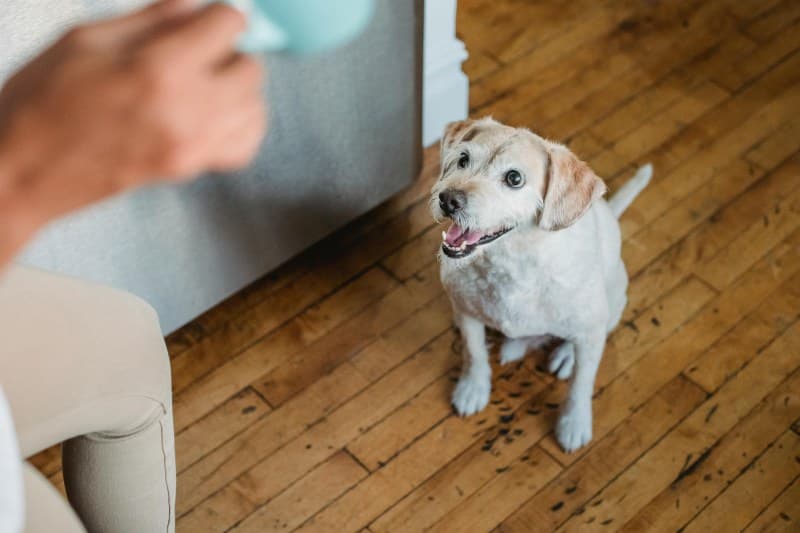
Last month, I found a line of ants marching across my kitchen counter while my golden retriever, Max, sniffed around. I reached for the bug spray, then froze— the label warned it was toxic to pets. That’s when I started researching pet-friendly DIY solutions: no harsh chemicals, no vet visits, just simple, natural ways to keep pests out. Here are 7 methods I tested (and Max approved of).
Why Pet-Friendly Pest Control Matters
Pets are curious creatures— they lick floors, chew on plants, and roll in grass. Harsh chemical pesticides can cause vomiting, skin irritation, or even more serious health issues. Natural methods use ingredients you probably already have at home, so you don’t have to worry about your furry friend getting sick.
7 Pet-Safe DIY Pest Control Methods
Below is a breakdown of each method, including what pests they target, pros, cons, and easy steps to try:
| Method | Target Pests | Pros | Cons | Step-by-Step |
|---|---|---|---|---|
| Food-Grade Diatomaceous Earth | Fleas, ants, bed bugs | Non-toxic, long-lasting | Needs to stay dry to work | 1. Sprinkle thin layer on carpets, pet beds, or garden soil. 2. Leave for 24-48 hours. 3. Vacuum up. |
| Vinegar Spray | Ants, spiders | Cheap, easy to make | Strong smell (fades quickly) | 1. Mix 1 part white vinegar with 1 part water. 2. Spray on ant trails or spider webs. 3. Reapply weekly. |
| Citrus Peels | Ants, aphids, cats (to keep off plants) | Eco-friendly, smells fresh | Needs frequent replacement | 1. Place orange/lemon peels around garden beds or kitchen corners. 2. Replace every 3-4 days. |
| Essential Oil Mixture (Lavender/Peppermint) | Mosquitoes, fleas, mice | Pleasant scent, repels multiple pests | Some oils are toxic to cats (check first) | 1. Mix 10 drops of oil with 1 cup water. 2. Spray on curtains, pet beds (avoid cat areas if using peppermint). 3. Reapply every 2 weeks. |
| Beer Traps | Slugs, snails | Effective, uses leftover beer | Attracts slugs (needs to be checked daily) | 1. Bury a small container (like a yogurt cup) in garden soil. 2. Fill with beer to 1 inch below the rim. 3. Empty and refill every 2 days. |
| Coffee Ground Barriers | Slugs, ants | Recycles coffee grounds, adds nutrients to soil | Needs thick layer to work | 1. Spread used coffee grounds around garden plants. 2. Reapply after rain. |
| Neem Oil Spray | Aphids, mealybugs, mites | Organic, safe for most pets | Can burn plants if applied in direct sun | 1. Mix 1 tsp neem oil with 1 cup water and 1 tsp dish soap. 2. Spray on plant leaves (underside too). 3. Reapply every 7-10 days. |
“An ounce of prevention is worth a pound of cure.” — Benjamin Franklin
This old saying hits home for pet-friendly pest control. By using these natural methods regularly, you can stop small pest problems before they turn into big ones— without risking your pet’s health.
Real-Life Success Story
My friend Sarah had a flea problem in her living room. Her cat, Luna, kept scratching, and Sarah was worried about using chemical flea treatments. She tried food-grade diatomaceous earth: sprinkled it on her couch (Luna’s favorite spot) and left it overnight. The next day, she vacuumed it up— and no more fleas! Luna didn’t even notice the powder, and Sarah felt relieved knowing she wasn’t exposing her pet to toxins.
FAQ: Common Questions
Q: Can these methods handle severe pest infestations?
A: For small to moderate infestations (like a few ant trails or fleas), yes. But if you have a severe problem (like termites or a bed bug infestation), you should call a professional who specializes in pet-safe pest control. These DIY methods are great for regular maintenance.
Q: Are all essential oils safe for pets?
A: No. Peppermint and tea tree oil are toxic to cats, so avoid using them around feline friends. Lavender is safe for most dogs and cats in small amounts, but always test a small area first.
Final Tips
Remember to always test any new method in a small, hidden area first (like a corner of your carpet or a single plant) to make sure it doesn’t cause damage. And keep an eye on your pet after trying a new method— if they show any signs of discomfort (like itching or vomiting), stop using it immediately.
With these 7 pet-friendly methods, you can keep your home and garden pest-free while keeping your furry family members safe. Happy pest hunting!