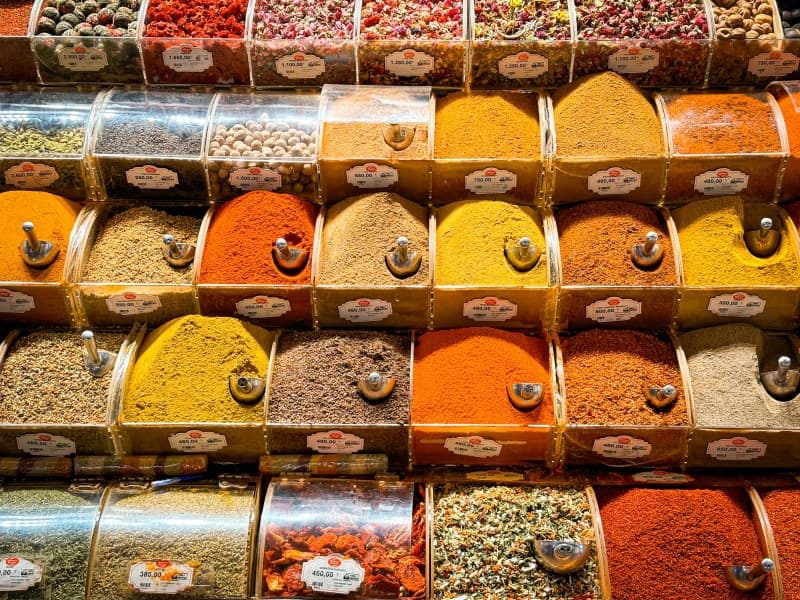
Last week, I tried to whip up a hearty chili and made a classic mistake: I dumped a handful of ground cumin into the pan without toasting it first. The result? A bitter, flat flavor that left my chili tasting like something from a can. That’s when I realized how easy it is to mess up spices—even small missteps can turn a great dish into a dud.
7 Spice Mistakes You’re Probably Making (And How to Fix Them)
- Not toasting whole spices: Whole spices like cumin seeds or coriander need to be toasted to release their essential oils. Fix: Heat a dry pan over medium heat, toss the spices for 1-2 minutes until fragrant (don’t burn them!).
- Using expired spices: Spices lose flavor over time—old paprika won’t give you that vibrant red color or smoky taste. Fix: Check expiration dates and replace dried spices every 1-2 years.
- Adding ground spices too early: Ground spices burn quickly, leading to a bitter aftertaste. Fix: Add them in the last 10-15 minutes of cooking for maximum flavor.
- Overusing strong spices: Spices like cloves or cardamom are potent—too much can overpower your dish. Fix: Start with a pinch, taste, then adjust.
- Storing spices near heat: Heat from the stove or oven kills the flavor of spices. Fix: Store them in a cool, dark cabinet away from the cooktop.
- Not grinding whole spices fresh: Pre-ground spices are less potent than freshly ground ones. Fix: Use a mortar and pestle or a small spice grinder for fresh, bold flavor.
- Mixing up similar spices: Cumin vs coriander, paprika vs chili powder—easy to confuse! Fix: Label jars clearly and smell before using to confirm.
Fresh vs Dried Spices: Which to Use When?
Confused about whether to reach for fresh or dried spices? Here’s a quick comparison to help:
| Spice | Fresh Use Case | Dried Use Case |
|---|---|---|
| Turmeric | Fresh root for smoothies or mild curries | Dried powder for robust, earthy dishes like lentil soup |
| Cinnamon | Sticks for infusions (tea, stews, or mulled wine) | Powder for baking cookies or sprinkling on oatmeal |
| Paprika | Fresh peppers (roasted for smoky, sweet flavor) | Dried powder for color and mild heat in chili or deviled eggs |
Wisdom from the Kitchen
“Spices are the soul of any dish—they turn the ordinary into the extraordinary.” — Indian Cooking Proverb
This proverb hits home because spices add depth, aroma, and personality to even the simplest meals. A basic tomato sauce becomes memorable with a pinch of oregano and a dash of red pepper flakes.
Common Q&A
Q: Should I store spices in the fridge?
A: Most dried spices don’t need refrigeration—they can absorb moisture and clump. Fresh spices like ginger or turmeric root are the exception; keep them in the fridge to extend their life.
Final Thoughts
Spices are your secret weapon in the kitchen, but using them right takes a little practice. Next time you cook, try toasting your whole cumin seeds before grinding, or add ground spices later in the process. You’ll notice a world of difference in the flavor of your dishes—promise!