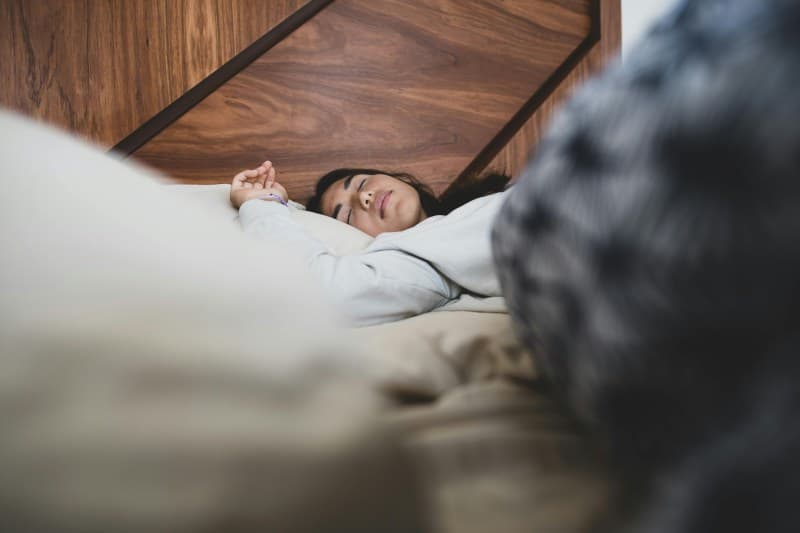
Let’s start with Sarah: She’s a night owl who’s spent years forcing herself to go to bed at 10 PM because she thinks 8 hours of sleep is non-negotiable. Most nights, she lies awake staring at the ceiling, then drags herself out at 6 AM feeling groggy. Sound familiar? Chances are, Sarah’s falling for one of the many sleep myths that keep people from getting the rest they need.
The 7 Sleep Myths Holding You Back
We’ve all heard them—old wives’ tales, outdated advice, or just plain misinformation. Let’s break down the most common ones and what science actually says.
Myth 1: Everyone Needs Exactly 8 Hours of Sleep
Truth: The National Sleep Foundation recommends 7-9 hours for adults, but individual needs vary. Some people (like short sleepers) thrive on 6 hours, while others need 10. Sarah, for example, found that she feels best with 7.5 hours—so forcing 8 was just making her toss and turn.
Myth 2: Early to Bed = Early to Rise = Healthy
Truth: Your circadian rhythm (internal clock) plays a big role. Night owls have a natural cycle that makes them alert later, so forcing early sleep can disrupt their rest. A 2021 study found that night owls who follow their natural schedule have better mental health than those who try to be early birds.
Myth 3: Napping Makes You Lazy
Truth: Short naps (15-20 minutes) boost productivity and focus. A 20-minute power nap can help you recharge without leaving you groggy. Just avoid long naps (over 30 minutes) which can interfere with nighttime sleep.
Myth 4: Alcohol Helps You Sleep Better
Truth: Alcohol may help you fall asleep faster, but it disrupts deep sleep (the restorative stage). You’ll likely wake up multiple times during the night without realizing it. Try skipping that nightcap—you’ll wake up more refreshed.
Myth 5: Counting Sheep Works
Truth: This old trick is actually pretty ineffective. A 2002 study found that people who visualized calming scenes (like a beach or forest) fell asleep faster than those who counted sheep. The key is to relax your mind, not bore it.
Myth 6: You Can “Catch Up” on Sleep Over the Weekend
Truth: While a little extra sleep on weekends can help, it won’t fix a long-term sleep deficit. Irregular sleep schedules (like staying up late on weekends) can disrupt your circadian rhythm, making it harder to sleep during the week. Consistency is key.
Myth 7: Screen Time Before Bed Is Only Bad Because of Blue Light
Truth: Blue light does suppress melatonin (the sleep hormone), but the mental stimulation from scrolling social media or watching a show is just as harmful. Unplugging 1 hour before bed gives your brain time to wind down.
Myth vs. Truth: A Quick Comparison
Here’s a snapshot of 3 common myths and their science-backed fixes:
| Myth | Truth | Fix |
|---|---|---|
| Everyone needs 8 hours | 7-9 hours is normal, but individual needs vary | Track your sleep for a week to find your sweet spot |
| Alcohol helps sleep | Disrupts deep sleep | Avoid alcohol 3+ hours before bed |
| Counting sheep works | Visualizing calm scenes is more effective | Try imagining a peaceful place (like a quiet lake) to relax |
What the Experts (and Classics) Say
“Early to bed and early to rise makes a man healthy, wealthy, and wise.” — Benjamin Franklin
Franklin’s quote is iconic, but it’s not one-size-fits-all. Night owls shouldn’t feel guilty for staying up later—what matters is getting enough consistent sleep, no matter your schedule. As sleep researcher Dr. Matthew Walker says: “Sleep is the single most effective thing you can do to reset your brain and body health.”
Common Q&A: Your Sleep Questions Answered
Q: Is it okay to take a nap if I didn’t sleep well last night?
A: Yes! A short power nap (15-20 minutes) can help you recharge without interfering with nighttime sleep. Just avoid napping after 3 PM—this can make it harder to fall asleep at night.
Final Thoughts
Sleep doesn’t have to be complicated. By letting go of these myths and listening to your body, you can get the rest you need. Remember: There’s no “perfect” sleep routine—what works for one person may not work for another. So take Sarah’s example: She stopped forcing early sleep, started going to bed at 11 PM, and woke up at 6:30 AM feeling refreshed. Sometimes, the best fix is unlearning the myths that hold you back.