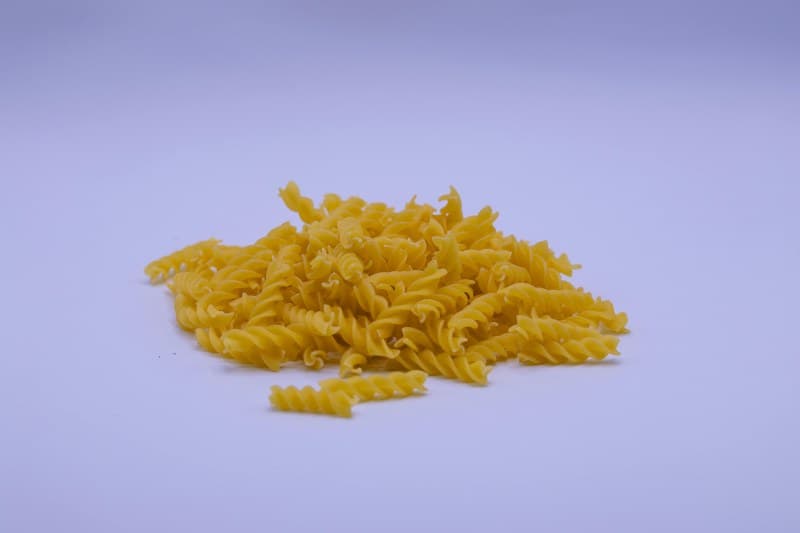
Let’s be honest—we’ve all been there. You boil a pot of water, throw in the pasta, and end up with either mushy noodles or ones that stick together like glue. I remember my first attempt at making carbonara: I overcooked the spaghetti so bad it turned into a clumpy mess, and I forgot to salt the water. It tasted like nothing. But once I learned these 7 common mistakes, my pasta game changed forever.
7 Pasta Mistakes & Their Easy Fixes
Here’s a breakdown of the most frequent errors and how to avoid them:
| Mistake | Fix | Why It Matters |
|---|---|---|
| Not using enough water | Use 4–6 quarts of water per pound of pasta | Prevents noodles from sticking and ensures even cooking |
| Forgetting to salt the water | Add 1–2 tbsp of salt (water should taste like seawater) | Seasons the pasta internally—you can’t fix this later! |
| Overcooking the pasta | Cook 1–2 minutes less than package instructions; test for al dente | Al dente noodles hold sauce better and have a satisfying texture |
| Not stirring immediately after adding pasta | Stir gently for the first 2–3 minutes | Stops noodles from clumping together |
| Draining all the pasta water | Reserve 1–2 cups of starchy water before draining | Starchy water helps thicken and emulsify sauces (like pesto or carbonara) |
| Rinsing pasta after draining | Skip rinsing (unless making cold pasta salads) | Rinsing removes starch that helps sauce stick to noodles |
| Adding oil to the water | Don’t add oil—stir instead | Oil coats noodles and prevents sauce from sticking |
A Classic Wisdom to Remember
“Cooking is like love—it should be entered into with abandon or not at all.” – Harriet Van Horne
This quote reminds me that rushing through pasta steps (like skipping salt or overcooking) takes away from the love of the dish. Taking a little extra time to do it right makes all the difference.
Real-Life Example: Fixing the Carbonara Disaster
After my first carbonara fail, I tried again. This time, I used enough water, salted it well, stirred the pasta immediately, and reserved some starchy water. When I mixed the eggs and cheese into the hot pasta, I added a splash of the reserved water to make the sauce creamy. The result? Perfectly al dente noodles coated in a rich, silky sauce. My friends couldn’t believe it was homemade!
FAQ: Your Pasta Questions Answered
Q: Can I cook pasta ahead of time?
A: Yes! Cook it al dente, drain (don’t rinse), toss with a little olive oil, and refrigerate for up to 2 days. Reheat in a pan with sauce and a splash of water.
Q: Is it okay to use store-bought pasta instead of fresh?
A: Absolutely! Store-bought dried pasta is designed to hold sauces well. Just follow the package instructions (adjusting for al dente) and you’ll get great results.
Final Tips for Perfect Pasta Every Time
- Always read the package instructions—but don’t follow them blindly (test for al dente).
- Pair the right pasta shape with your sauce: long noodles (spaghetti) for thin sauces, short shapes (penne) for chunky ones.
- Finish cooking the pasta in the sauce pan for 1–2 minutes to let it absorb the flavors.
With these fixes, you’ll never have a pasta disaster again. Happy cooking! 🍝