Sarah’s story is all too familiar. She’d finish work, grab her phone, and scroll social media while lying in bed—only to stare at the ceiling for an hour, wondering why sleep wouldn’t come. What she didn’t realize was that the light from her phone was messing with her body’s natural sleep clock. Light isn’t just something that helps us see; it’s a powerful signal that tells our bodies when to wake up and when to wind down. Let’s dive into 6 surprising ways light affects your sleep, debunk some myths, and share easy fixes you can try tonight.
The Science: Light and Your Circadian Rhythm
Your body’s circadian rhythm is like an internal 24-hour clock. It regulates when you feel awake and sleepy. Light plays the biggest role in setting this clock. When light hits your eyes, it sends a signal to the hypothalamus (a part of your brain) to suppress melatonin—the hormone that makes you sleepy. At night, less light means more melatonin, helping you drift off. But modern life (think phones, TVs, LED lights) often disrupts this natural cycle.
6 Surprising Light Effects on Sleep
Let’s break down how different types of light impact your sleep, plus common myths you might believe:
- Blue Light from Screens Kills Melatonin
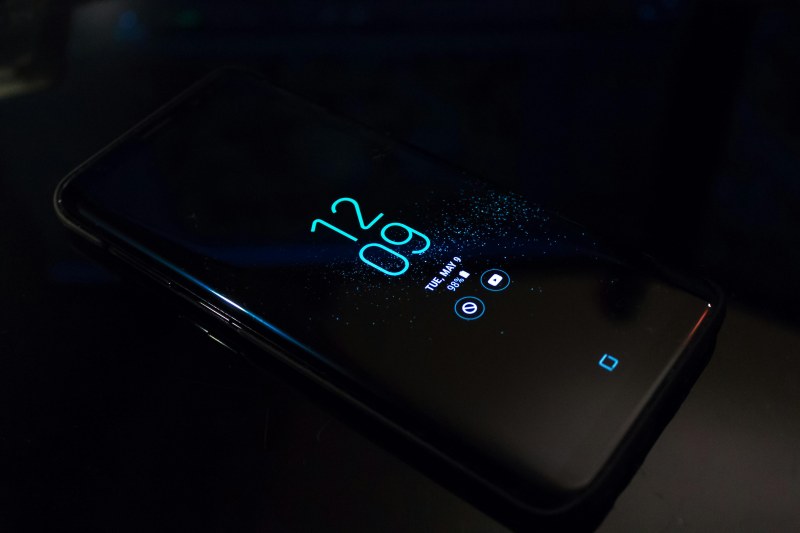
Myth: "Blue light filters on my phone make it safe to use before bed." Truth: Filters reduce some blue light, but not all. A 2020 study found that even with filters, screen time before bed can delay melatonin release by up to 1 hour. Fix: Put your phone away 1-2 hours before sleep, or use a warm lamp instead.
- Morning Natural Light Boosts Alertness
Myth: "Sleeping in on weekends helps me catch up." Truth: Sleeping in disrupts your circadian rhythm. Exposing yourself to 10-15 minutes of natural light within 30 minutes of waking up helps reset your clock, making you more alert during the day and sleepier at night. Fix: Open curtains first thing, or take a short walk outside.
- Warm Light Before Bed Helps You Wind Down
Myth: "Any light before bed is bad." Truth: Warm, dim light (like from a candle or a yellow lamp) doesn’t suppress melatonin as much as cool, bright light. Fix: Swap your LED bedside lamp for a warm, low-wattage bulb.
- Night Lights Can Disrupt Deep Sleep
Myth: "Night lights are harmless for kids (and adults)." Truth: Even dim night lights can affect deep sleep, especially blue or white ones. A 2019 study found that people who slept with a night light had more fragmented sleep. Fix: Use a red night light—red light has the least impact on melatonin.
- Artificial Light at Night Increases Risk of Insomnia
Myth: "I can sleep through any light." Truth: Even if you don’t wake up, artificial light at night can disrupt your sleep cycles. Over time, this can lead to insomnia. Fix: Use blackout curtains or an eye mask to block streetlights.
- Light Exposure During Sleep Affects Mood
Myth: "Light only affects sleep quality, not mood." Truth: A 2021 study found that people exposed to light during sleep were more likely to report feelings of depression or anxiety the next day. Fix: Ensure your bedroom is completely dark—no phone charging lights, no TV on standby.
To help you choose the right light for different times of day, here’s a quick comparison:
| Light Type | Best Time to Use | Impact on Sleep | Adjustment Tip |
|---|---|---|---|
| Natural Morning Light | 0-30 mins after waking | Boosts alertness, resets circadian rhythm | Take a walk outside or open curtains |
| Warm Yellow Lamp | 1-2 hours before bed | Minimal melatonin suppression | Use 25-40 watt bulbs |
| Blue Light (Phone/TV) | Avoid before bed | Delays melatonin release | Put devices away or use blue light filters |
| Red Night Light | Nighttime (if needed) | Least impact on sleep | Use dim red bulbs for safety |
"Early to bed and early to rise, makes a man healthy, wealthy, and wise." — Benjamin Franklin
Franklin’s words aren’t just old-fashioned advice—they align with the science of light and sleep. Waking up early to get natural light helps set your circadian rhythm, leading to better sleep at night and more energy during the day.
Quick Q&A: Your Light and Sleep Questions
Q: Can I use a blue light filter on my phone if I have to work late?
A: Yes, but it’s not a perfect solution. Filters reduce blue light, but they don’t eliminate it entirely. If you must work late, try to take breaks every 30 minutes, and use the filter at the highest setting. Also, keep your screen brightness as low as possible.
Q: Is it okay to sleep with a TV on?
A: No. The flickering light from a TV can disrupt your sleep cycles, even if you’re not consciously aware of it. It’s better to turn off the TV and use a red night light if you need light.
Small Changes, Big Sleep Wins
You don’t need to overhaul your entire routine to improve your sleep. Simple changes—like opening curtains in the morning, using a warm lamp before bed, or swapping your night light for a red one—can make a huge difference. Remember, light is a powerful tool—use it wisely to get the rest you deserve.