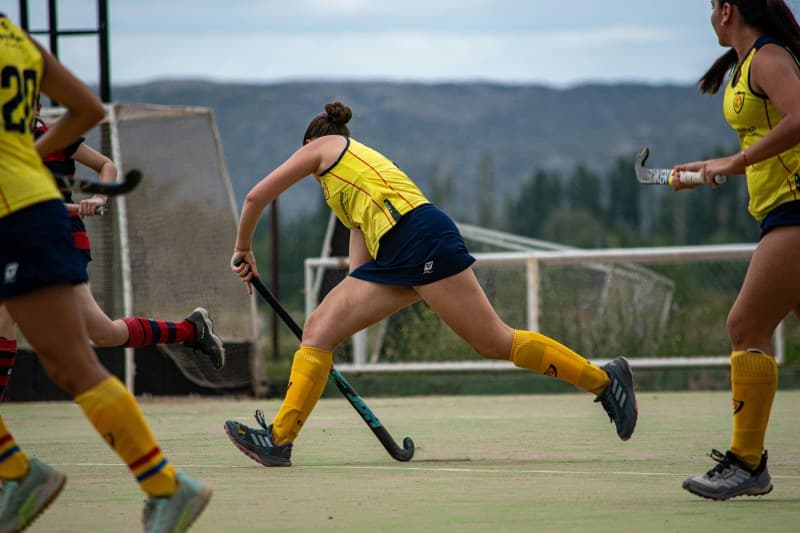
Let’s start with Mia, a college soccer player who swore by "no pain no gain." She pushed through a nagging knee ache for weeks, thinking it was just part of training—until she tore her ACL. Turns out, that pain wasn’t weakness leaving her body; it was her knee screaming for help. Mia’s story isn’t unique: even seasoned athletes buy into myths that can hold them back or cause injury.
6 Sports Myths Debunked
1. "No Pain, No Gain" Is a Rule
Myth: If you’re not sore or in pain, you’re not working hard enough. Truth: Pain is a warning sign, not a badge of honor. Sports medicine experts say soreness (like delayed onset muscle soreness, DOMS) is normal, but sharp or persistent pain means stop. Mia’s ACL tear is a perfect example.
2. Carb Loading Is for Everyone
Myth: All athletes need to load up on carbs before a big event. Truth: Carb loading only helps endurance athletes (like marathon runners) who exercise for 90+ minutes. A soccer player doing a 90-minute game might benefit, but a weightlifter lifting for 45 minutes doesn’t need it—extra carbs can lead to bloating.
3. Stretching Before Workouts Prevents Injury
Myth: Static stretching (holding a pose) before exercise keeps you safe. Truth: Dynamic stretches (like leg swings) are better pre-workout. Static stretching can weaken muscles temporarily, increasing injury risk. Save static stretches for post-workout.
4. You Need to Train Every Day to Improve
Myth: Skipping a day means losing progress. Truth: Rest days are when muscles repair and grow. A study from the American College of Sports Medicine found that athletes who take 1-2 rest days weekly perform better than those who train daily.
5. More Sweat = Better Workout
Myth: The more you sweat, the harder you’re working. Truth: Sweat is your body’s way of cooling down, not a measure of effort. Someone working out in a hot room will sweat more than someone in air conditioning, even if they’re doing the same workout.
6. Lifting Heavy Weights Is the Only Way to Build Muscle
Myth: You need to lift the heaviest weights possible to gain muscle. Truth: Muscle growth (hypertrophy) happens when muscles are challenged, regardless of weight. High-rep, low-weight sets can be just as effective—especially for beginners or those recovering from injury.
Let’s break down each myth vs. the science-backed truth:
| Myth | Truth |
|---|---|
| No pain, no gain | Pain = warning sign; soreness is normal but sharp pain means stop |
| Carb loading for all athletes | Only benefits endurance athletes (90+ min exercise) |
| Static stretching pre-workout prevents injury | Dynamic stretches are better pre-workout; static post-workout |
| Train every day to improve | Rest days are critical for muscle repair and growth |
| More sweat = better workout | Sweat is cooling, not effort; depends on environment |
| Lift heavy to build muscle | High-rep low-weight sets work too; challenge is key |
"The body is your temple. Keep it pure and clean for the soul to reside in." — B.K.S. Iyengar. This wisdom reminds us to listen to our bodies, not push them beyond their limits.
Common Question: Should I Skip Rest Days If I’m Feeling Good?
Q: I feel energized and want to keep training—should I skip my rest day?
A: Even if you feel great, rest days are non-negotiable. Muscles grow during rest, not during workouts. Skipping rest can lead to burnout, overtraining syndrome, or injury. Try active recovery (like walking or yoga) if you can’t stay still.
Final Thoughts: Ditch the Myths, Trust the Science
Sports myths stick around because they’re repeated so often—by coaches, teammates, even social media. But the next time you hear "no pain no gain" or "train every day," remember Mia’s story. Trust your body, follow the science, and you’ll see better results without the risk.