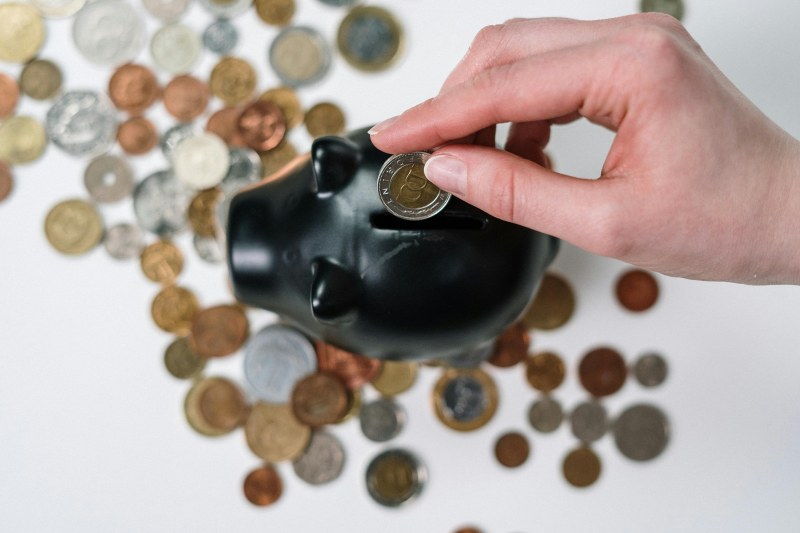
Ever grab a $3 latte on your way to work without thinking? Or toss a few coins into a jar just because? Small daily choices like these might seem insignificant, but over time, they can add up to something meaningful. Let’s break down 6 tiny habits that can help you save more without feeling like you’re sacrificing fun.
6 Small Daily Saving Habits to Try Today 💰
These habits are easy to integrate into your routine—no fancy tools or big lifestyle changes needed:
- Round up purchases: Use apps that round your debit or credit card purchases to the nearest dollar and transfer the difference to savings. For example, a $4.25 snack becomes $5, with $0.75 saved.
- Skip one convenience item weekly: Pick one small luxury (like a coffee, snack, or streaming trial) to skip each week. Over a year, that’s 52 skipped items adding up to extra cash.
- Automate micro-savings: Set up daily transfers of $1-$5 to your savings account. Even $2 a day adds up to $730 a year.
- Use cash for small purchases: When you pay with cash, you’re more aware of how much you’re spending. Try using a $20 bill for daily small buys—once it’s gone, stop spending.
- Cancel unused trials: Those free streaming or subscription trials often auto-renew. Set a reminder to cancel if you don’t use the service.
- Repurpose instead of buying new: Use old jars for storage, mend clothes instead of replacing them, or borrow items from friends instead of purchasing.
Myth vs. Fact: Are Small Savings Worth It? 🤔
Let’s bust some common myths about small daily savings with a quick comparison:
| Myth | Fact | Explanation |
|---|---|---|
| Small savings don’t add up. | They compound over time. | A $2 daily savings at 5% annual interest grows to ~$1,000 in 1 year and ~$4,500 in 5 years. |
| You need to save big amounts to make a difference. | Consistency beats size. | $5 weekly (consistent) is better than $20 once a month (irregular) because it builds a habit and compounds faster. |
| Micro-savings apps are not safe. | Most are FDIC-insured. | Reputable apps like Acorns or Chime offer FDIC coverage for your saved funds, so your money is protected. |
Real-Life Story: Sarah’s $1,200 Coffee Jar 🥤
Sarah, a 28-year-old elementary school teacher, decided to skip her daily $3 coffee run and put the money into a mason jar instead. At first, it felt trivial—just a few dollars here and there. But after 12 months, she counted the jar: $1,095. She then moved the money to a high-yield savings account with 3% interest. A year later, it grew to $1,128. She used the money to take a weekend trip to the beach with her friends. “I never thought skipping coffee would let me take that trip,” she said. “It’s the small, consistent choices that matter.”
FAQ: Your Savings Questions Answered 📝
Q: How do I remember to do these habits daily?
A: Link them to existing routines. For example, round up your purchases right after you pay for something, or put the coffee money in a jar when you make your morning tea at home. Setting phone reminders can also help.
Q: Can I combine multiple habits at once?
A: Yes! Combining round-ups with skipping a weekly convenience item can double your savings rate. Just start with one or two habits to avoid feeling overwhelmed.
Final Note: A Timeless Quote to Keep You Going
The best time to plant a tree was 20 years ago. The second best time is now. — Chinese Proverb
This quote applies perfectly to savings. Even if you start small today, your future self will thank you. Whether it’s $1 a day or skipping a coffee, every little bit adds up. So why not try one of these habits tomorrow?