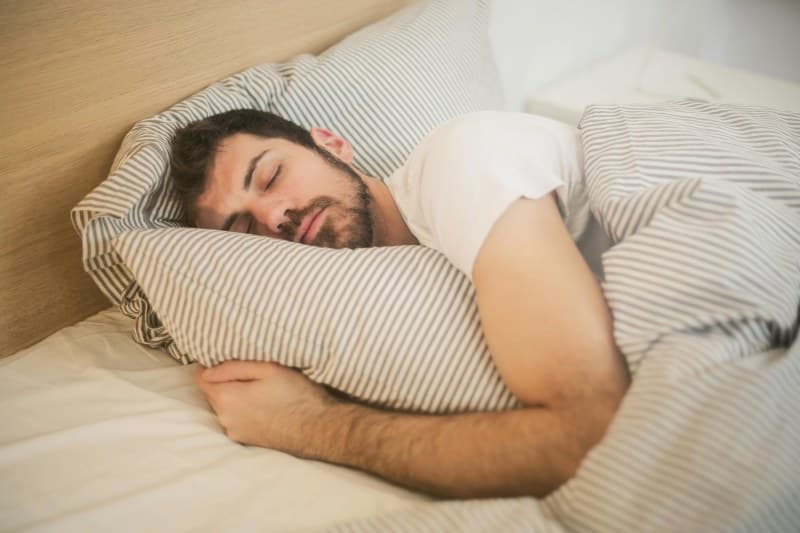
Let’s talk about Sarah. She’s a college student who pulls all-nighters during the week to finish assignments, then crashes for 10 hours on Saturday and Sunday. She thinks she’s “catching up” on sleep—but every Monday, she’s groggy, irritable, and can’t focus in class. Sound familiar? Chances are, Sarah (and maybe you) is falling for one of the many sleep myths that float around.
6 Sleep Myths That Are Holding You Back
Let’s break down the most common myths, their realities, and simple fixes:
| Myth | Reality | Quick Fix |
|---|---|---|
| You can catch up on sleep on weekends. | Weekend sleep binges disrupt your circadian rhythm, leading to "social jet lag." | Stick to the same sleep/wake time every day (even weekends). |
| More sleep = better sleep. | Oversleeping (10+ hours for adults) can cause grogginess and mood swings. | Aim for 7-9 hours of sleep nightly (per CDC guidelines). |
| Counting sheep helps you fall asleep. | It’s repetitive but doesn’t distract your brain from racing thoughts. | Try 4-7-8 breathing (inhale 4s, hold 7s, exhale 8s) to calm your mind. |
| Alcohol helps you sleep better. | Alcohol suppresses deep sleep, leading to frequent awakenings. | Avoid alcohol 3-4 hours before bed. |
| Dark mode on phones is safe before bed. | Blue light (even in dark mode) still suppresses melatonin production. | Put your phone away 1 hour before bed—try a physical book instead. |
| If you can’t sleep, stay in bed until you do. | Staying awake in bed links it to frustration, making it harder to sleep next time. | Get up and do a calm activity (like folding laundry) until you feel sleepy. |
Why These Myths Stick Around
Many sleep myths come from old wives’ tales or misinformation. For example, counting sheep dates back to medieval times, but modern research shows it’s not effective. And while alcohol makes you drowsy, it doesn’t support quality sleep—you might fall asleep faster, but you’ll miss out on the deep, restorative sleep your body needs.
“Early to bed and early to rise makes a man healthy, wealthy, and wise.” — Benjamin Franklin
Franklin’s words ring true today. A consistent sleep schedule (even if you’re not an early bird) is key to feeling your best. Sarah learned this—she started going to bed at 11 PM and waking up at 7 AM every day, even weekends. Within a week, her Monday grogginess was gone, and she could focus better in her morning classes.
Common Sleep Question Answered
Q: Is it okay to take a nap during the day?
A: Yes—if it’s short! A 20-30 minute nap can boost energy without disrupting nighttime sleep. Avoid napping after 3 PM, as it might make it harder to fall asleep at night. If you need a longer nap, try a 90-minute nap (the length of a full sleep cycle) to wake up feeling refreshed instead of groggy.
Sleep is one of the most important parts of your health, but myths can get in the way. By ditching these 6 myths and following the simple fixes, you can get the rest your body and mind need. Remember: small, consistent changes make the biggest difference—you don’t need a complete overhaul to sleep better.