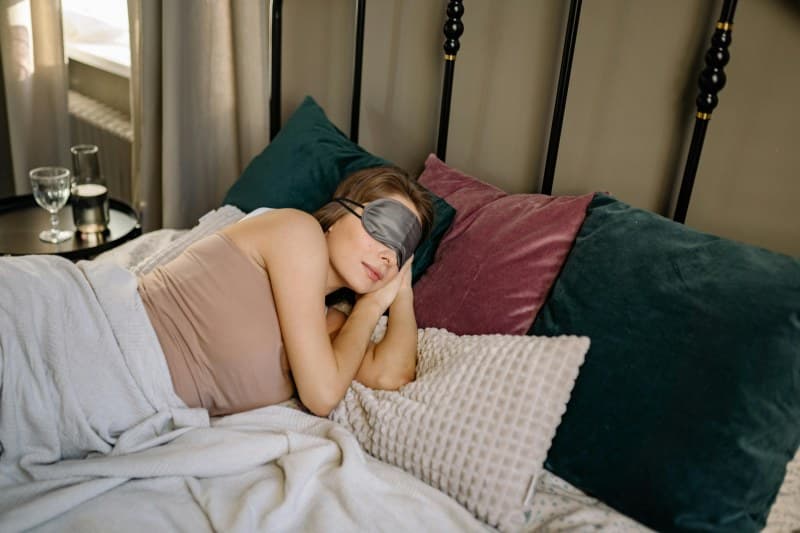
Lila swears she gets 8 hours of sleep every night, but by 3 PM, she’s reaching for her third coffee. She’s tried earlier bedtimes and blackout curtains—nothing sticks. Sound familiar? You might be making one of these 6 sleep habits that quietly drain your energy, even when you log enough hours.
The 6 Energy-Draining Sleep Habits (And Their Fixes)
1. Inconsistent Sleep Schedule (Even On Weekends)
Ever stayed up late Friday and slept in till noon Saturday? That’s social jetlag, and it messes with your circadian rhythm—the internal clock that tells your body when to sleep and wake. When your schedule shifts, your body can’t adjust fast, leading to grogginess.
Fix: Stick to the same sleep and wake times every day (yes, weekends too). Even a 30-minute difference can throw things off.
2. Screen Time 1 Hour Before Bed
Your phone, laptop, or TV emits blue light that suppresses melatonin—the hormone that helps you fall asleep. Staring at screens before bed delays sleep onset and reduces deep sleep quality.
Fix: Swap screens for a book, gentle stretching, or a warm bath. If you must use a device, turn on blue light filters.
3. Eating Heavy Meals Late At Night
A big dinner or snack (think pizza or ice cream) right before bed forces your digestive system to work overtime. This disrupts deep sleep and leaves you feeling tired the next day.
Fix: Avoid large meals 2-3 hours before bed. If you’re hungry, opt for light snacks like a banana or a handful of nuts.
4. Skipping Pre-Sleep Wind-Down Routine
Your brain needs time to switch from “go mode” to “rest mode.” Jumping straight from work or scrolling to bed makes it harder to fall asleep and stay asleep.
Fix: Create a 15-minute routine—try meditation, listening to soft music, or writing down your thoughts to clear your mind.
5. Sleeping In A Room That’s Too Warm
Your body temperature drops slightly to help you fall asleep. A warm room (above 67°F/19°C) hinders this process, leading to restless sleep.
Fix: Keep your bedroom between 60-67°F (15-19°C). Use lighter blankets if needed.
6. Ignoring Snoring Or Sleep Apnea
Loud snoring or pauses in breathing (sleep apnea) mean your body isn’t getting enough oxygen during sleep. This leads to fragmented rest and constant fatigue.
Fix: If snoring is loud or you wake up gasping, talk to a doctor. They can suggest treatments like a CPAP machine or lifestyle changes.
How These Habits Compare: Impact & Fix Ease
Not all habits are equal—some have a bigger impact on your energy, and some are easier to fix. Here’s a quick breakdown:
| Habit | Impact On Energy (1-5, 5 Highest) | Fix Ease (1-5, 5 Easiest) |
|---|---|---|
| Inconsistent Schedule | 5 | 3 |
| Screen Time Before Bed | 4 | 4 |
| Late Heavy Meals | 3 | 5 |
| No Wind-Down Routine | 4 | 4 |
| Warm Room | 3 | 5 |
| Ignoring Snoring/Apnea | 5 | 2 |
Common Myths About Sleep & Energy
Let’s bust two common myths that might be holding you back:
- Myth: More sleep = more energy. Fact: Quality matters more than quantity. 7 hours of deep, consistent sleep is better than 9 hours of restless sleep.
- Myth: Napping during the day ruins nighttime sleep. Fact: Short naps (20-30 minutes) can boost energy without disrupting nighttime sleep. Avoid long naps (over an hour) or napping late in the day.
A Classic Wisdom On Rest
“Sleep is the best meditation.” — Dalai Lama
This quote reminds us that sleep isn’t just about resting the body—it’s about calming the mind. When we fix these small habits, we’re not just getting more sleep; we’re getting better sleep that nourishes both body and mind.
FAQ: Your Sleep & Energy Questions Answered
Q: I sleep 8 hours but still feel tired—what should I check first?
A: Start with your sleep schedule. If you’re going to bed at different times each night, that’s likely the culprit. Try sticking to the same sleep and wake times for a week. You might also want to check your room temperature or if you’re eating heavy meals late.
Q: Can exercise help with my energy levels even if I sleep well?
A: Yes! Regular exercise (30 minutes a day, 5 days a week) improves sleep quality and boosts energy. Just avoid intense workouts 3 hours before bed, as they can make it harder to fall asleep.
Small changes to your sleep habits can make a big difference in your daily energy. Pick one habit to fix this week—you’ll be surprised how much more alert you feel.