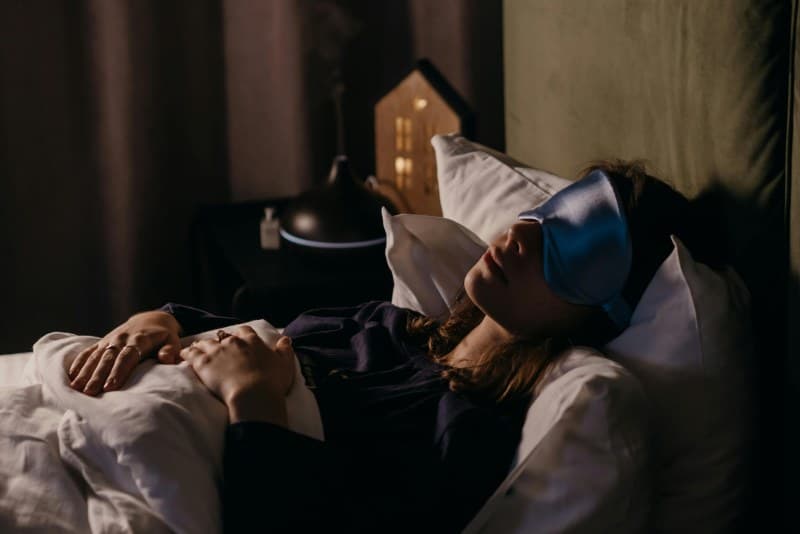
Let’s say you’ve invested in blackout curtains, a memory foam mattress, and a white noise app—yet you still toss and turn until 2 a.m. Sound familiar? I once had a friend who did all that, plus banned phones from her bedroom, but still woke up groggy. Turns out, she was falling for a common sleep environment myth: that her room had to be completely silent. Her white noise machine was set to a volume that actually disrupted her deep sleep cycles.
6 Sleep Environment Myths (And What Science Actually Says)
We’ve all heard tips about optimizing our sleep space, but many are based on old wives’ tales, not data. Let’s break down 6 of the most persistent myths:
1. Myth: Your room must be pitch-black
Truth: While darkness helps produce melatonin (the sleep hormone), a tiny amount of soft, warm light (like a dim nightlight) won’t harm most people. In fact, for those who get up at night, a dim light can prevent bright flashes that jolt the system awake.
Fix: If you need light, use a red or amber bulb (they emit less blue light) and keep it below eye level.
2. Myth: White noise must be loud to work
Truth: Loud white noise can mask background sounds, but it can also increase stress hormones like cortisol if it’s too intense. The sweet spot is around 50 decibels—about the volume of a quiet conversation.
Fix: Use a machine with adjustable volume, or try pink noise (softer at high frequencies) which some studies say is more effective for deep sleep.
3. Myth: A warm room is cozier for sleep
Truth: Your body’s core temperature needs to drop by 1-2 degrees Fahrenheit to fall asleep. A room that’s too warm (above 72°F/22°C) can prevent this drop.
Fix: Keep your room between 60-67°F (15-19°C). Use breathable bedding if you get cold.
4. Myth: You should never have plants in the bedroom
Truth: While some plants (like jasmine or lavender) release oxygen at night and can promote relaxation, others (like succulents) do the opposite during the day—but that doesn’t affect sleep. The real issue is overwatering (mold growth) or pollen allergies.
Fix: Choose low-maintenance, non-allergenic plants like snake plants or peace lilies.
5. Myth: A firm mattress is best for everyone
Truth: Mattress firmness depends on your sleep position. Side sleepers need softer mattresses to cushion their hips and shoulders; back sleepers need medium firmness; stomach sleepers need firmer support.
Fix: Test mattresses for 10-15 minutes in the store, or use a mattress topper to adjust firmness.
6. Myth: Pillows don’t matter as long as they’re comfortable
Truth: The right pillow aligns your neck with your spine. A pillow that’s too high or low can cause neck pain and disrupt sleep.
Fix: Side sleepers need thicker pillows; back sleepers need medium thickness; stomach sleepers need thin pillows.
Myth vs. Truth: Sleep Environment Factors
Here’s a quick comparison of key sleep environment factors to help you separate fact from fiction:
| Factor | Myth | Truth | Practical Fix |
|---|---|---|---|
| Light | Pitch-black is mandatory | Tiny warm light is okay | Red/amber nightlight below eye level |
| Noise | Loud white noise is best | 50 decibels (quiet convo) is ideal | Adjustable pink noise machine |
| Temperature | Warm rooms are cozier | 60-67°F (15-19°C) is optimal | Breathable bedding, adjust thermostat |
What the Experts (and Classics) Say About Sleep
“Sleep is the golden chain that ties health and our bodies together.” — Thomas Dekker, 17th-century playwright
Dekker’s words ring true today. Modern science confirms that sleep isn’t just a break from the day—it’s when our bodies repair cells, consolidate memories, and regulate hormones. A poor sleep environment can break that chain, leading to fatigue, mood swings, and long-term health issues.
FAQ: Common Sleep Environment Question
Q: Is it okay to have a TV in the bedroom?
A: It depends. TVs emit blue light, which suppresses melatonin. If you must have one, use the “night mode” setting (which reduces blue light) and turn it off at least 30 minutes before bed. Better yet, keep the bedroom a screen-free zone to signal to your brain that it’s time to rest.
Final Thoughts: Small Changes, Big Impact
You don’t need to overhaul your entire bedroom to get better sleep. Start with one small fix: adjust your white noise volume, swap your pillow, or lower the thermostat. Over time, these changes can add up to more restful nights and energized days. Remember, the best sleep environment is the one that works for you—so experiment and find what feels right.