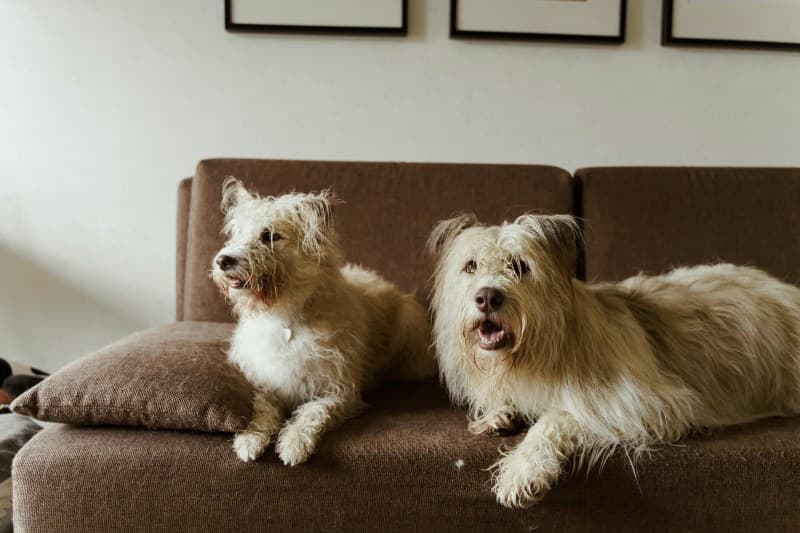
Imagine walking in the door to find your puppy has knocked over a bowl of spaghetti sauce on your landlord’s cream carpet. Panic sets in: you don’t want to use harsh chemicals that could harm your pet, and you can’t risk discoloring the carpet. That’s where these DIY stain removers come in—effective, safe, and kind to both your furry friend and your home.
Why Pet-Friendly Stain Removers Matter
Pets are curious, messy creatures, and their stains (urine, food spills, mud) are inevitable. Harsh cleaners like bleach or ammonia can be toxic if your pet licks the area, and they might damage rental property. Pet-friendly options use natural ingredients that break down stains without putting your pet at risk.
6 DIY Pet-Friendly Stain Removers: Side-by-Side
Here’s how six common DIY removers stack up for different stains and fabrics:
| Remover Name | Key Ingredients | Best For Stains | Pros | Cons |
|---|---|---|---|---|
| Baking Soda & Vinegar | Baking soda, white vinegar, water | Odors, light food spills | Deodorizes, cheap, renter-safe | May fizz (test on delicate fabrics) |
| Hydrogen Peroxide (3%) & Dish Soap | 3% peroxide, mild dish soap, water | Blood, wine, grape juice | Breaks down organic stains, effective | Can bleach dark fabrics (test first) |
| Cornstarch Paste | Cornstarch, water | Oil-based stains (grease, butter) | Absorbs oil, no residue | Takes time to dry (leave overnight) |
| Lemon Juice & Salt | Fresh lemon juice, table salt | Grass, rust, light stains | Natural bleaching, fresh scent | Not for dark or delicate fabrics |
| DIY Enzyme Cleaner | Yeast, sugar, warm water | Urine, feces, vomit | Breaks down organic matter, eliminates odor | Needs 24 hours to ferment |
| Club Soda | Club soda (unflavored) | Fresh spills (wine, soda) | Instant use, no preparation | Less effective on set-in stains |
A Success Story: Max’s Grape Juice Mishap
My friend Mia has a golden retriever named Max. One afternoon, Max knocked over a glass of grape juice on her cream couch. She grabbed her DIY hydrogen peroxide mix (1 part 3% peroxide, 2 parts mild dish soap, 1 part water) and blotted the stain (no rubbing!). She let it sit for 10 minutes, then blotted again with a damp cloth. The stain was gone—no residue, no harm to Max if he licked the area later. Mia still uses this mix for all of Max’s messes.
Classic Wisdom for Pet Owners
“The bond with a true dog is as lasting as the ties of this earth will ever be.” — Konrad Lorenz
This quote reminds us that our pets are family. Choosing non-toxic stain removers is a small way to protect that bond, ensuring our homes are safe for both us and our furry companions.
FAQ: Your Stain Questions Answered
Q: Will these removers work on old, set-in stains?
A: For set-in stains, try the DIY enzyme cleaner. Let it sit overnight—enzymes break down organic matter over time, which works better for older messes. For non-organic stains like rust, lemon juice & salt might help if left for a few hours.
Q: Can I use these on all fabrics?
A: Always test a small, hidden spot first (like the back of a couch cushion). Avoid hydrogen peroxide and lemon juice on dark or delicate fabrics (silk, wool) as they can bleach or damage.
Pro Tips for Stain Removal
- Blot, don’t rub: Rubbing pushes the stain deeper into the fabric.
- Act fast: Fresh stains are easier to remove than set-in ones.
- Rinse with cold water: Hot water can set protein-based stains (like urine or blood).
- Deodorize after: Sprinkle baking soda on the area and vacuum it up after a few hours to eliminate lingering odors.
Taking care of pets means dealing with messes, but it doesn’t have to be stressful. These DIY removers are affordable, safe, and effective—so you can focus on enjoying time with your furry friend instead of worrying about stains.