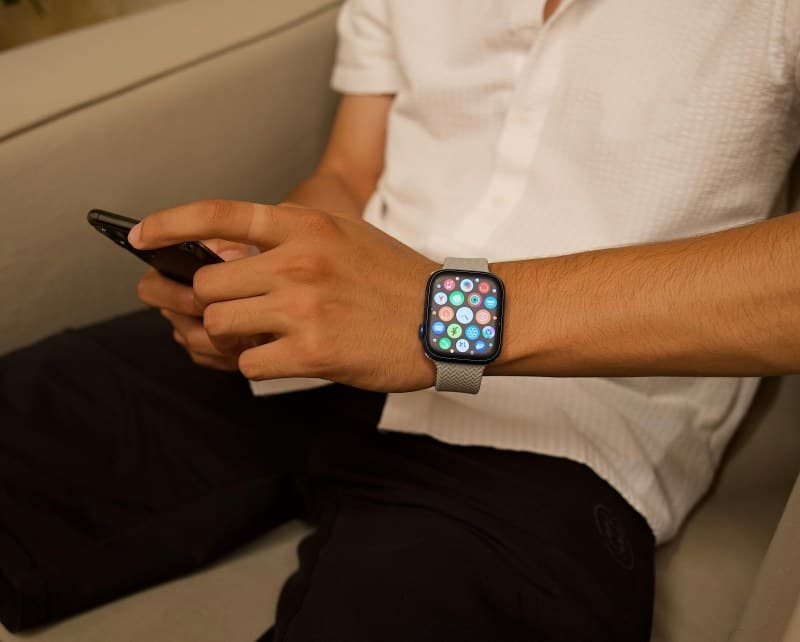
Last week, my friend Sarah showed me her smartwatch sleep report, complaining it only told her “light” or “deep” sleep. She had no idea it also tracked her respiratory rate through the night—an indicator of stress or even allergies. Most of us use our smartwatches for steps or heart rate, but there’s a world of hidden health insights waiting to be unlocked.
6 Hidden Health-Tracking Features You Might Be Missing
Let’s dive into the features that often fly under the radar:
- Respiratory Rate Tracking: While you sleep, your watch monitors how many breaths you take per minute. Consistently high rates could signal sleep apnea or stress.
- Blood Oxygen (SpO2) Trends: Instead of just one-time readings, many watches track SpO2 over weeks. Low trends might hint at poor sleep quality or altitude effects.
- Post-Workout Recovery Time: Using heart rate variability (HRV), your watch calculates how long your body needs to rest before your next intense session.
- Stress Response via HRV: Higher HRV means your body handles stress better. A sudden drop could mean you’re overworked.
- Hydration Reminders: Sync your watch with a hydration app, and it’ll remind you to drink based on your activity level and sweat loss.
- Detailed Sleep Cycles: Beyond light/deep sleep, some watches break down REM, core, and awake periods—helping you understand why you wake up tired.
Hidden vs. Obvious: Smartwatch Health Features
Let’s compare the features you probably use to the ones you’re missing:
| Feature Category | Obvious Feature | Hidden Feature | Why It Matters |
|---|---|---|---|
| Sleep Tracking | Light/Deep Sleep | Respiratory Rate + Detailed Cycles | Detects early signs of sleep issues like apnea. |
| Heart Health | Real-Time Heart Rate | HRV + Recovery Time | Helps manage stress and avoid overtraining. |
| Activity | Step Count | Hydration Reminders | Prevents dehydration during long workouts. |
Myths Debunked: What Smartwatches Can’t Do
It’s easy to overestimate what your watch can do. Let’s set the record straight:
- Myth 1: Smartwatches can diagnose heart attacks. → Fact: They can alert you to irregular rhythms, but always consult a doctor for a diagnosis.
- Myth 2: More features mean better health insights. → Fact: Consistently using a few key features (like sleep tracking) is more useful than ignoring most of them.
“The greatest wealth is health.” — Virgil
Virgil’s words ring true today. Smartwatches aren’t magic, but they’re tools that help us guard our health by keeping us aware of small changes before they become big issues.
Real-Life Example: How a Smartwatch Clued Someone In
My uncle noticed his smartwatch’s SpO2 levels were consistently low at night. He mentioned it to his doctor, who recommended a sleep study. Turns out he had mild sleep apnea. Getting a CPAP machine improved his energy levels drastically. The watch didn’t diagnose him, but it gave him a clue to ask for help.
Common Question: Can My Smartwatch Replace Medical Devices?
Q: I’ve seen my smartwatch track blood pressure—should I stop using my home monitor?
A: No. Smartwatches use optical sensors for estimates, which are less accurate than medical-grade devices. Think of your watch as a first alert: if it shows consistent high readings, talk to your doctor and use a validated monitor for precise data.
Practical Tips to Unlock Your Watch’s Potential
- Enable sleep tracking every night (not just when you’re tired).
- Check your HRV in the morning to gauge your stress level for the day.
- Sync your watch with a hydration app to get personalized reminders.
Your smartwatch is more than a step counter—it’s a personal health assistant. Take a few minutes to explore its hidden features, and you’ll be surprised at what you learn about your body.