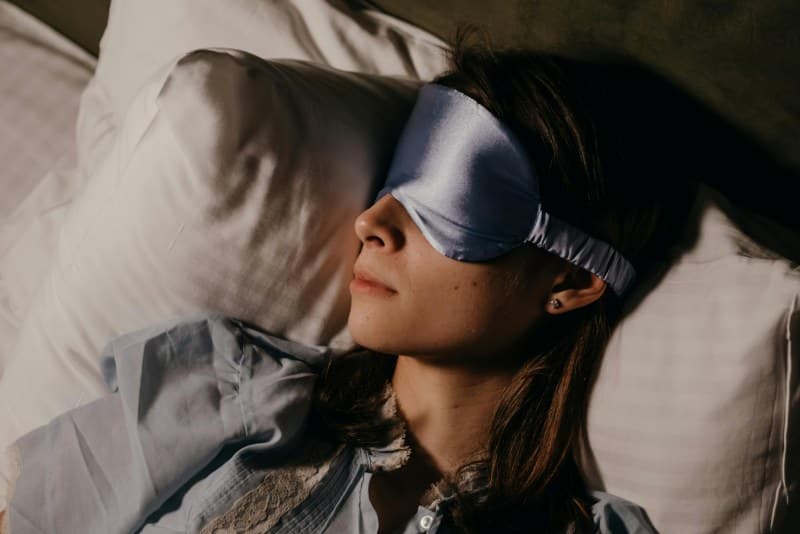
Last month, my friend Lisa swore she was "ruining her sleep" because she only got 7 hours a night. She’d read that 8 hours was the golden rule, so she’d lie awake stressing, making it even harder to fall asleep. Sound familiar? We all buy into sleep myths without realizing they’re hurting more than helping. Let’s break down 6 of the most common ones—and how to fix the damage they cause.
6 Sleep Myths That Are Holding You Back
From social media to old wives’ tales, sleep myths are everywhere. Let’s separate fact from fiction:
1. You Must Get 8 Hours of Sleep Every Night
The 8-hour rule is a general guideline, but it’s not set in stone. The National Sleep Foundation says most adults need 7-9 hours, but some people (like short sleepers) thrive on 6, while others need 10. Stressing over an extra hour can lead to anxiety, making it harder to fall asleep.
2. Napping During the Day Ruins Nighttime Sleep
Short naps (20-30 minutes) are actually beneficial—they boost energy and focus without disrupting your circadian rhythm. Long naps (over an hour) can leave you groggy and interfere with night sleep, but a quick power nap is fine.
3. Alcohol Helps You Sleep Better
Alcohol may make you drowsy, but it suppresses REM sleep—the deep, restorative stage that helps with memory and mood. You’ll likely wake up frequently during the night, feeling unrefreshed.
4. Counting Sheep Works to Fall Asleep
Counting sheep is a boring task, but it doesn’t distract your mind from racing thoughts. Studies show that visualizing a calm, detailed scene (like a beach or forest) is more effective at lulling you to sleep.
5. You Can "Catch Up" on Sleep on Weekends
Irregular sleep schedules disrupt your circadian rhythm. Sleeping in on weekends can lead to "social jet lag," making it harder to wake up on Monday. Consistency is key—even on days off.
6. If You Can’t Fall Asleep, Stay in Bed Until You Do
Staying in bed when you’re awake associates your bed with frustration, not rest. If you’re awake for more than 20 minutes, get up and do a quiet activity (no screens!) until you feel sleepy.
Myth vs. Fact vs. Fix: A Quick Guide
Here’s a handy table to reference when you’re second-guessing your sleep habits:
| Myth | Fact | Quick Fix |
|---|---|---|
| 8 hours is mandatory. | 7-9 hours is normal; individual needs vary. | Track sleep for a week to find your sweet spot. |
| Naps ruin night sleep. | Short naps (20 mins) are okay; long naps aren’t. | Take naps before 3 PM, max 30 mins. |
| Alcohol aids sleep. | Alcohol suppresses REM sleep and causes awakenings. | Avoid alcohol 3-4 hours before bed. |
| Counting sheep works. | Visualizing calm scenes is more effective. | Imagine a peaceful place (e.g., a quiet lake). |
| Weekend sleep catches up deficits. | Irregular schedules disrupt circadian rhythm. | Keep sleep times consistent (±1 hour). |
| Stay in bed if you can’t sleep. | Bed should be for sleep only (not frustration). | Get up and do a quiet, screen-free activity. |
Wisdom from the Past
"Early to bed and early to rise makes a man healthy, wealthy, and wise." — Benjamin Franklin
Franklin’s advice has stood the test of time, but it’s not for everyone. Night owls who force an early bedtime may end up sleep-deprived, even if they hit 8 hours. The key is to listen to your body—if you feel rested and alert, your sleep schedule is probably working for you.
A Real-Life Example: Lisa’s Sleep Turnaround
Lisa, my friend, spent months stressing over her 7-hour sleep nights. She’d lie awake, checking the clock, convinced she was damaging her health. After learning the 8-hour myth wasn’t absolute, she stopped forcing extra time in bed. Now, she goes to sleep when she’s tired and wakes up naturally (around 7 hours later). She says she’s more alert during the day and no longer dreads bedtime. Small changes, based on facts, made a big difference.
Common Sleep Question
Q: I wake up at 3 AM every night and can’t get back to sleep. What should I do?
A: If you’re awake for more than 20 minutes, get out of bed. Do something calm and screen-free—like reading a physical book, folding laundry, or gentle stretching. Staying in bed will only make you more anxious about sleeping. Once you feel sleepy again, return to bed.
Sleep doesn’t have to be complicated. By letting go of these myths and listening to your body, you can improve your rest and feel more energized every day. Remember: the best sleep routine is the one that works for you.