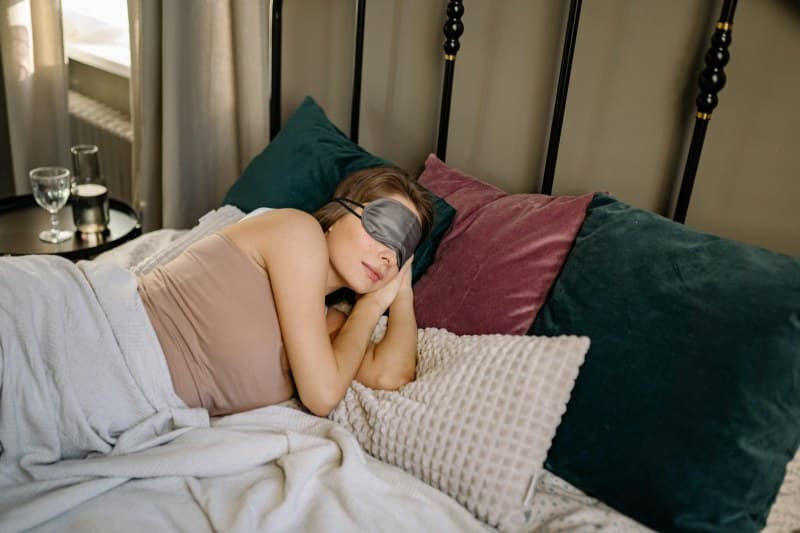
Last month, my friend Lila told me she was getting 8 hours of sleep every night but still waking up groggy. She cut out coffee after 2 PM, avoided screens before bed, and even bought a fancy memory foam pillow. But she missed a few small things that were quietly messing with her rest. Turns out, many of us overlook common sleep disruptors that are easy to fix—if you know what to look for.
6 Sleep Disruptors (And How to Fix Them)
1. Irregular Sleep Schedule (Even on Weekends)
Going to bed at 10 PM during the week and 2 AM on weekends throws off your body’s circadian rhythm. This is called social jetlag, and it can make it hard to fall asleep on Sunday nights or wake up on Monday mornings. Your body doesn’t know whether to prepare for rest or activity.
Fix: Try to keep your sleep/wake times within 30 minutes of each other every day—yes, even on days off. If you stay up late, set an alarm to wake up no more than an hour later than usual.
2. Hidden Blue Light After Dark
Blue light from phones, TVs, and even LED bulbs suppresses melatonin, the hormone that helps you fall asleep. Lila was using her tablet to read before bed—she thought it was relaxing, but the blue light was keeping her awake longer than she realized.
Fix: Use blue light filters on your devices, wear blue light glasses, or switch to dim, warm lights (like a table lamp with a yellow bulb) 1 hour before bed. If you must use a screen, turn down the brightness.
3. Room Temperature That’s Too Hot or Cold
Your body needs to cool down to enter deep sleep. A room that’s too warm (above 72°F/22°C) or too cold (below 60°F/15°C) can disrupt your sleep cycles. Lila kept her bedroom at 75°F—way too warm for optimal rest.
Fix: Keep your bedroom between 60-67°F (15-19°C). Use breathable cotton sheets and adjust layers (like a light blanket) as needed. If you get cold at night, wear socks—warm feet help your body cool down faster.
4. Unsupportive Mattress or Pillows
A mattress that’s too old (over 7-10 years) or pillows that don’t support your neck can cause discomfort and wake you up throughout the night. Lila’s mattress was 12 years old—sagging in the middle, which led to back pain.
Fix: Replace your mattress if it’s sagging or lumpy. For pillows, choose one that aligns your neck with your spine—memory foam or down alternatives work well for most people. Test pillows before buying to find the right firmness.
5. Late-Night Snacking (Especially Sugary or Spicy Foods)
Eating heavy, sugary, or spicy foods before bed can cause indigestion or raise your blood sugar, leading to restless sleep. Lila was having a small chocolate bar before bed—this spiked her sugar levels and kept her tossing and turning.
Fix: Avoid eating 2-3 hours before bed. If you’re hungry, opt for a light snack like a banana (which has melatonin) or a handful of almonds (rich in magnesium, which helps with relaxation).
6. Noise Pollution (Even Subtle)
Snoring partners, traffic outside, or even a ticking clock can disrupt your sleep cycles. You might not remember waking up, but these small noises can prevent you from entering deep, restorative sleep. Lila lived near a busy street—she didn’t notice the traffic until she started using a white noise machine.
Fix: Use earplugs, a white noise machine, or a fan to mask unwanted sounds. If you share a bed with a snorer, try a snoring pillow or ask them to sleep on their side.
Here’s a quick reference to the 6 disruptors and their fixes:
| Disruptor | Key Effect | Quick Fix |
|---|---|---|
| Irregular Schedule | Social jetlag, circadian rhythm disruption | Stick to consistent sleep/wake times (±30 mins) |
| Hidden Blue Light | Melatonin suppression | Use blue light filters or warm lights pre-bed |
| Room Temp Extremes | Prevents body cooling for sleep | Keep room at 60-67°F (15-19°C) |
| Unsupportive Bedding | Discomfort, interrupted sleep | Replace old mattress/pillows (every 7-10 years) |
| Late-Night Snacking | Indigestion, blood sugar spikes | Avoid eating 2-3 hours pre-bed; light snacks only |
| Noise Pollution | Disrupted sleep cycles | Earplugs, white noise machine, or fan |
"Sleep is the best meditation." — Dalai Lama
This quote reminds us that sleep isn’t just a break from the day—it’s a vital part of our well-being. Fixing these small disruptors can turn your sleep into a restorative practice, not just a necessary chore. Lila started with adjusting her room temperature and using blue light filters—within a week, she was waking up feeling refreshed.
Common Sleep Question
Q: Can I make up for lost sleep on weekends?
A: While sleeping in on weekends might feel good, it can actually worsen social jetlag. Instead, try to add 15-30 minutes of sleep each night during the week to catch up, or take a short (20-minute) nap during the day. Long naps or weekend sleep-ins can throw off your rhythm for the next week, making it harder to fall asleep on Sunday nights.
Final Thoughts
Getting better sleep doesn’t have to mean overcomplicating things. Small changes—like keeping a consistent schedule or adjusting your room temperature—can make a big difference. Remember, sleep is a habit, and like any habit, it takes time to build. Start with one fix this week (maybe adjusting your room temp) and see how it affects your rest. You’ll be surprised at how much these little tweaks can improve your energy and mood.