I still remember the morning I tried to make scrambled eggs for my roommate. I turned the stove to high, dumped the eggs in, and stirred like crazy—resulting in a rubbery, dry mess that even the dog turned up his nose at. That’s when I realized: eggs are simple, but easy to mess up. Let’s break down the 6 most common mistakes and how to fix them so you never have to serve sad eggs again.
Egg Types: Which to Use for What?
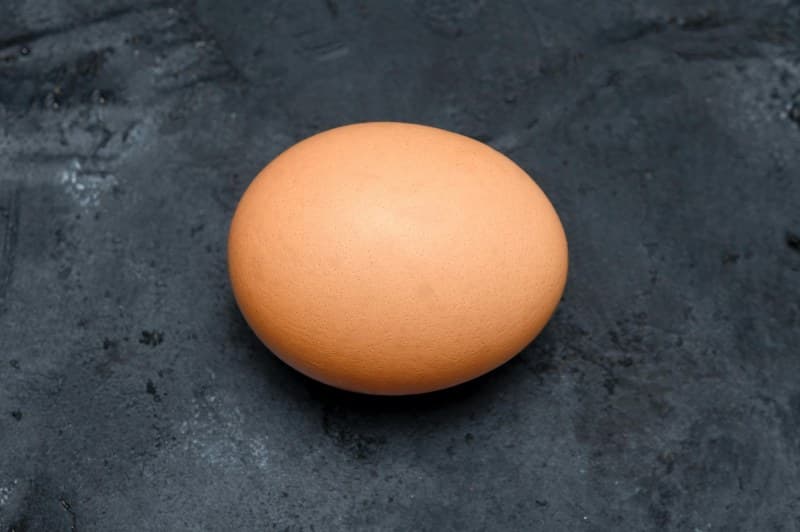
First, let’s get clear on which eggs fit which dish. Here’s a quick comparison:
| Egg Type | Best For | Pro Tip |
|---|---|---|
| Large Fresh Eggs | Scrambled, fried, omelets | Check freshness by submerging in water—fresh eggs sink. |
| Pasteurized Eggs | Runny yolks (hollandaise, sunny-side up) | Safe for raw or undercooked use. |
| Organic Free-Range Eggs | Baking, deviled eggs | Richer flavor and brighter yolks. |
6 Egg Cooking Mistakes (And How to Fix Them)
1. Using Cold Eggs for Baking
Cold eggs don’t emulsify well with butter or sugar, leading to lumpy batters. Fix: Let eggs sit at room temperature for 30 minutes, or place them in a bowl of warm (not hot) water for 5 minutes.
2. Overcooking Hard-Boiled Eggs
Ever cut into a hard-boiled egg and saw a green ring around the yolk? That’s from overcooking. Fix: Boil eggs for 7 minutes (soft yolk) or 9 minutes (firm yolk), then immediately plunge into ice water to stop cooking.
3. Scrambling Eggs on High Heat
High heat cooks eggs too fast, making them dry and rubbery. Fix: Use low heat, stir slowly with a spatula, and take them off the heat just before they’re fully set—they’ll continue cooking from residual heat.
4. Adding Salt Too Early to Scrambled Eggs
Salt breaks down egg proteins, leading to watery eggs. Fix: Add salt at the very end of cooking to keep them fluffy.
5. Not Preheating the Pan for Omelets
A cold pan causes eggs to stick and cook unevenly. Fix: Heat the pan first, then add a thin layer of oil or butter before pouring in the eggs.
6. Using the Wrong Pan for Fried Eggs
Non-stick pans are great for easy flipping, but cast iron gives crispy edges. Fix: For sunny-side up, use a non-stick pan; for crispy fried eggs, use cast iron.
“The only real stumbling block is fear of failure. In cooking, you’ve got to have a what-the-hell attitude.” — Julia Child
This rings true for egg cooking. Don’t be afraid to experiment—even if you mess up, you’ll learn what not to do next time. My friend Sarah once made deviled eggs for a potluck. She boiled the eggs for 15 minutes, resulting in green yolks that tasted chalky. After that, she started using a timer for 9 minutes and ice water—now her deviled eggs are the star of every gathering.
Quick FAQ
Q: Should I use cold or room-temperature eggs for scrambled eggs?
A: Room-temperature eggs scramble more evenly and result in fluffier texture. Cold eggs can lead to uneven cooking.
Q: Is it safe to eat runny yolks?
A: If you use pasteurized eggs, yes—they’re heated to kill bacteria without cooking the yolk. For non-pasteurized eggs, there’s a small risk of salmonella, so it’s best to cook yolks fully if you’re pregnant or have a weak immune system.
Eggs are one of the most versatile ingredients in the kitchen, but small mistakes can make a big difference. By avoiding these 6 common errors, you’ll be able to make perfect eggs every time—whether it’s a quick breakfast or a fancy brunch dish.