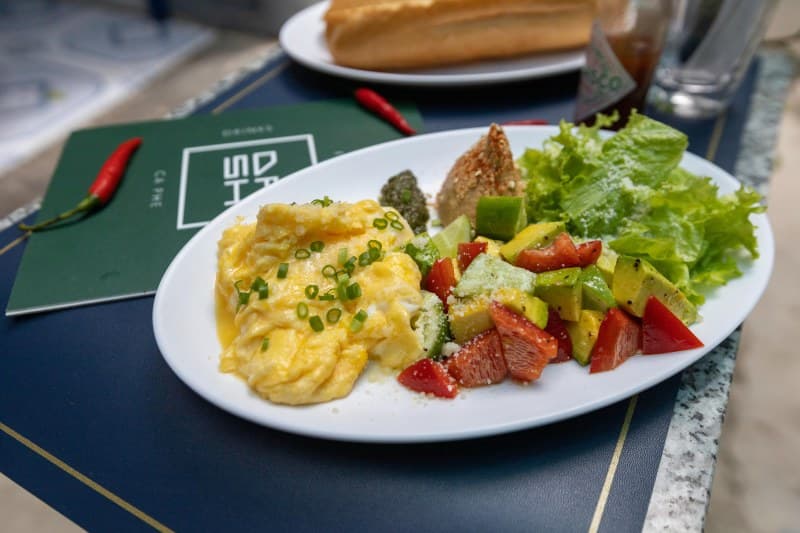
Last weekend, I tried to whip up a quick brunch for friends. I cracked four eggs into a pan, turned the heat to high, and stirred like crazy—only to end up with a dry, rubbery mess that no one wanted to eat. Sound familiar? Scrambled eggs seem simple, but small missteps can ruin their texture. Let’s break down the 5 mistakes you might be making, and how to fix them.
5 Surprising Mistakes That Ruin Fluffy Scrambled Eggs
1. Cooking on High Heat
When you crank the heat up to max, eggs cook in seconds—but they also turn tough. High heat causes the egg proteins to coagulate too quickly, squeezing out moisture and leaving you with rubbery curds. Fix: Use low to medium heat. It takes a few extra minutes, but the result is soft, fluffy eggs.
2. Adding Too Much Liquid
Pouring a full splash of milk or water into your eggs might seem like a good idea for fluff, but too much liquid makes them watery or runny. The eggs can’t hold onto excess moisture, so they end up soggy. Fix: Stick to 1 teaspoon of liquid (milk, water, or cream) per egg. This adds just enough moisture without overdoing it.
3. Stirring Nonstop (Or Not At All)
Stirring every second creates tiny, uniform curds—but they can be dense. On the flip side, not stirring at all leads to big, uneven chunks that are half overcooked and half under. Fix: Stir occasionally, scraping the bottom of the pan each time. This creates fluffy, bite-sized curds that are consistent.
4. Overcooking
Even after you turn off the heat, eggs keep cooking from residual pan warmth. If you wait until they look fully set in the pan, they’ll be dry by the plate. Fix: Take the pan off the heat when the eggs are still slightly runny. The residual heat will finish cooking them to perfection.
5. Using the Wrong Pan
A metal pan without non-stick coating can make eggs stick, forcing you to scrape and break the curds. This ruins the texture and makes cleanup a nightmare. Fix: Use a non-stick pan or a well-seasoned cast iron skillet. Both let eggs slide around easily, so you can stir without breaking.
Scrambled Egg Variables: Pros & Cons
Let’s compare how different choices affect your eggs’ texture:
| Variable | Option 1 | Option 2 | Option 3 |
|---|---|---|---|
| Heat Level | High: Fast but rubbery | Medium: Balanced fluff & speed | Low: Slow but ultra-fluffy |
| Liquid | Milk: Creamy texture | Water: Light, airy curds | None: Dense, rich curds |
| Stirring | Nonstop: Tiny, uniform curds | Occasional: Fluffy bite-sized chunks | Rare: Large, hearty curds |
Wisdom from the Pros
“The only real stumbling block is fear of failure. In cooking, you’ve got to have a what-the-hell attitude.” — Julia Child
This quote hits home for scrambled eggs. Don’t be afraid to experiment with heat or stirring—even if you mess up once, you’ll learn what works for you. My friend Sarah used to add a whole cup of milk to two eggs (way too much!) until she tried the 1-teaspoon rule. Now her eggs are the star of her weekly breakfasts.
Quick FAQ: Your Scrambled Egg Questions Answered
Q: Can I use cream instead of milk for scrambled eggs?
A: Yes! Cream adds extra richness, but use half the amount (½ teaspoon per egg) to avoid making the eggs too heavy or greasy.
Q: Should I salt eggs before or after cooking?
A: Salt before cooking! It helps break down the egg proteins, which makes the eggs fluffier. Just don’t overdo it—start with a pinch per egg.
Final Tips for Perfect Scrambled Eggs
To sum it up: Use low to medium heat, limit liquid to 1 tsp per egg, stir occasionally, take off heat when slightly runny, and use a non-stick pan. With these fixes, you’ll never have rubbery eggs again. Happy cooking!