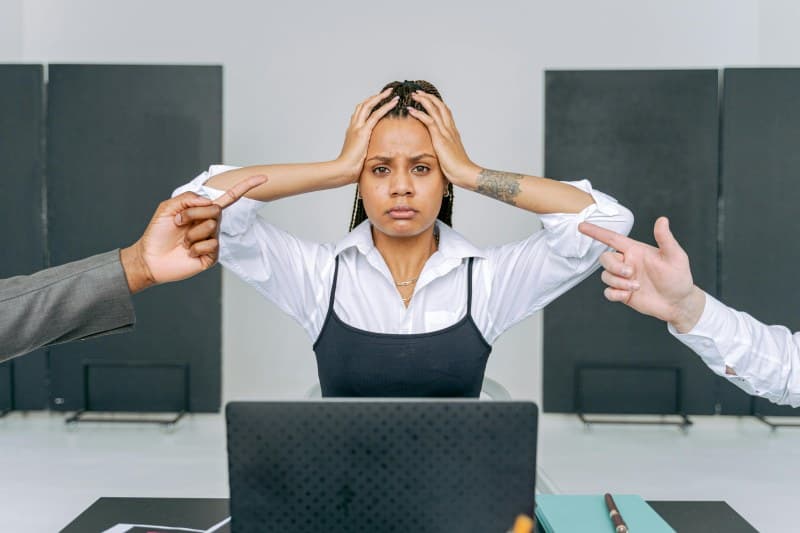
Let’s start with Sarah: a 32-year-old elementary teacher, mom to a 2-year-old, and someone who used to end every day feeling like she’d run a marathon. She’d rush from school drop-off to lesson plans, then cook dinner while juggling bedtime stories—all while her shoulders stayed tight and her mind raced with to-dos. Then she tried a few tiny changes: 2-minute breathing breaks between classes, a quick stretch every hour, and sipping chamomile tea instead of coffee after 3 PM. Within a week, she noticed she was less irritable with her kiddo and slept better. These small habits weren’t grand gestures—they were doable, even on her busiest days.
5 Small Daily Habits to Lower Stress
1. 2-Minute Deep Breathing Breaks (4-7-8 Technique)
The 4-7-8 method is simple: inhale through your nose for 4 seconds, hold for 7, then exhale slowly through pursed lips for 8. This triggers your body’s parasympathetic nervous system, which calms the “fight-or-flight” response. Sarah did this while waiting for her coffee to brew or between student meetings—no extra time needed.
2. Micro-Movement Every 60 Minutes
Sitting for long stretches tightens muscles and raises stress hormones. A 30-second stretch (like reaching for the ceiling or rolling your shoulders) or a quick walk to get water breaks that cycle. For remote workers, set a timer to stand up every hour—your body and mind will thank you.
3. Write Down 1 Win (No Matter How Small)
At the end of the day, jotting down one small victory (e.g., “I finished my report early” or “I laughed with a friend”) shifts your focus from stressors to positives. Sarah kept a sticky note on her fridge and wrote one thing each night—she says it made her feel more grateful, even on tough days.
4. Screen-Free Window Before Bed
Blue light from phones and TVs suppresses melatonin, the sleep hormone, which can keep stress levels high. Try 15 minutes of reading a physical book or stretching before bed. Sarah swapped her late-night scroll for a children’s story (win-win for her toddler too).
5. Sip Herbal Tea Instead of Caffeine After 3 PM
Caffeine stays in your system for 6-8 hours, prolonging stress responses like jitteriness or racing thoughts. Chamomile (calming) or peppermint (soothing) tea is a better choice. Sarah noticed she fell asleep faster once she cut out post-afternoon coffee.
How Do These Habits Stack Up? A Quick Comparison
Here’s a breakdown of each habit’s time investment, effort, and benefits:
| Habit | Time (minutes) | Effort Level | Immediate Benefit? | Long-Term Benefit? |
|---|---|---|---|---|
| 4-7-8 Breathing | 2 | Low | Yes | Yes |
| Micro-Movement | 0.5-1 | Low | Yes | Yes |
| Write 1 Win | 1 | Low | Yes (mood boost) | Yes (gratitude) |
| Screen-Free Bedtime | 15 | Medium (requires discipline) | No (delayed) | Yes (better sleep) |
| Herbal Tea Swap | 2 (to make) | Low | Yes (calming) | Yes (reduced caffeine dependency) |
Common Stress Relief Myths Debunked
Let’s clear up some misconceptions:
- Myth 1: You need 30 minutes of meditation daily to reduce stress.
Truth: Even 2-5 minutes of focused breathing or mindfulness can lower cortisol levels. - Myth 2: All stress is bad.
Truth: Eustress (positive stress, like excitement before a presentation) motivates you and boosts performance. - Myth 3: Ignoring stress makes it go away.
Truth: Unaddressed stress builds up, leading to physical issues like headaches or sleep problems.
A Classic Quote to Remember
“We cannot choose our external circumstances, but we can always choose how we respond to them.” — Epictetus
This ancient wisdom reminds us that stressors (like a busy schedule or a tough day) are often out of our control—but small habits give us power to respond in a calm, healthy way.
Quick Q&A
Q: Do I have to do all 5 habits to see a difference?
A: No! Pick 1 or 2 that fit your routine. For example, if you’re a student cramming for exams, try the 4-7-8 breathing breaks and writing down 1 win. Consistency matters more than checking all boxes.
Q: Can these habits replace therapy for chronic stress?
A: These habits are great for daily stress management, but if you’re dealing with persistent stress or anxiety, it’s important to talk to a healthcare professional. They’re a complement, not a replacement.
At the end of the day, stress is a normal part of life—but small, intentional choices can make it feel more manageable. Sarah’s story shows that you don’t need to overhaul your life to lower stress. Start with one habit, and see how it feels. You’ve got this.