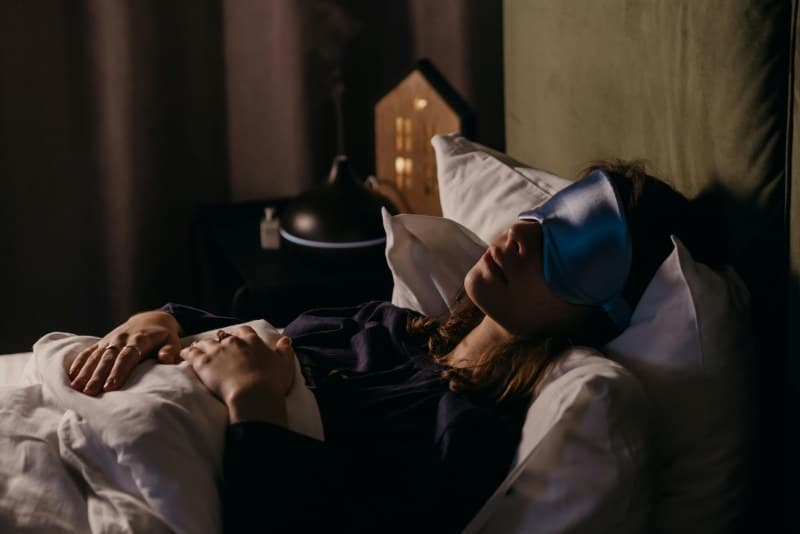
Let’s start with Sarah: she works 9-5, stays up till 2 AM scrolling social media on weekdays, then crashes till 10 AM on weekends to “catch up.” But she still wakes up groggy, struggles to focus at work, and can’t figure out why. Sound familiar? Chances are, she’s falling for one (or more) of the sleep myths that quietly sabotage rest.
The 5 Sleep Myths You Need to Stop Believing
We’ve all heard them—old wives’ tales, casual advice from friends, even outdated studies. But let’s separate fact from fiction.
1. You Can “Catch Up” on Sleep Over the Weekend
Sarah swears by her weekend sleep binges, but here’s the truth: sleep debt is like a credit card bill—you can’t pay it off in one go. Oversleeping on weekends disrupts your circadian rhythm (your body’s internal clock), making Monday mornings even harder. A 2020 study in the Journal of Sleep Research found that this “social jetlag” increases the risk of fatigue and mood swings.
2. More Sleep = Better Sleep
Ever slept 10 hours and woken up feeling like you’ve been hit by a truck? That’s sleep inertia—grogginess from oversleeping. Adults need 7-9 hours of sleep, according to the CDC. Any more than that can throw off your body’s natural cycle, leading to decreased alertness.
3. Counting Sheep Helps You Fall Asleep
This one’s a classic, but it’s not effective. Counting sheep is a repetitive task, but it doesn’t calm your brain. A 2002 study from Oxford University found that people who visualized peaceful scenes (like a beach or forest) fell asleep 20 minutes faster than those who counted sheep.
4. Alcohol Helps You Sleep
That nightcap might make you drowsy, but it’s a false friend. Alcohol suppresses REM sleep—the deep, restorative stage that helps with memory and mood. You’ll likely wake up multiple times during the night, even if you don’t remember it. A 2018 review in Sleep Medicine Reviews confirmed this effect.
5. Blue Light Filters Make Screen Time Before Bed Okay
Blue light filters help, but they don’t eliminate the problem. Even filtered light from phones or TVs can suppress melatonin (the sleep hormone). The best fix? Put screens away 1 hour before bed—your brain will thank you.
Myth vs. Fact vs. Fix: A Quick Comparison
Here’s a handy table to keep these myths straight:
| Myth | Fact | Quick Fix |
|---|---|---|
| Catch up on sleep weekends | Sleep debt accumulates; social jetlag disrupts rhythm | Stick to consistent sleep/wake times (even weekends) |
| More sleep = better sleep | Oversleeping causes grogginess; aim for 7-9 hours | Set a timer to avoid sleeping in |
| Counting sheep helps sleep | Visualizing peaceful scenes is more effective | Try imagining a calm place (beach, garden) |
| Alcohol aids sleep | Suppresses REM sleep; leads to fragmented rest | Avoid alcohol 3-4 hours before bed |
| Blue filters make screens safe | Filtered light still suppresses melatonin | Read a physical book or listen to music instead |
A Classic Quote to Remember
“Early to bed and early to rise makes a man healthy, wealthy, and wise.” — Benjamin Franklin
Franklin’s words hold true today, but not in the strict “early” sense. The key takeaway is consistency. Whether you’re a night owl or an early bird, sticking to a regular sleep schedule is the foundation of good rest.
Real-Life Example: Sarah’s Turnaround
After learning about these myths, Sarah made small changes: she set a 11 PM bedtime and 7 AM wake-up time (even on weekends), swapped her nightcap for herbal tea, and put her phone away an hour before bed. Within two weeks, she noticed a difference—she woke up without hitting snooze, and her afternoon slumps vanished.
FAQ: A Common Sleep Question Answered
Q: I work night shifts—how do I manage my sleep?
A: Night shifts are tough, but consistency is still key. Try to sleep at the same time every day (even on days off), use blackout curtains to block sunlight, avoid caffeine 6 hours before sleep, and consider a white noise machine to drown out daytime noise. Talk to your doctor if you’re struggling—they might suggest melatonin supplements (but always consult a professional first).
Final Thoughts
Sleep is one of the most important parts of our health, but myths often get in the way. By ditching these 5 misconceptions and sticking to simple fixes, you can improve your rest and feel more energized every day. Remember: small changes lead to big results.