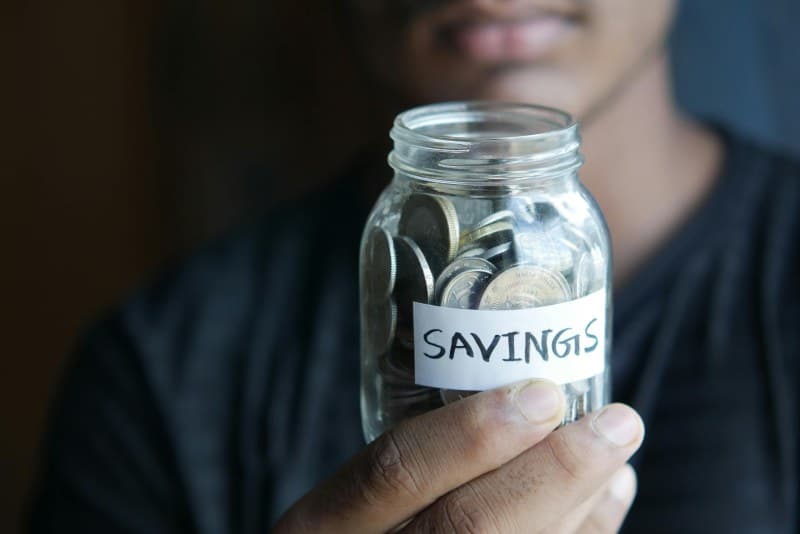
Ever found yourself staring at your bank account, wondering why you can’t seem to save even though you want to? You’re not alone. Saving often feels like a battle against our own brains—wired to crave immediate rewards over future gains. But the good news is, you don’t need superhuman willpower to build a savings habit. Let’s dive into the psychology behind saving and how to use it to your advantage.
Why Saving Feels Like a Battle (And It’s Not Your Fault)
Our brains are built for survival, which means we prioritize short-term needs (like a warm latte on a cold day) over long-term goals (like a vacation next year). This is called present bias—the tendency to value immediate rewards more than future ones. So when you choose to skip that latte to save for your trip, your brain is actually fighting against its natural instincts. That’s why willpower alone often isn’t enough.
5 Psychology Hacks to Make Saving Stick 💰
These hacks leverage how your brain works to make saving easier, not harder. Here’s a quick breakdown:
| Hack Name | Key Benefit | Easy First Step |
|---|---|---|
| Visualize Your Goal | Keeps your future reward top of mind | Print a photo of your goal (e.g., a beach) and tape it to your wallet |
| Automate Savings | Removes willpower from the equation | Set up a $10 auto-transfer to savings on payday |
| 10-Second Rule | Stops impulse buys in their tracks | Pause 10 seconds before adding a non-essential item to your cart |
| Pay Yourself First | Makes savings a priority, not an afterthought | Label your savings transfer as “My Future Self” in your bank app |
| Gamify Savings | Makes saving fun and rewarding | Download a round-up app (like Acorns) to turn spare change into savings |
Let’s go deeper into each:
1. Visualize Your Goal: When you see a photo of your dream vacation or new bike every day, it reminds your brain of the future reward, making it easier to skip small, immediate purchases.
2. Automate Savings: Once you set up auto-transfers, you don’t have to think about saving—it happens automatically. This bypasses the temptation to spend the money before you save it.
3. 10-Second Rule: Impulse buys happen fast. Pausing for 10 seconds gives your brain time to think: “Is this worth delaying my goal?” Most of the time, the answer is no.
4. Pay Yourself First: Treat your savings like a non-negotiable bill. If you wait to save what’s left after spending, there’s often nothing left.
5. Gamify Savings: Apps that reward you for saving (like giving you a “badge” when you hit a milestone) trigger the brain’s reward system, making saving feel fun instead of a chore.
Debunking Common Saving Myths
Let’s clear up some myths that might be holding you back:
Myth 1: You need to save a lot each month to make a difference.
Truth: Even $20 a month adds up. For example, $20/month at 5% interest becomes over $1,300 in 5 years.
Myth 2: Willpower is all you need.
Truth: Willpower is a finite resource. Psychology hacks reduce your reliance on it, making saving sustainable.
Myth 3: Saving means giving up all fun.
Truth: It’s about balance. Allocate a small “fun fund” each month (e.g., $50) so you can enjoy small treats without derailing your goals.
Real-Life Example: Sarah’s Savings Journey
Sarah wanted to save $1,000 for a weekend trip to the mountains. She tried cutting back on coffee and snacks but always gave in after a few days. Then she used these hacks:
1. She taped a photo of the mountains to her fridge.
2. She set up a $50 auto-transfer to her “Mountain Trip” savings account every payday.
3. She used the 10-second rule before buying coffee—most days, she chose to make it at home instead.
4. She labeled her savings transfer “Mountain Adventure” to remind herself it was a priority.
5. She used a round-up app that added spare change from her purchases to her fund.
In 6 months, Sarah reached her goal. She told me, “I didn’t even notice the $50 was gone each month, and the round-up app added an extra $100 without me trying.”
Classic Wisdom to Keep You Motivated
“The best time to plant a tree was 20 years ago. The second best time is now.” — Chinese Proverb
This proverb is perfect for saving. Even if you haven’t saved a penny yet, today is the best day to start. Small steps now will lead to big results later.
FAQ: Your Saving Questions Answered
Q: I don’t earn enough to save—what can I do?
A: Start with micro-savings. Even $5 or $10 a month adds up. Use round-up apps that take spare change from your purchases (e.g., if you spend $3.75 on a snack, the app adds $0.25 to your savings). Over time, you’ll build a habit, and you can increase the amount as your income grows.
Q: How do I avoid dipping into my savings for non-essential purchases?
A: Keep your savings in a separate account (not linked to your checking) so it’s less accessible. Also, label your savings account with your goal (e.g., “Emergency Fund” or “Vacation”) to remind you why you’re saving. If you still feel tempted, wait 24 hours before making the withdrawal—most of the time, the urge will pass.
Saving doesn’t have to be hard. By using these psychology hacks, you can work with your brain instead of against it. Pick one hack to try this week—you’ll be surprised at how much difference it makes.