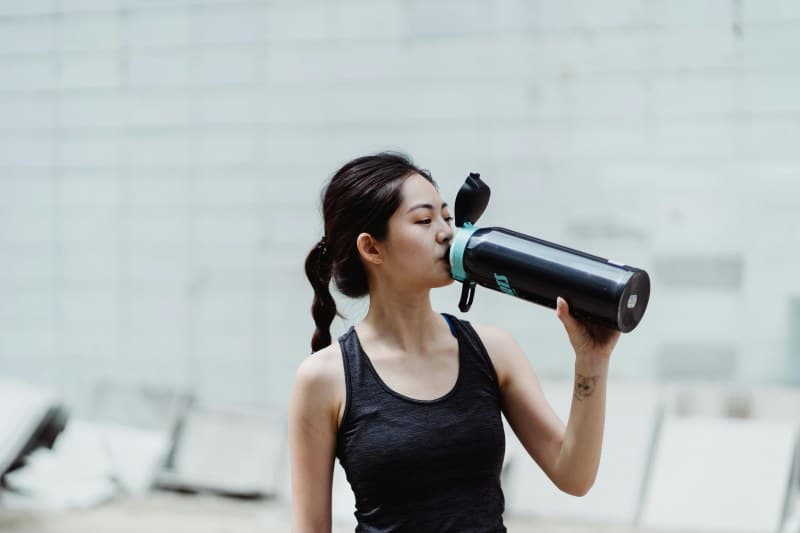
Ever felt sluggish at 3 PM, reached for a coffee, and still couldn’t shake the fog? Sarah, a busy graphic designer, did this every day—until she realized her fatigue wasn’t from lack of caffeine, but lack of water. She’d been skipping sips between meetings, buying into myths that made hydration feel complicated. Let’s break down those myths and get back to simple, effective ways to stay hydrated.
5 Hydration Myths You Need to Stop Believing
Myth 1: You Must Drink 8 Glasses of Water a Day
This one-size-fits-all rule is a myth. The Institute of Medicine suggests men need about 3.7 liters (15.5 cups) and women 2.7 liters (11.5 cups) daily—but this includes all fluids (water, tea, fruit) and even food (like cucumbers or watermelon). If you’re sweating a lot or live in a hot climate, you’ll need more; if you’re sedentary, less.
Myth 2: Thirst Means You’re Already Dehydrated
Thirst is your body’s early warning system, not a sign you’re in crisis. While waiting until you’re parched isn’t ideal, a little thirst is normal. Think of it as your body saying, “Hey, let’s top up!”
Myth 3: Sports Drinks Are Better for Daily Hydration
Sports drinks are designed for intense, long workouts (over 60 minutes) where you lose electrolytes through sweat. For daily use, they’re often loaded with sugar—more than a can of soda in some cases. Stick to water for regular hydration.
Myth 4: Coffee & Tea Dehydrate You
Moderate caffeine intake (up to 400 mg a day, or about 4 cups of coffee) doesn’t dehydrate most people. The water content in these drinks outweighs any diuretic effect. So your morning latte counts toward your daily fluid intake!
Myth 5: Clear Urine Means You’re Overhydrated
Pale yellow urine is ideal, but clear urine isn’t always a problem. It might just mean you drank a lot recently, especially if you’re not experiencing symptoms like bloating or frequent trips to the bathroom. Overhydration is rare for healthy people.
Hydration Sources: Which Is Right for You?
Not all fluids are created equal. Here’s a quick comparison of common hydration sources:
| Source | Pros | Cons | Best For |
|---|---|---|---|
| Water | Zero calories, no sugar, easy to access | Can be plain for some | Daily hydration, all activities |
| Sports Drinks | Replenishes electrolytes (sodium, potassium) | High sugar, unnecessary for casual use | Intense workouts (60+ mins) |
| Herbal Tea (unsweetened) | Hydrating, adds flavor, may have calming benefits | Some types (like peppermint) can cause mild stomach issues | Evening hydration, when you want something warm |
| Watermelon | 92% water, adds vitamins (A, C) and fiber | Not as portable as a bottle | Snacks, post-workout refreshment |
Why Hydration Matters: A Classic Perspective
“Water is the driving force of all nature.” — Leonardo da Vinci
Da Vinci’s words ring true today. Every cell in your body needs water to function: it helps regulate temperature, carry nutrients, and flush waste. Even mild dehydration (1-2% of body weight) can cause fatigue, brain fog, and mood swings—exactly what Sarah was feeling.
FAQ: Your Hydration Questions Answered
Q: How can I make sure I’m drinking enough water?
A: Try these simple tricks: Keep a reusable bottle with you, set phone reminders to sip every hour, add slices of lemon or berries for flavor, and eat water-rich foods like cucumbers, oranges, or celery. You can also check your urine color—pale yellow is a good sign.
Practical Tips to Stay Hydrated
- Start your day with a glass of water before coffee—this kickstarts your metabolism and hydrates you after sleep.
- Drink water before meals: it can help you feel full and avoid overeating.
- For workouts under 60 minutes, stick to water. Save sports drinks for longer sessions.
- If you hate plain water, try sparkling water or unsweetened iced tea.
Hydration doesn’t have to be complicated. By ditching these myths and keeping it simple, you can boost your energy, improve your mood, and support your overall wellness—one sip at a time.