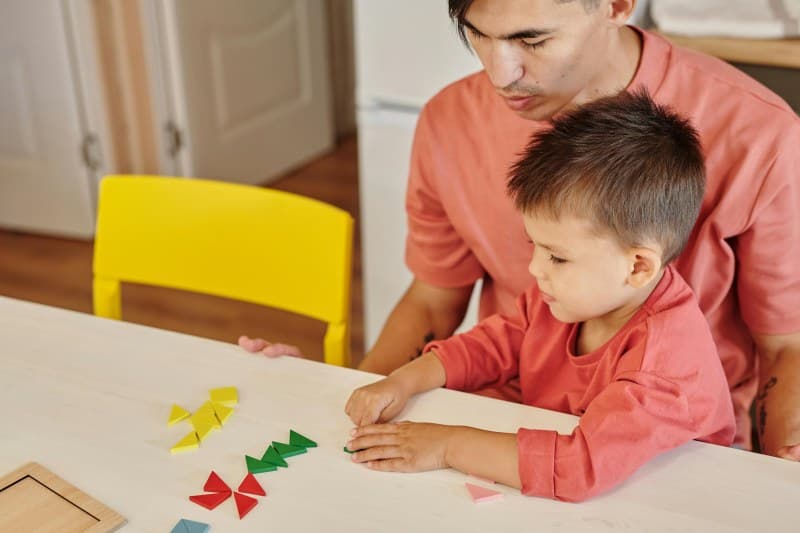
Last Tuesday morning, my friend Lila spent 20 minutes arguing with her 4-year-old son about putting on his shoes. He wanted the red ones (even though they were muddy), she wanted the clean blue ones. By the end, both were teary. Sound familiar? Parent-child power struggles are as common as spilled juice, but they don’t have to leave everyone feeling drained.
What Are Parent-Child Power Struggles, Anyway?
Power struggles happen when both a parent and child want control over a situation—whether it’s getting dressed, eating veggies, or leaving the park. For kids, this isn’t about being “naughty”; it’s their way of asserting independence as they learn to navigate the world. For parents, it’s easy to feel like we’re losing control, but these moments can be turned into opportunities to connect.
5 Gentle Strategies to Navigate Power Struggles
1. Offer Choices (Within Limits) 💡
Instead of giving a command, let your child pick between two acceptable options. For example, instead of “Put on your shoes,” try “Do you want to put on the red shoes first or the socks?” Lila tried this later with her son—he chose the red shoes but agreed to wipe them with a cloth before leaving. Win-win.
2. Validate Their Feelings 🫂
Kids often act out because they can’t put their emotions into words. Saying something like, “I know you’re mad we can’t stay at the park longer. It’s hard to leave fun things” lets them feel heard. Validating doesn’t mean giving in—it builds trust so they’re more likely to cooperate.
3. Use “When-Then” Statements ⏰
This clear, respectful phrase sets expectations without threats. For example: “When you finish your veggies, then you can have dessert.” It gives your child a sense of control over the outcome and helps them understand cause and effect.
4. Take a Break (For Both of You) 🧘
If things get heated, say, “Let’s take 2 minutes to calm down, then we’ll talk.” Step away, take a few deep breaths, and come back when you’re both ready. This prevents escalation and models healthy emotional regulation for your child.
5. Involve Them in Decision-Making 🤝
Give your child a say in daily routines. Ask, “What time should we have dinner tonight—6 or 6:30?” or “Which book should we read before bed?” This small act of autonomy reduces the need for power struggles because they feel seen and valued.
Common Myths vs. Facts About Power Struggles
Let’s clear up some misconceptions about these common conflicts:
| Myth | Fact |
|---|---|
| Power struggles mean you’re a bad parent. | They’re normal! All kids go through phases of asserting independence as they grow. |
| You have to “win” to teach respect. | Winning often damages trust. Collaboration and empathy build more lasting respect. |
| Only “difficult” kids have power struggles. | Every child experiences this—regardless of their personality. It’s a sign of healthy development. |
A Timeless Quote to Guide You
“The best way to make children good is to make them happy.” — Oscar Wilde
This quote reminds us that when we focus on our child’s emotional well-being instead of control, power struggles fade. Happy kids are more likely to cooperate because they feel safe and loved.
FAQ: Can Power Struggles Ever Be Good?
Q: Is there any upside to these conflicts?
A: Yes! Power struggles show your child is developing their own identity and problem-solving skills. The key is to handle them in a way that fosters growth, not resentment. For example, if your child insists on dressing themselves (even if their clothes don’t match), let them—they’re learning self-reliance.
Power struggles don’t have to be battles. By using gentle strategies, validating feelings, and letting go of the need to “win,” you can turn these moments into opportunities to build a stronger, more trusting relationship with your child. Remember—every small step counts.