Let’s start with Sarah’s story: She decided to get serious about saving, so she cut all ‘unnecessary’ spending—no more coffee runs, no weekend brunch, no movie nights. For six months, she stashed $200 a month in her checking account. Then, she snapped: She bought a $500 designer bag, wiping out half her savings. Sound familiar? Many of us think we’re saving smartly, but some habits do more harm than good.
5 Saving Habits That Backfire (And Their Fixes)
1. Cutting All ‘Fun’ Spending
It’s easy to think, ‘If I stop spending on fun, I’ll save more.’ But deprivation is a ticking time bomb. When you deny yourself small joys, you’re more likely to give in to big, impulsive splurges (like Sarah’s bag).
Fix: Allocate 5-10% of your monthly income to a ‘fun fund.’ This way, you can enjoy a coffee or movie without guilt—no burnout, no splurges.
2. Saving Only When You Have Extra
‘I’ll save whatever’s left at the end of the month’ sounds reasonable, but it rarely works. Life happens: Unexpected bills, last-minute plans, or just forgetting to transfer the money. Over time, your savings grow slowly (or not at all).
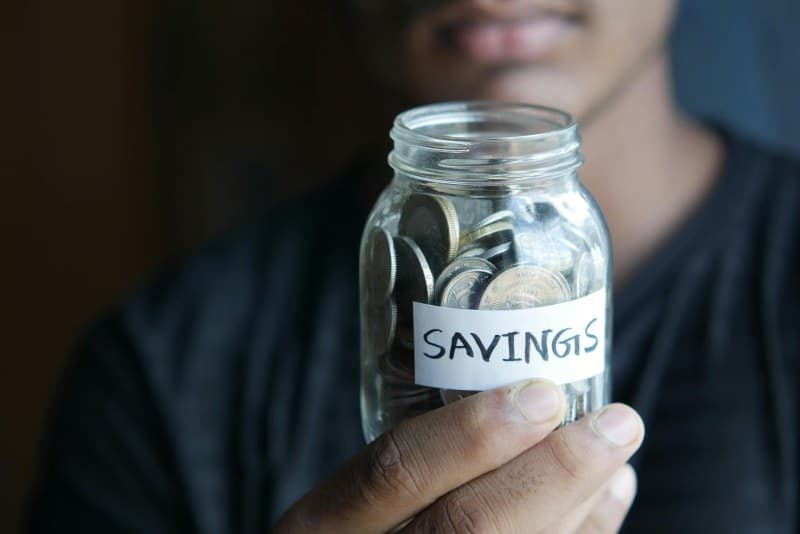
Fix: Automate it. Set up a monthly transfer from your checking to a savings account—even $50 a month adds up to $600 a year. You won’t miss what you don’t see.
3. Ignoring Small Daily Expenses
A $3 snack here, a $5 drink there—they seem trivial. But let’s do the math: $3 a day for snacks is $1,095 a year. That’s money that could go to an emergency fund or a vacation.
Fix: Track your small expenses for one week. Use a notebook or app to see where the money goes. You might be shocked at how much you spend on things you don’t need.
4. Keeping Savings in a Checking Account
Storing savings in your checking account is convenient, but it’s a bad idea. You’re tempted to spend it (hello, impulse buys), and it earns almost no interest—so your money loses value over time due to inflation.
Fix: Move your savings to a high-yield savings account (HYSA). HYSAs offer higher interest rates (often 4-5% APY) and keep your savings separate from your spending money.
5. Setting Unrealistic Savings Goals
‘I want to save $10,000 in a year’ is a great goal—if you can afford it. But if your income is $3,000 a month, saving that much would mean cutting out most expenses, which is unsustainable. When you miss the goal, you’re likely to give up.
Fix: Break big goals into small, achievable steps. Start with a $1,000 emergency fund, then move to $5,000. Celebrate each small win—this keeps you motivated.
Quick Comparison: Bad Habits vs. Smart Fixes
Here’s a side-by-side look at the habits and their solutions:
| Habit | Why It Backfires | Fix 💡 |
|---|---|---|
| Cutting all fun spending | Deprivation leads to impulsive splurges. | Allocate 5-10% to a fun fund. |
| Saving only when you have extra | Lack of consistency slows growth. | Automate monthly transfers. |
| Ignoring small daily expenses | Small costs add up to thousands annually. | Track expenses for one week. |
| Keeping savings in checking | Temptation to spend + no interest. | Use a high-yield savings account. |
| Unrealistic goals | Missing goals leads to frustration. | Break goals into small steps. |
Classic Wisdom to Remember
“Beware of little expenses; a small leak will sink a great ship.” — Benjamin Franklin
Franklin’s words ring true today. Those small, overlooked expenses (like daily snacks) can derail your savings goals. Tracking them is the first step to fixing the leak.
Quick Q&A: Common Saving Questions
Q: Is it ever okay to dip into savings for a splurge?
A: Yes—if it’s planned. If you’ve allocated money to your fun fund, using that for a weekend trip or a new gadget won’t derail your long-term goals. Just never touch your emergency savings (that’s for true surprises, like a car repair).
Final Thought
Saving doesn’t have to be painful. The key is to build sustainable habits that work for your lifestyle. Sarah learned this: After she started using a fun fund and automating her savings, she now has $3,000 in her emergency fund and still enjoys her monthly coffee dates. Small, smart changes lead to big results over time.