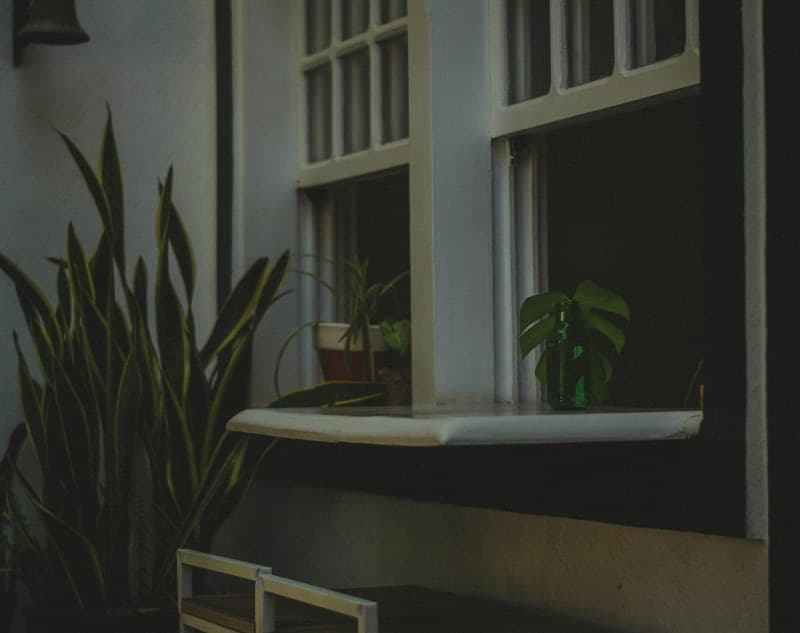
My friend Sarah was thrilled when she brought home her first pothos—she watered it every morning, placed it by the sunny window, and even talked to it. But after two weeks, the leaves turned yellow and mushy. She thought she was being the best plant parent ever, but she was making one of the most common beginner mistakes: overwatering. If you’ve ever struggled to keep a houseplant alive, you’re not alone. Let’s break down the top 5 mistakes and how to fix them.
1. Overwatering: The #1 Killer of Houseplants
Most plants die from too much water, not too little. Roots need oxygen to breathe—soggy soil suffocates them, leading to root rot. Sarah’s pothos was a victim of this. Quick fix: Stick your finger 1-2 inches into the soil. If it’s dry, water; if it’s damp, wait a few days. Pro tip: Use a moisture meter (cheap and easy to find) to take the guesswork out.
2. Wrong Light: Matching Plants to Their Sun Needs
Putting a low-light plant like a snake plant in direct sunlight will burn its leaves. Conversely, a succulent in a dark corner will stretch and lose its shape. Quick fix: Research your plant’s light requirements. Snake plants and ZZ plants love low light; succulents and cacti need bright, direct sun. Pro tip: Rotate your plants every week to ensure all sides get equal light.
3. No Drainage: Trapping Water in the Pot
A pot without drainage holes is a death sentence for most plants. Water builds up at the bottom, causing root rot. Quick fix: Drill holes in the bottom of your pot (use a ceramic drill bit for clay pots) or add a layer of pebbles at the bottom to catch excess water. Pro tip: Use a saucer under the pot to catch drips, but empty it after watering.
4. Dusting Leaves: A Forgotten Step
Dust on leaves blocks sunlight, preventing photosynthesis. Your plant can’t make food if its leaves are dirty! Quick fix: Wipe leaves with a damp cloth once a month. For fuzzy leaves (like African violets), use a soft brush to avoid damaging them. Pro tip: Mist your plants occasionally to keep dust at bay and increase humidity.
5. Wrong Soil: Using Garden Soil Indoors
Garden soil is too heavy and dense for indoor plants—it doesn’t drain well and can harbor pests. Quick fix: Use a high-quality potting mix designed for indoor plants. For succulents, add perlite or sand to improve drainage. Pro tip: Replace the top inch of soil every year to refresh nutrients.
Mistake vs Fix vs Pro Tip: A Quick Reference
Here’s a handy table to keep track of what to do (and what not to do):
| Mistake | Quick Fix | Pro Tip |
|---|---|---|
| Overwatering | Check soil moisture with finger | Use a moisture meter |
| Wrong Light | Match plant to light conditions | Rotate plants weekly |
| No Drainage | Drill holes or add pebbles | Empty saucer after watering |
| Dirty Leaves | Wipe with damp cloth | Mist occasionally |
| Wrong Soil | Use indoor potting mix | Refresh top soil yearly |
A Classic Quote to Keep You Going
“The best time to plant a tree was 20 years ago. The second best time is now.” — Chinese Proverb
This quote applies to houseplants too. Even if you’ve killed a few plants in the past, it’s never too late to try again. Every mistake is a learning opportunity.
FAQ: Common Question for Beginners
Q: I have a busy schedule—are there any low-maintenance plants I can try?
A: Absolutely! Snake plants, ZZ plants, and pothos are perfect for busy people. They need water only every 2-3 weeks, tolerate low light, and are hard to kill. Give one of these a try—you’ll be surprised how easy it is.
Remember, being a good plant parent isn’t about being perfect. It’s about observing your plants and adjusting your care as needed. With a little patience and these tips, your houseplants will thrive. Happy planting! 🌿